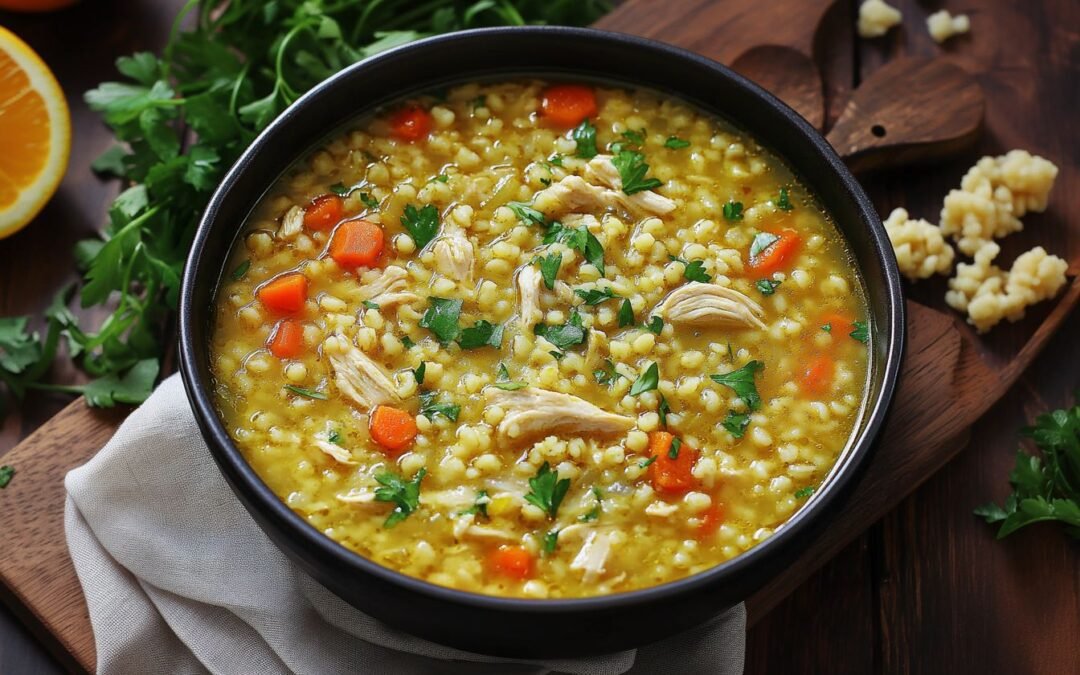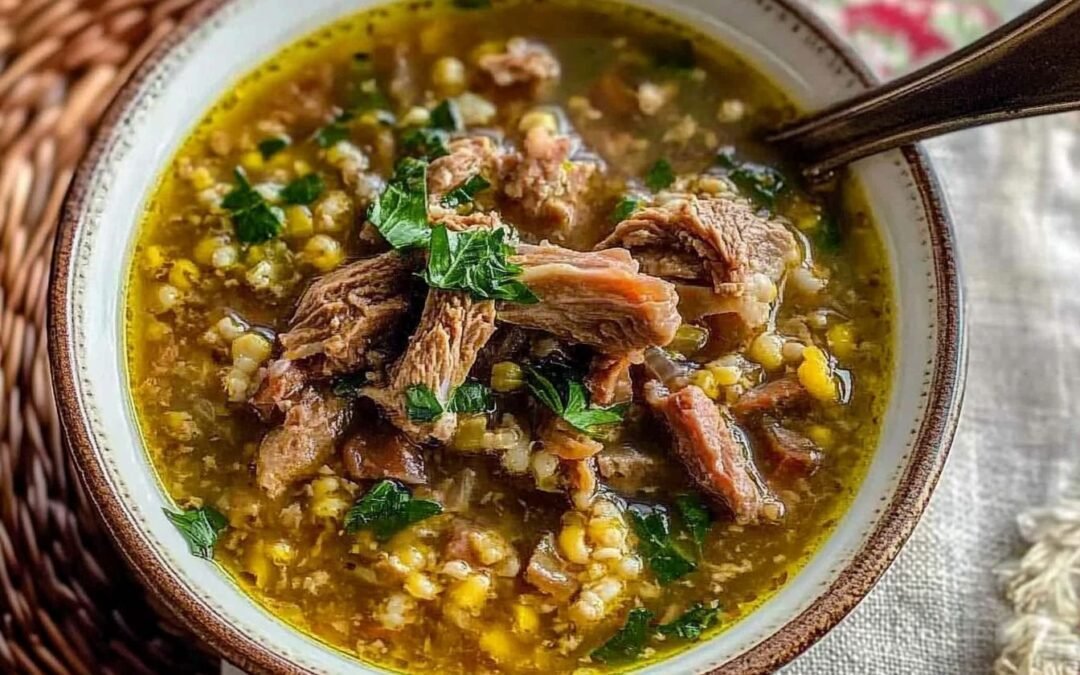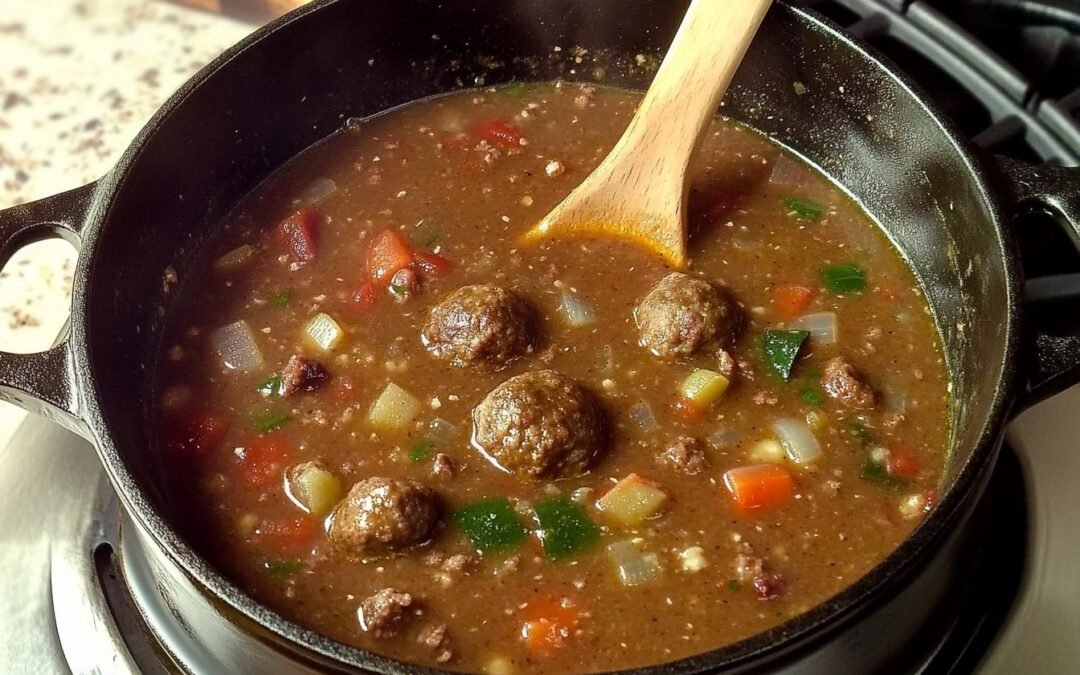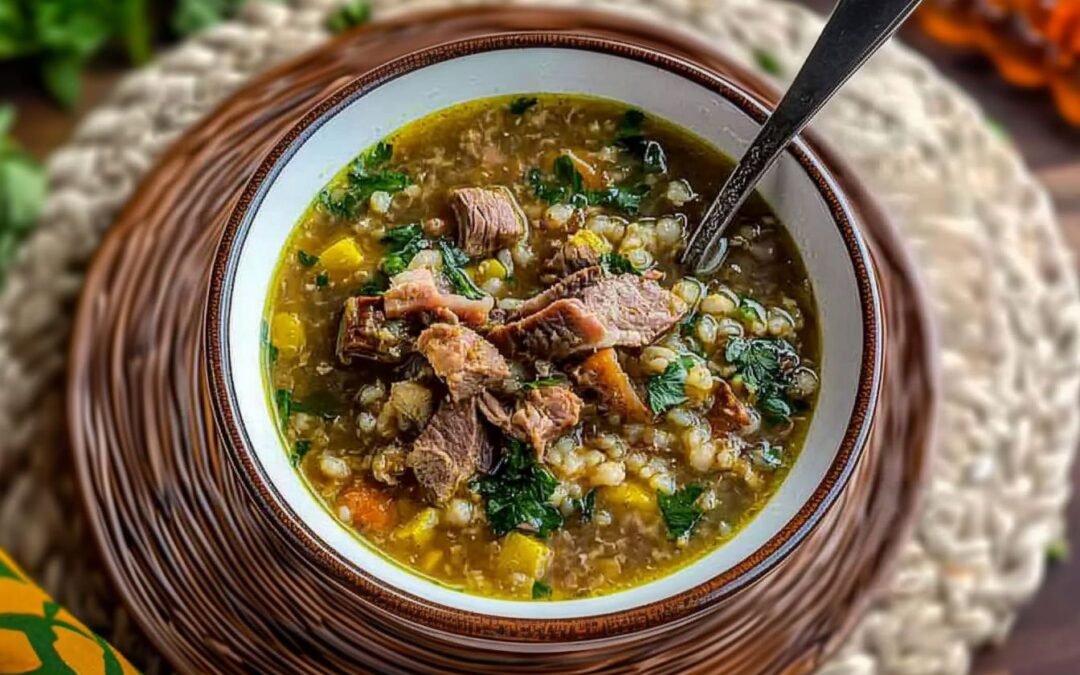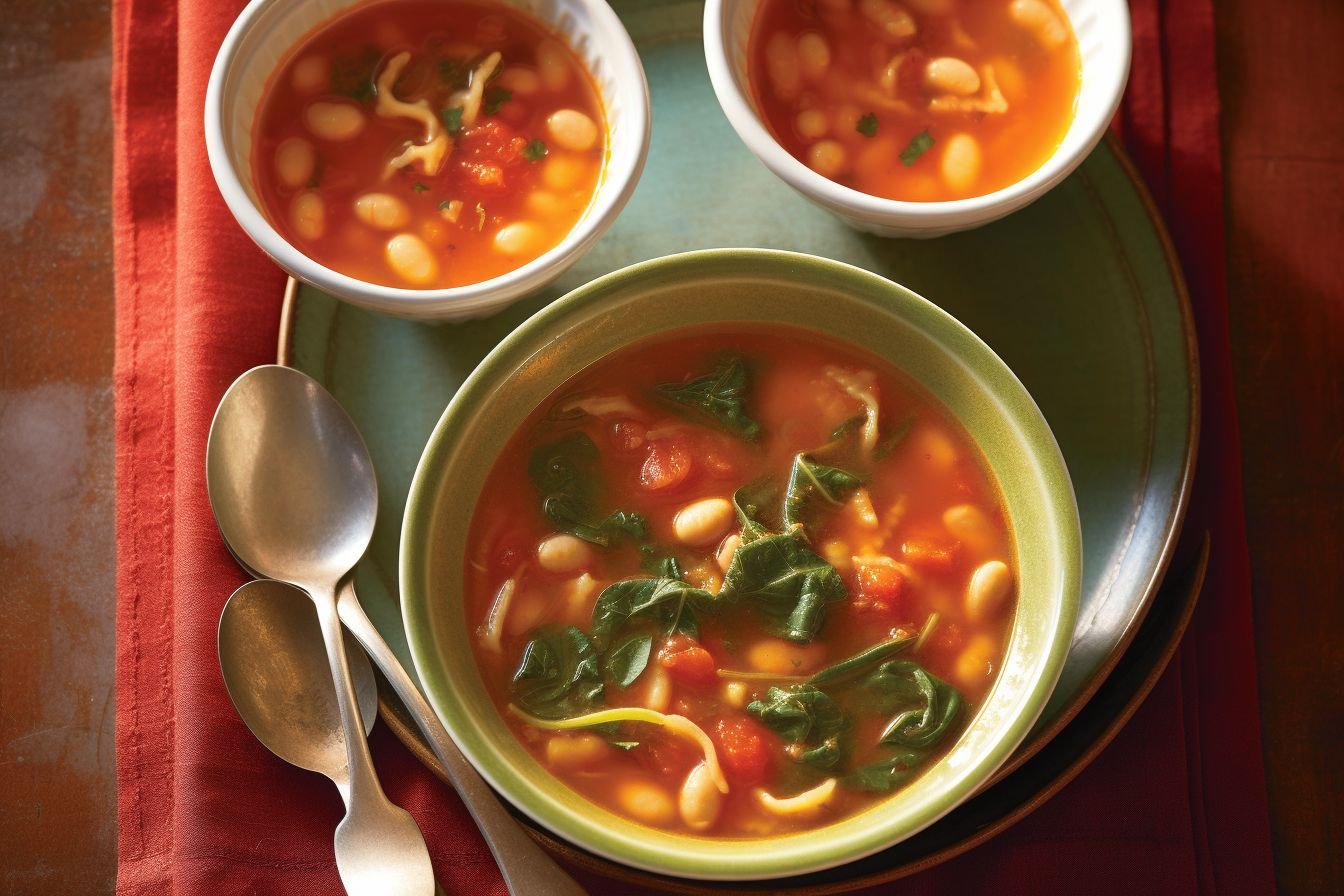
Join me on a culinary journey to the heart of Tunisian cuisine with this delicious and comforting Tunisian vegetable and bean soup recipe. Additionally, you will learn how to create this traditional dish and discover the power of food to bring people together and create a sense of community. Let’s get cooking!
It was a regular Thursday evening, and I was craving something hearty and warm to fill my stomach. Consequently, I decided to go to a Middle Eastern restaurant in San Diego, hoping to discover some new flavors and cuisines. As I entered the restaurant, I was greeted with a warm smile by an old man who seemed to be the chef and owner of the restaurant.
I sat down and browsed through the menu, looking for something to suit my mood. As I was deciding, the old man came to my table and recommended a dish he said was his favorite – Tunisian vegetable and bean soup. The soup arrived in a large bowl, steaming hot and smelling heavenly. As I took my first spoonful, I could taste the richness and complexity of the flavors. It was a perfect combination of vegetables, beans, and spices. Additionally, it was hearty and comforting, the kind of food that warms your soul on a chilly evening.
While I was enjoying my soup when suddenly, I heard a loud screeching noise from outside. I got up and went to the window, only to see a car crash had occurred right in front of the restaurant. Furthermore, people were rushing to the scene, and sirens filled the air.
After some time, the commotion outside died down, and the old man returned to the restaurant. As we talked, I couldn’t resist asking him if he could share the recipe for the soup. To my surprise, he agreed, and we spent the next few minutes discussing the ingredients and the cooking process. Moreover, he even gave me some tips and tricks to make it taste better.
Tunisian vegetable and bean soup features a delightful blend of ingredients. It includes white navy beans and garbanzo beans with their liquid, garlic, olive oil, diced onions, and vegetable broth. In addition, diced celery, Swiss chard leaves, tomato paste, harissa or homemade chili paste, angel hair pasta, salt and pepper to taste, and chopped parsley for garnish.
When it comes to serving this soup, there are several delightful accompaniments that can complement its flavors and make it a complete meal. Here are some suggestions:
Crusty Bread: Serve warm slices of crusty bread on the side to soak up the flavorful broth and add a satisfying texture to each spoonful.
Yogurt Sauce: Prepare a tangy yogurt sauce by mixing plain Greek yogurt with a squeeze of lemon juice, chopped fresh mint, and a pinch of salt. Drizzle it over the soup to add a cooling and creamy element.
Fresh Herbs: Sprinkle some freshly chopped herbs like parsley, cilantro, or mint on top of the soup just before serving. They add a burst of freshness and vibrant color.
Harissa Oil: Create a spicy kick by drizzling homemade harissa oil over the soup. Mix harissa paste with olive oil and let it infuse for a while. Use it sparingly according to your preferred level of heat.
Sliced Lemon Wedges: Place a few lemon wedges on the side to allow diners to squeeze a touch of citrus over their soup, enhancing the flavors and providing a zesty twist.
Olives and Pickles: Serve a small dish of briny olives and tangy pickles as a side accompaniment. The combination of their contrasting flavors adds a delightful contrast to the soup.
Grated Parmesan Cheese: For those who enjoy a cheesy touch, offer grated Parmesan cheese as a topping option. It melts into the hot soup, adding a rich and savory dimension.
Here is how I create this Tunisian soup at home.
Ingredients:
- 1/2 can of white navy beans with their liquid
- 1/2 can of garbanzo beans with their liquid – For both types of beans, use organic beans with no added salt.
- 3 cloves of garlic, peeled and chopped
- 2-3 tablespoons of olive oil
- 1 medium onion, diced
- 4 cups of vegetable broth
- 1 celery stalk, diced
- 3-4 large Swiss chard leaves, remove the large stems, and cut them into strips
- 1/3 cup (about 3 ounces) of tomato paste
- 1 – 2 tablespoons of harissa, depending on your heat tolerance (you can use homemade chili paste instead)
- Roughly 2-inch pieces of angel hair pasta, totaling around 1 1/2 to 2 ounces
- Chopped parsley for garnish
- Salt and pepper to taste
How to create Tunisian vegetable and bean soup?
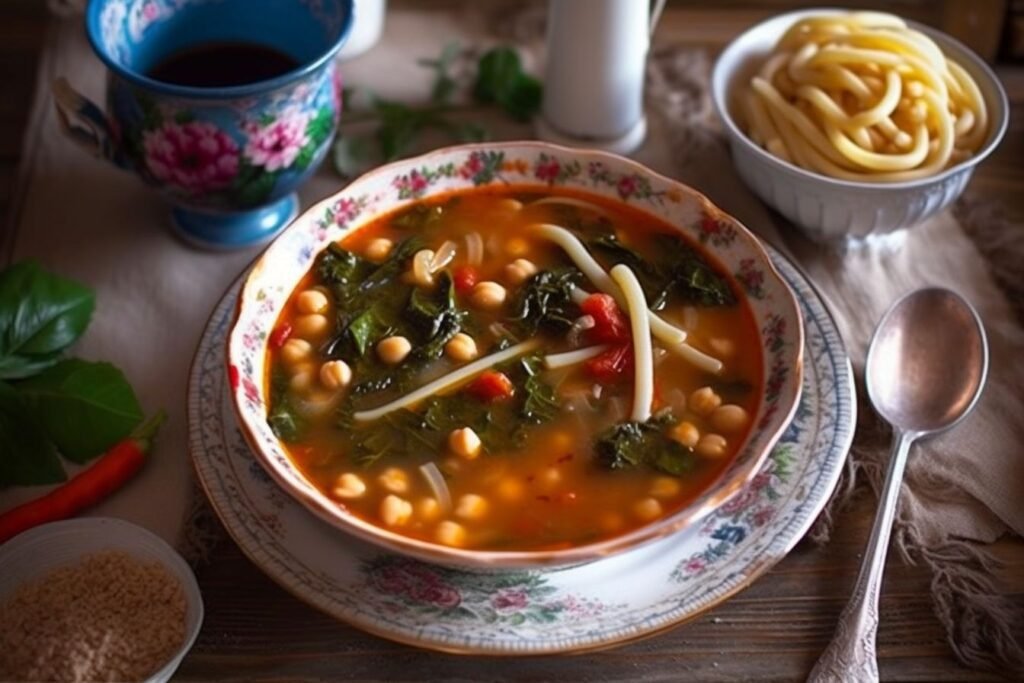
- In a pot over medium-high heat, warm the olive oil, then toss in the celery, onion, and garlic.
- Add salt and pepper to taste, then cook for 4-6 minutes, occasionally stirring, until the celery is crisp-tender and the onions start to brown on the edges.
- If the vegetables start to brown too quickly, reduce the temperature so the garlic and onions don’t become caramelized.
- Cook the tomato paste over medium-high heat, occasionally stirring, for 2-3 minutes.
- Bring the broth and beans, including the liquid from the beans to a boil. Once boiling, reduce heat and let simmer for approximately six minutes.
- Simmer the pasta and Swiss Chard for an additional 10 minutes.
- Shut down the stove and mix in the harissa.
- If you desire more flavor, consider adding additional seasoning.
- Scoop the contents of the pot into individual bowls and top with either chopped parsley or grated Parmigiano-Reggiano for a delicious finishing touch.
Notes:
- This soup is a delicious and hearty dish that can easily feed a crowd. To make a larger quantity, double the recipe and utilize the entire can of both garbanzo beans and white beans. The beans add a creamy texture to the soup, combining vegetables, herbs, and spices to create a rich and flavorful broth.
- Harissa is a spicy chili paste that is commonly used in Tunisian cuisine. While it can be found in specialty stores, it is also easy to make at home using simple ingredients like dried chilies, garlic, and olive oil. If you don’t have harissa on hand, you can also use other types of chili paste or sauces, like sambal oelek or homemade Chinese chili paste. These substitutes will add a similar level of heat and complexity to the soup and can be adjusted to your personal taste preferences.
I hope this Tunisian vegetable and bean soup recipe and my experience in the Middle Eastern restaurant in San Diego have inspired you to explore new flavors and cuisines and appreciate the power of food to bring people together. Remember, food is not just about nourishing our bodies; it’s also about connecting us to our cultures and communities. So, let’s continue to cook and share delicious meals with our loved ones and build a stronger sense of togetherness. Happy cooking!