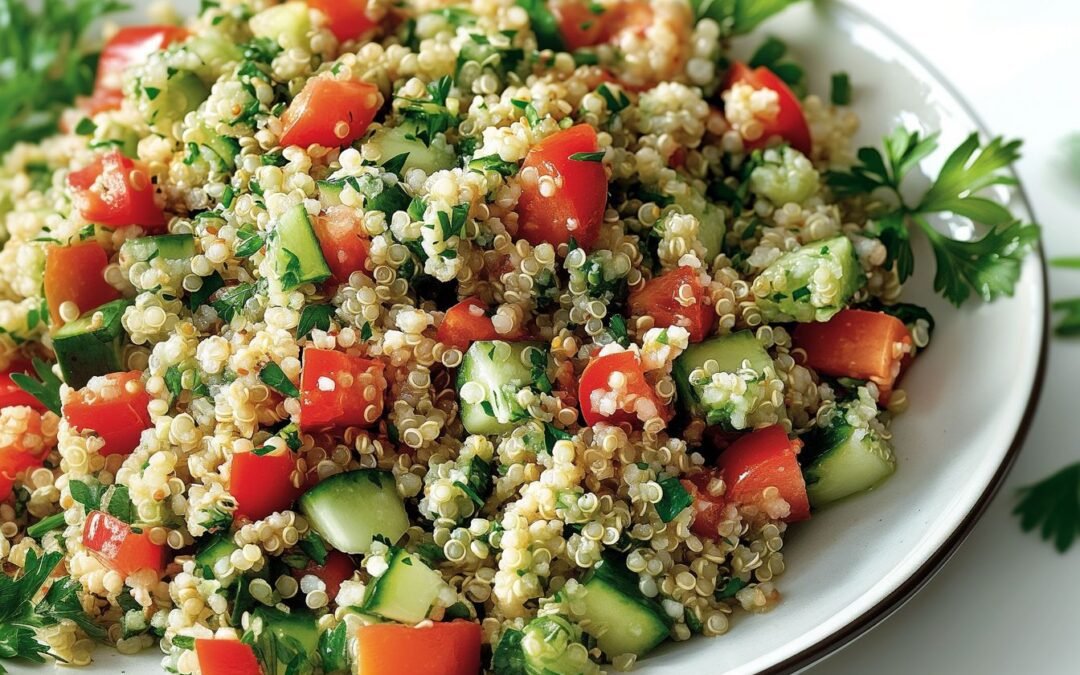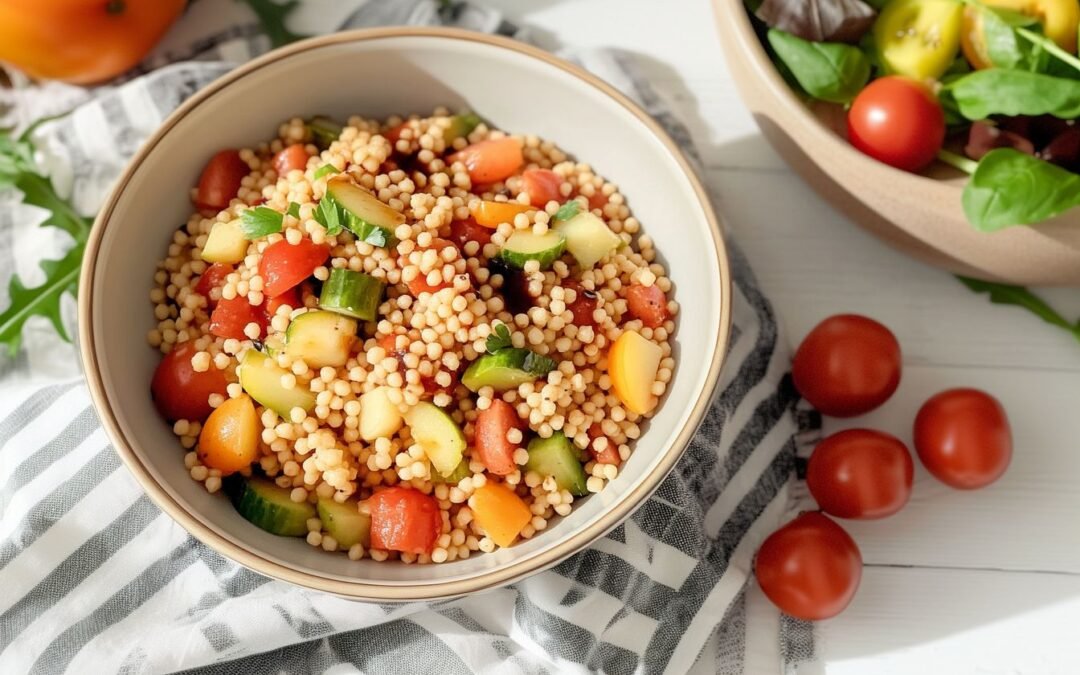
Looking for a refreshing and flavorful salad that’s easy to prepare and bursting with Middle Eastern flavors? Look no further than the Omani salad, inspired by the Arabic salad and featuring a unique twist with the addition of preserved lemons. This simple yet delicious dish is perfect as a side dish or light lunch, and its fresh ingredients and tangy flavors will surely delight your taste buds. Read on for the recipe and learn more about the Omani salad and food’s power to unite people!
It was a beautiful day in San Antonio, and my spouse and I were exploring the city, looking for new experiences and trying new foods. We stumbled upon a Middle Eastern restaurant and decided to try it. The warm, inviting aromas of spices and herbs greeted us as we entered.
We took our seats at a cozy table by the window, and soon, our server arrived with a menu. As we perused the menu, we noticed the Omani salad listed as one of the appetizers. We had never tried it before and decided to order it.
A few moments later, an old Middle Eastern woman emerged from the kitchen with our Omani salad. She placed it on the table with a smile, and we thanked her. We took our first bite and the flavors simply blew us away. The combination of fresh herbs, juicy tomatoes, and tangy lemon juice was incredible.
While enjoying our salad, one of the servers accidentally knocked over a nearby table. Plates and glasses shattered on the ground, leaving the diners shocked. But the old woman, who had just served us our salad, sprang into action. She rushed to the scene and began to help clean up the mess.
Her kindness and willingness to help impressed us, even though she wasn’t directly responsible for the accident. It was a small gesture, but it showed us the hospitality and generosity of the Middle Eastern people.
After the commotion settled down, we continued to enjoy our meal, and I couldn’t help but wonder about the recipe for the Omani salad. It was so delicious that I wanted to try making it at home.
As we finished our meal, I asked our server if the restaurant owner would share the recipe. At first, she seemed hesitant and said that she didn’t usually share recipes with customers. But I was persistent, and I explained how much I loved the salad and how it reminded me of my travels in the Middle East.
Finally, after much convincing, the owner agreed to give me the recipe. I was extremely happy! I thanked her profusely for her generosity and hospitality.
The rest of the day, I couldn’t stop thinking about the Omani salad and the kind woman who had served it to us. I couldn’t wait to return home and try making it for myself.
As I reflect on that day, I realize that food has the power to bring people together and create meaningful connections. Even though we were strangers in a foreign city, the Omani salad brought us closer to the culture and people of the Middle East.
My experience at the Middle Eastern restaurant in San Antonio was unforgettable. From the delicious Omani salad to the hospitality of the old woman who served it to us, every moment was filled with warmth and kindness. And, of course, I will always treasure the recipe for the Omani salad, which I now make regularly at home.
Here’s how I create the Omani salad at home.
Ingredients:
- Thinly slice 4 Persian cucumbers
- Halved 1½ cups of assorted cherry tomatoes
- Finely chopped ¼ cup of red onion
- Coarsely chopped 3 tablespoons of fresh parsley and 1 tablespoon of fresh mint
- 2 teaspoons of minced preserved lemon to the mix
- For the dressing: 1 tablespoon of fresh lemon juice and ¼ teaspoon of kosher salt
- 2 tablespoons of extra-virgin olive oil
How to create the Omani salad?
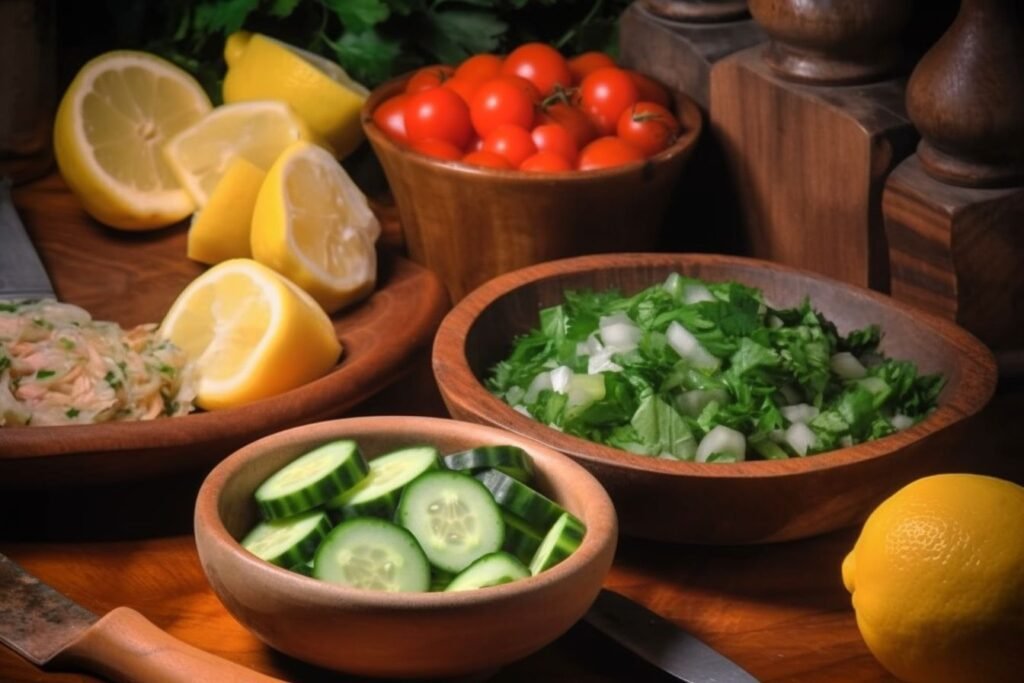
- In a medium bowl, combine thinly sliced Persian cucumbers, finely chopped red onion, halved assorted cherry tomatoes, coarsely chopped fresh parsley and mint, minced preserved lemon, and a pinch of kosher salt. Mix all the ingredients until they are evenly combined.
- Mix all the ingredients until they are evenly combined.
- Allow the mixture to sit for approximately an hour to blend the flavors. This step is important as it allows the vegetables and herbs to absorb the flavors of the lemon juice and salt.
- Once the hour has passed, add the oil to the mixture and stir well to ensure everything is evenly coated. This step adds richness and helps to balance the acidity of the lemon juice.
- Finally, sprinkle the pepper to taste and mix again. Adjust the seasoning if necessary.
- Serve the salad immediately or chill in the refrigerator until ready to serve. This salad is best eaten on the day it is made, as the vegetables can become soggy over time.
The Omani salad is refreshing and delicious and draws inspiration from the Arabic salad. It features many of the same ingredients, such as cucumbers, tomatoes, onions, parsley, and mint. These fresh and flavorful ingredients create a harmonious balance of flavors and textures that make it a great side dish or a light lunch.
The inclusion of preserved lemons sets the Omani salad apart from its Arabic counterpart. This ingredient adds a unique and tangy flavor to the dish, making it stand out. Preserved lemons are a popular ingredient in Middle Eastern and North African cuisine, and they’re made by curing lemons in salt and lemon juice. The process gives the lemons a salty and sour flavor that is intense and complex, which works wonderfully with the other ingredients in the salad.
The preserved lemons also give the Omani salad a distinctive visual appeal. The small pieces of yellow lemon skin are visible in the salad and add a pop of color, making the dish even more appealing.
The Omani salad is a great addition to any meal. Its simple yet flavorful combination of ingredients is easy to prepare, healthy, and refreshing. Whether you’re looking for a light lunch or a side dish to complement your main course, this salad will surely delight your taste buds and satisfy you. Give it a try and experience the unique and delicious flavor of the Omani salad for yourself!