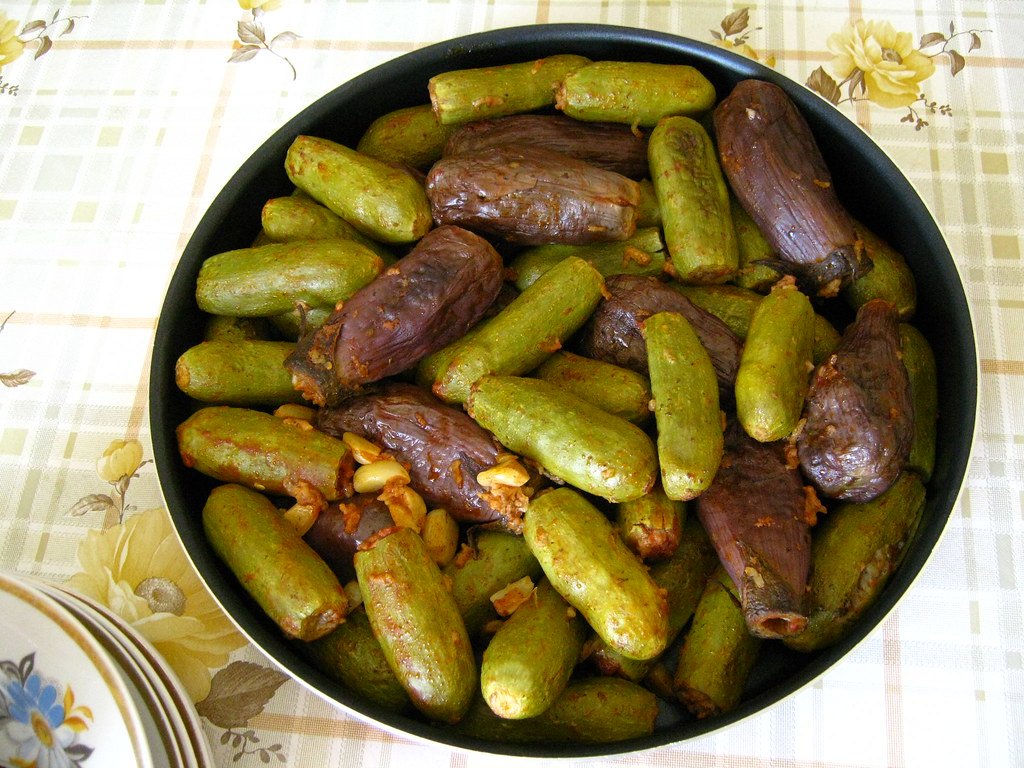
This post will explore the art of creating a Lebanese kousa mahshi stuffed zucchini dish. From tender zucchinis filled with a medley of aromatic rice, tomatoes, onions, herbs, and spices, to the symphony of flavors and textures that will dance on your palate, this recipe will guide you step-by-step to master the secrets of this beloved Lebanese delight. Each bite will transport you to the vibrant streets of Lebanon, savoring the rich heritage and exquisite flavors that make Lebanese cuisine so captivating. So, get ready to unleash your culinary prowess and indulge in the irresistible allure of Lebanese kousa mahshi!
In the vibrant city of Indianapolis, my parents and I stepped into a Middle Eastern restaurant, lured by the promise of an authentic culinary experience. The aroma of exotic spices filled the air as the restaurant staff warmly greeted us and led us to a cozy table.
As we perused the menu, our eyes fell upon a dish that intrigued us—Lebanese kousa mahshi. Consequently, we eagerly placed our order and awaited its arrival. Soon enough, a waiter appeared, carefully balancing a plate adorned with vibrant green zucchinis stuffed to perfection. The sight alone made our mouths water in anticipation. With each bite, we were transported to the enchanting flavors of Lebanon. In other words, the zucchinis were tender, and the stuffing – oh, the stuffing – was a compelling blend of long-grain rice, tomatoes, onions, parsley, mint, and fragrant spices.
Meanwhile, just as we were fully immersed in this culinary delight, an unexpected incident unfolded in the restaurant. A customer, caught up in animated conversation, accidentally knocked a plate off the table, shattering it into pieces. As a result, the room was momentarily hushed as if time stood still. Amidst the delicate porcelain shards, the restaurant owner, a wise and kind-hearted Lebanese woman, emerged from the kitchen. She swiftly tended to the mishap, ensuring the safety of everyone involved.
However, compelled by a desire to carry a piece of this enchanting evening with me, I approached the restaurant owner. With hopeful eyes, I requested the recipe for the Lebanese kousa mahshi. As a result, she regarded me momentarily. Meanwhile, a mix of curiosity and contemplation played across her face. Finally, the owner smiled and agreed to share the cherished recipe to my astonishment and joy. With gratitude filling my heart, I received the list of ingredients, each one representing a key component of this remarkable dish.
Lebanese kousa mahshi is crafted with medium Lebanese zucchinis, tomato paste, salt, cracked black pepper. Additionally, for the stuffing you will need long-grain rice, tomatoes, onions, parsley, mint, pine nuts, Lebanese 7 Spice (or All Spice), salt, cracked black pepper, and the optional additions of dairy-free butter or olive oil. These simple yet essential ingredients form the dish’s foundation, infusing it with the distinct flavors of Lebanon.
Lebanese kousa mahshi, with its delightful combination of flavors and textures, can be beautifully complemented by various dishes. Here are some suggestions for what you can serve alongside this delectable stuffed zucchini. For example:
Tzatziki sauce: This tangy and refreshing yogurt-based sauce, made with cucumbers, garlic, and herbs, is the perfect accompaniment to Lebanese kousa mahshi. Its creamy and cool nature adds a delightful contrast to the warm and savory zucchini dish.
Pita bread: Soft, fluffy, and slightly toasted pita bread is essential for scooping up the flavorful stuffing and savoring every bite of the Lebanese kousa mahshi. So, tear off a piece, dip it in the zucchini juices, and enjoy the harmony of flavors.
Tabbouleh: A combination of bulgur wheat, parsley, mint, tomatoes, and onions makes up a traditional Middle Eastern salad. This dish is dressed with olive oil and lemon juice for extra flavor. Therefore, its bright and vibrant flavors complement the stuffed zucchini beautifully, adding a fresh and herbaceous element to the meal.
Fattoush: A refreshing salad featuring crisp lettuce, cucumbers, tomatoes, radishes, and toasted pita chips. Dressed with a zesty sumac-infused vinaigrette, fattoush adds a delightful crunch and tanginess that pairs well with the flavors of Lebanese kousa mahshi.
Hummus: Creamy and smooth, hummus is a staple in Middle Eastern cuisine. Made from tahini, garlic, lemon juice, chickpeas, and olive oil, it provides a luscious and nutty element to the meal. Spread some hummus on pita bread, top it with a bite of stuffed zucchini, and revel in the harmonious blend of flavors.
Baba ganoush: A smoky and velvety dip made from roasted eggplants, tahini, lemon juice, garlic, and olive oil. Baba Ganoush adds richness and depth to the meal, and its earthy flavors complement the zucchini stuffing beautifully.
Now, dear reader, it is important to note that while these suggestions enhance the dining experience, they are not the limits of your creativity. Therefore, feel free to experiment and add your personal touch, for the beauty of cooking lies in exploring and adapting flavors.
Here is how I created the Lebanese kousa mahshi at home:
Ingredients:
- 12 medium Lebanese zucchinis (white squash/Mexican zucchini)
- ¾ cup tomato paste
- ¾ tablespoon salt (or to taste)
- 1 teaspoon cracked black pepper
- 7 cups water (more or less may be needed)
Zucchini Stuffing Ingredients:
- 1¼ cups long-grain rice
- 1 medium tomato, finely diced
- 1 medium onion, finely diced
- ¼ cup parsley, finely chopped
- ¼ cup mint, finely chopped
- ½ cup pine nuts
- ¾ tablespoon Lebanese 7 spice (substitute all spice)
- 2 teaspoons of salt
- ½ teaspoon of cracked black pepper
- 1 tablespoon of dairy-free butter
- 1 tablespoon of olive oil
How to make the Lebanese kousa mahshi stuffed zucchini?
- First, begin by washing and drying the zucchinis. Using a paring knife, carefully slice off the ends, taking off as little as possible.
- Next, manually or with an electric tool, use a corer to hollow out each zucchini. Set them aside.
- Add olive oil or dairy-free butter in a non-stick frypan or skillet and toast the pine nuts until they turn golden. Remember to remove them from the pan immediately to prevent burning. This process happens quickly.
- In a large mixing bowl, combine the long-grain rice, finely diced tomato, finely diced onion, finely chopped parsley, finely chopped mint, and toasted pine nuts. In addition, add the Lebanese 7 spice (or substitute All Spice), salt, and cracked black pepper. Mix all the ingredients thoroughly.
- Using your hands, place small amounts of the stuffing mixture inside each hollowed-out zucchini. Tap the bottom of each zucchini to help the filling settle into the cavity. Leave about ½ inch (1.5cm) from the opening to allow the rice to expand while cooking. Likewise, avoid compacting the rice to ensure even cooking. Wipe down the exterior of each zucchini to remove any excess filling.
- Dissolve the tomato paste in water and season with salt and cracked black pepper to create a broth. Gently immerse the stuffed zucchinis in a generously sized pot, ensuring they are completely covered by the flavorful tomato paste broth. Place a plate on the zucchinis to submerge them, then cover the pot.
- Bring the pot to a boil over medium-high heat and then reduce the heat to low. Simmer the zucchinis in the broth for approximately 35-40 minutes until they become tender.
- Finally, serve the Lebanese Stuffed Zucchini warm, allowing the flavors to shine through.
As you savor each bite of the exquisite Lebanese kousa mahshi stuffed zucchini, let its flavors transport you to the vibrant streets of Lebanon, where culinary traditions intertwine with a rich heritage. Moreover, with its tender zucchinis and aromatic stuffing, this dish encapsulates the essence of Lebanese cuisine. Furthermore, it is a testament to the warmth and generosity that permeates Middle Eastern culture, inviting you to embrace the beauty of culinary exploration. So gather your ingredients, embark on this gastronomic journey, and let the allure of Lebanese kousa mahshi ignite your passion for cooking. May your kitchen be filled with enticing aromas and your taste buds be delighted with each mouthwatering morsel. Indulge in this remarkable dish and share the joy of Lebanese cuisine with those around you. Bon appétit!


