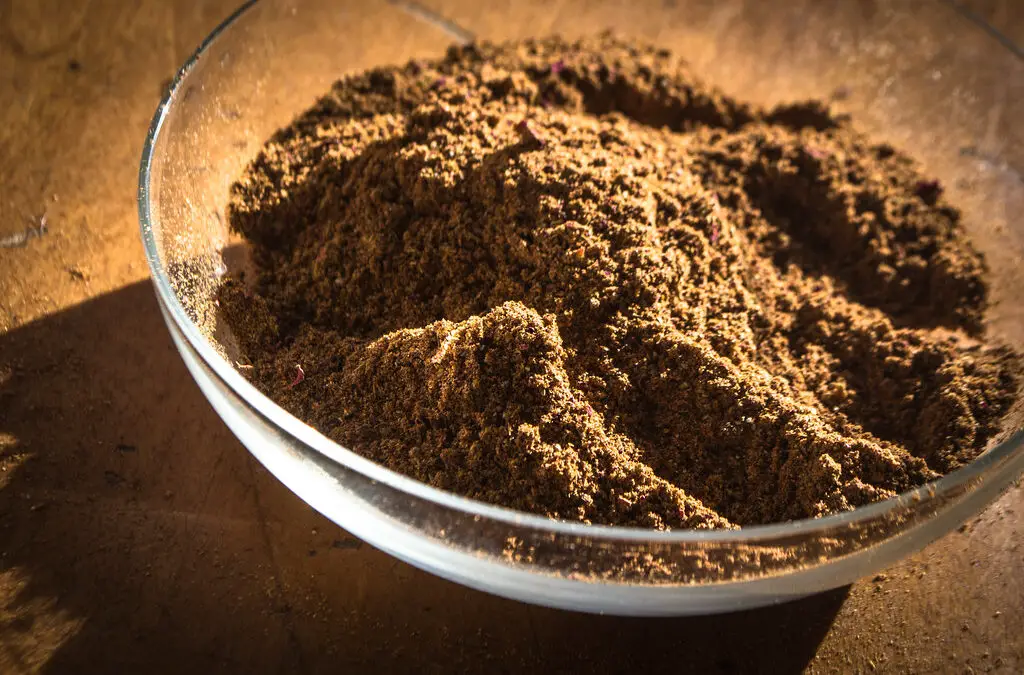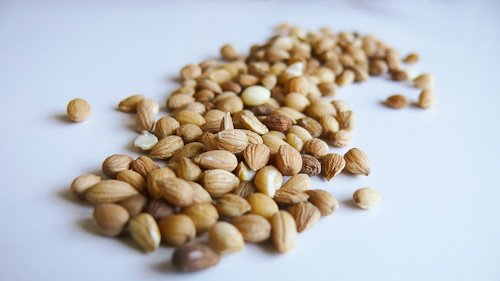
Mahlab spice is a unique ingredient commonly used in Middle Eastern cuisine. It is derived from the seeds of the St. Lucie cherry tree, which is native to regions of the Mediterranean and the Middle East. The spice has a sweet, floral aroma and a slightly bitter taste, making it a popular addition to a variety of dishes.
Mahlab is a versatile ingredient that can be used in both sweet and savory dishes. In Middle Eastern cuisine, it is commonly used in baked goods such as breads, pastries, and cookies. It is also used in meat dishes, rice pilafs, and stews. The spice is often paired with other ingredients such as cinnamon, nutmeg, and cardamom to create complex and flavorful dishes.
Origins of Mahlab Spice
Mahlab is a unique and aromatic spice that is commonly used in Middle Eastern cuisine. This spice is made from the seeds of the Prunus mahaleb tree, which is native to the Mediterranean region. The tree produces small, cherry-like fruit, which contains a single seed that is used to make Mahlab.
The use of Mahlab dates back to ancient times, with evidence of its use found in the ruins of Pompeii. The spice was also used by the ancient Egyptians, Greeks, and Romans, who prized its sweet and nutty flavor.
Today, Mahlab is still widely used in Middle Eastern cuisine, particularly in sweet dishes such as pastries and desserts. It is also used in some savory dishes, such as meat stews and rice dishes.
Mahlab is a versatile ingredient that can add a unique flavor and aroma to a wide range of dishes. It is often used in combination with other spices, such as cinnamon, nutmeg, and cardamom, to create complex and delicious flavor profiles.
Overall, Mahlab is a fascinating and important ingredient in Middle Eastern cuisine, with a rich history and unique flavor profile that continues to be cherished by cooks and food lovers around the world.
Culinary Uses of Mahlab
Middle Eastern Cuisine
Mahlab, also known as mahlepi, is a popular ingredient in Middle Eastern cuisine. The spice is made from the ground pits of the cherry fruit and has a sweet, nutty flavor with hints of almond and cherry. It is commonly used in sweet and savory dishes, adding a unique depth of flavor to the dish.
In Middle Eastern cuisine, Mahlab is used in a variety of dishes, including stews, meat dishes, and rice dishes. It is often used in combination with other spices such as cinnamon, cumin, and coriander to create a complex flavor profile.
Dessert Recipes
Mahlab is a popular ingredient in many Middle Eastern dessert recipes. It is commonly used in baked goods such as cookies, cakes, and pastries. The spice adds a sweet, nutty flavor to the dessert, making it a favorite among dessert lovers.
One popular dessert recipe that uses Mahlab is the Lebanese Ma’amoul cookie. These cookies are made with a dough that is stuffed with a sweet date or nut filling and flavored with Mahlab. The cookies are then shaped into a decorative mold before being baked to perfection.
Bread Baking
Mahlab is also commonly used in bread baking. It is often added to bread dough to add a sweet, nutty flavor to the bread. The spice is particularly popular in Greek and Turkish bread recipes.
One popular bread recipe that uses Mahlab is the Greek Tsoureki bread. This sweet bread is made with a dough that is flavored with Mahlab and orange zest. The bread is then braided and baked to create a deliciously sweet and fluffy bread.
In conclusion, Mahlab is a versatile ingredient that is commonly used in Middle Eastern cuisine. Whether you are making a savory stew or a sweet dessert, Mahlab is sure to add a unique depth of flavor to your dish.
Health Benefits of Mahlab Spice
Mahlab is a popular ingredient in Middle Eastern cuisine, known for its unique flavor and aroma. However, it is not just a delicious addition to dishes, but also has several health benefits.
Rich in Nutrients
Mahlab is a good source of essential nutrients, including calcium, iron, and fiber. It also contains vitamins such as vitamin C and vitamin B6. These nutrients are important for maintaining overall health and preventing various diseases.
Anti-Inflammatory Properties
Mahlab has anti-inflammatory properties that can help reduce inflammation in the body. Chronic inflammation is linked to several diseases, including heart disease, cancer, and diabetes. By including Mahlab in your diet, you can help reduce the risk of these diseases.
Digestive Health
Mahlab is known to aid in digestion. It can help relieve symptoms of indigestion, bloating, and constipation. This is due to its high fiber content, which promotes healthy digestion and regular bowel movements.
Antioxidant Properties
Mahlab spice has antioxidant properties that can help protect the body against damage caused by free radicals. Free radicals are unstable molecules that can damage cells and contribute to aging and disease. By consuming Mahlab, you can help reduce the risk of these negative effects.
In conclusion, Mahlab is not only a delicious addition to Middle Eastern cuisine but also has several health benefits. By including it in your diet, you can improve your overall health and reduce the risk of various diseases.
How to Store Mahlab
Mahlab is a fragrant spice that is commonly used in Middle Eastern cuisine. It is made from the ground seeds of the St. Lucie cherry and has a slightly sweet and nutty flavor. Proper storage of Mahlab is essential to maintain its flavor and aroma.
Keep it Cool and Dry
To keep Mahlab fresh, it should be stored in a cool, dry place away from direct sunlight. Exposure to heat and moisture can cause the spice to lose its flavor and aroma. It is best to store Mahlab in an airtight container, such as a glass jar with a tight-fitting lid.
Avoid Contamination
Mahlab should be stored separately from other spices to avoid contamination. Mixing spices can cause cross-contamination, which can affect the flavor of the spice. It is also important to avoid using wet spoons or hands when handling Mahlab, as moisture can cause the spice to clump together and lose its flavor.
Shelf Life
Mahlab has a shelf life of about six months to a year. After this time, the spice may lose its flavor and aroma. To ensure that you are using fresh Mahlab, it is best to purchase it in small quantities and use it within a few months.
Conclusion
Proper storage of Mahlab is essential to maintain its flavor and aroma. By keeping it cool and dry, avoiding contamination, and using it within its shelf life, you can ensure that your Mahlab is fresh and flavorful.
Possible Side Effects
Mahlab is a spice that is commonly used in Middle Eastern cuisine. While it is generally safe to consume, there are some possible side effects that should be noted.
Allergic Reactions
Some people may be allergic to mahlab, which can cause a range of symptoms, including hives, itching, swelling, and difficulty breathing. If you experience any of these symptoms after consuming mahlab, you should seek medical attention immediately.
Digestive Issues
Consuming large amounts of mahlab may cause digestive issues, such as diarrhea, nausea, and stomach cramps. It is recommended that you consume mahlab in moderation to avoid these side effects.
Interactions with Medications
Mahlab may interact with certain medications, including blood thinners and anti-inflammatory drugs. If you are taking any medications, it is important to speak with your doctor before consuming mahlab.
Pregnancy and Breastfeeding
There is limited research on the effects of mahlab on pregnancy and breastfeeding. It is recommended that pregnant and breastfeeding women avoid consuming mahlab until more research is conducted.
Overall, while mahlab is generally safe to consume, it is important to be aware of these possible side effects and to consume it in moderation. If you experience any adverse reactions after consuming mahlab, you should seek medical attention immediately.
Where to Buy Mahlab
Mahlab is a popular ingredient in Middle Eastern cuisine, especially in desserts and baked goods. It is made from the seeds of the St Lucie cherry and has a unique nutty and slightly sweet flavor. If you’re looking to buy Mahlab, there are a few options available.
Specialty Grocery Stores
Many specialty grocery stores that focus on Middle Eastern cuisine will carry Mahlab. These stores can be found in larger cities and often have a wide selection of spices and ingredients from the region. Some popular stores include:
- Sahadi’s in Brooklyn, New York
- Kalustyan’s in New York, New York
- Phoenicia Specialty Foods in Houston, Texas
- Jerusalem Market in Salt Lake City, Utah
Online Retailers
If you don’t have access to a specialty grocery store, you can also purchase Mahlab online. There are many online retailers that specialize in Middle Eastern ingredients and spices. Some popular options include:
- The Spice House
- Penzeys Spices
- Amazon
When purchasing online, be sure to read reviews and check the expiration date of the spice before making a purchase.
Local Markets
If you live in an area with a large Middle Eastern community, you may be able to find Mahlab at local markets. These markets often carry a variety of ingredients and spices from the region and can be a great resource for finding unique ingredients.
When purchasing Mahlab, be sure to look for high-quality, fresh spice. It should have a strong aroma and a slightly oily texture. Store it in an airtight container in a cool, dry place to maintain its flavor and aroma.
Conclusion
Mahlab spice is an essential spice in Middle Eastern cuisine. It is commonly used in sweets, bread, and pastries to add a unique and subtle flavor. This spice is derived from the seeds of the St. Lucie cherry tree and is typically sold in ground form.
Throughout history, mahlab has been used for its medicinal properties. It has been known to aid in digestion and relieve stomach discomfort. Additionally, it contains antioxidants that may help prevent cell damage and reduce inflammation.
When using mahlab in cooking, it is important to use it sparingly as it has a very distinct flavor. Too much of this spice can overpower other flavors in a dish. It pairs well with other Middle Eastern spices such as cinnamon and cardamom.
Overall, mahlab is a versatile spice that should be a staple in any Middle Eastern kitchen. Its unique flavor and health benefits make it a valuable addition to any dish.