Awamat, also known as Lebanese doughnuts, is a popular Middle Eastern dessert that is loved by many. These small, golden balls of dough are crispy on the outside and soft on the inside, making them a perfect treat for any time of day.
To make awamat, you will need a few simple ingredients that can be found in most kitchens. You will need pastry flour, sugar, salt, active dry yeast, water, olive oil for frying, and simple syrup for topping.
Whether you are looking for a fun new dessert to try or are a fan of Middle Eastern cuisine, awamat is a must-try treat. With their crispy exterior and soft, fluffy interior, they are sure to become a new favorite in your household. So grab your ingredients and get ready to indulge in the deliciousness that is awamat!
Origins and History
The origins of awamat can be traced back to ancient Persia, where they were called zulubiya. These fried dough balls were made with flour, yeast, sugar, and water, and were a popular treat among royalty. Over time, the recipe spread throughout the Middle East and was adapted to include local ingredients and flavors.
Today, many different countries adopted this dessert, including Lebanon, Syria, Jordan, and Iraq. It is often served during special occasions, such as weddings, religious holidays, and family gatherings.
The preparation of awamat varies depending on the region, but the basic recipe remains the same. It can be enjoyed plain or with a variety of toppings, such as honey, syrup, or powdered sugar. It is a sweet and delicious treat that is perfect for any occasion.
Cultural Significance
As a popular dessert in the Middle East, awamat has a significant cultural importance in the region. In this section, I will discuss its religious festivities and regional variations.
Religious Festivities
Awamat is a staple dessert during the Ramadan season, which is a significant month in the Islamic calendar. During Ramadan, Muslims fast from dawn until dusk, and among other treats, you can find awamat at the breaking of the fast meal. Its sweet and savory taste is a perfect way to end a day of fasting and is enjoyed by people of all ages.
Regional Variations
You can find different variations of this dessert in different regions in the Middle East. In Lebanon, it is served with honey syrup, while in Jordan, it is served with sugar syrup. Not far from there, in Iraq, it is made with a combination of flour and rice flour, which gives it a unique texture. In Saudi Arabia, awamat is often served with date syrup, which complements the dessert’s sweetness.
Ingredients:
- 3 cups of pastry flour
- 1/2 tsp of sugar
- 1/4 tsp of salt
- 1 1/2 tsp of active dry yeast
- 2 1/2 cups of water
- Olive oil for frying
- Simple syrup for the topping (see below)
How to Make Awamat?
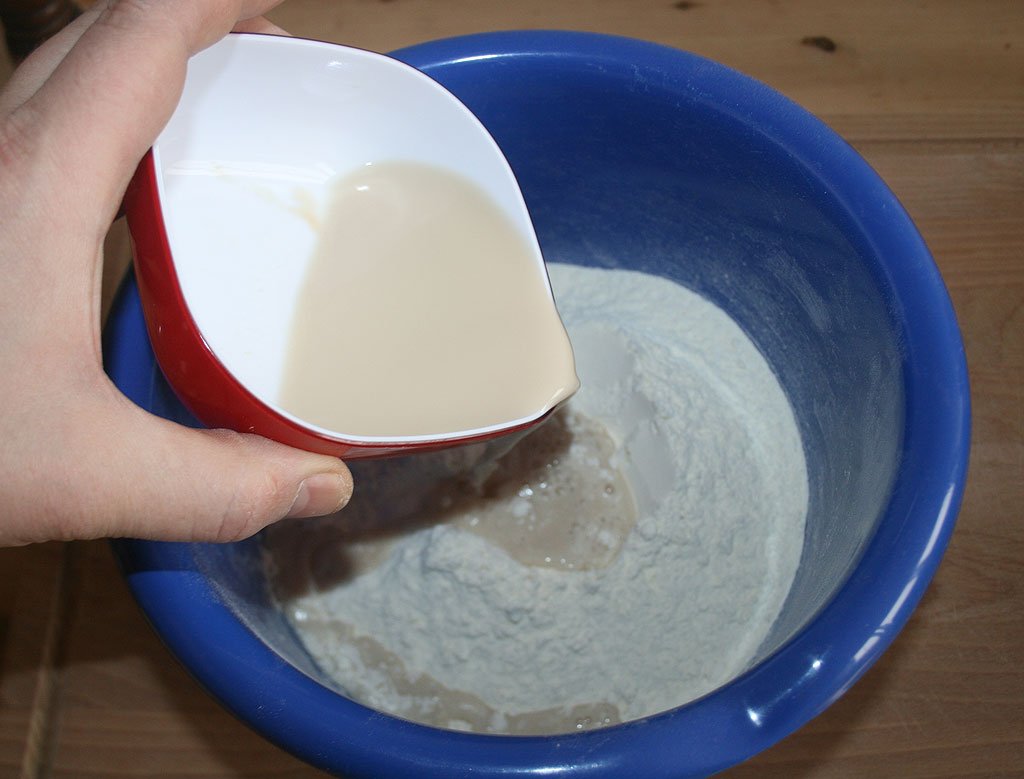
- Start by mixing pastry flour, yeast, sugar, and salt in a large bowl.
- Then, gradually pour in water while stirring until it forms a dough.
- Next, place the dough on a floured surface and knead for 5 to 7 minutes until it’s smooth, soft, and slightly sticky.
- After that, use a teaspoon to scoop the dough and shape it into balls using your hands. Arrange them on a plate when done.
- Heat olive oil in a frying pan so the dough will be completely covered. Aim for 375°F. To check, place the end of a wooden spoon in the oil; if bubbles form around it, it’s ready.
- Put a few dough balls into the oil, leaving space. When they rise and turn golden, use a slotted spoon to lift them out. Set on a paper-towel-covered plate to soak up extra oil. Allow them to cool before handling.
Making the simple syrup:
- Dissolve 2 parts sugar in 1 part boiling water and let it simmer for about 10 minutes. Place it in a bottle with a tight-fitting lid and keep it in a cool, dark place. Drizzle the syrup over the awamat and toss to coat. Serve immediately.
- Simple syrup is not just for awamat; it is also perfect for soaking cake layers or making candied fruits. Once you add flavor to the syrup, the recipe options increase greatly. From strawberry, cinnamon, and mint to florals like rose and lavender, these basic combinations make it easy to bring other flavor dimensions to any recipe.
Serving and Presentation
When it comes to serving and presentation of awamat, there are a few things to keep in mind to make sure they look and taste their best.
Firstly, it’s important to serve them warm. They are best enjoyed fresh out of the fryer, so try to time your frying so that they are ready just before serving. If you need to keep them warm for a short period, place them on a paper towel-lined plate and cover them with another paper towel to absorb any excess oil.
As for presentation, you can get creative with how you serve your awamat. One option is to serve them in a bowl or platter with a dusting of powdered sugar or cinnamon on top. Alternatively, you can serve them with a dipping sauce like honey or chocolate ganache.
When it comes to quantities, I recommend making at least 3-4 balls per person. They are small and addictive, and your guests will likely want to have more than just one or two.
Nutritional Information
I was curious about the nutritional information of this delicious dessert. After doing some research, I found that this is a sweet treat that is high in calories and sugar. However, it also contains some beneficial nutrients.
One serving (100g) contains approximately 320 calories, 27g of carbohydrates, and 18g of fat. It also contains small amounts of calcium, iron, and potassium. While it is not a significant source of these nutrients, it’s still good to know that they are present.
It’s important to note that this is a dessert that should be enjoyed in moderation due to its high calorie and sugar content. However, if you’re looking for a sweet indulgence, it can be a great option.
Home-Made vs. Store-Bought
Home-Made
Making them at home can be a fun and rewarding experience. It allows you to customize the flavor and texture to your liking. Plus, the satisfaction of making something from scratch is hard to beat.
However, it can be time-consuming and requires some skill. The dough needs to be prepared correctly, and the frying process can be tricky.
Store-Bought
Store-bought awamat is a convenient option for those who don’t have the time or inclination to make it themselves. It’s readily available at Middle Eastern grocery stores and bakeries.
The quality of the store-bought ones can vary. Some brands are too sweet or too greasy, while others are just right. It’s important to read the ingredients and nutrition information before purchasing to ensure that you’re getting a good product.
Preservation and Storage
Firstly, it’s crucial to store awamat in an airtight container to prevent them from getting stale. A plastic container with a secure lid or a sealable plastic bag both work well for storage. Make sure to remove any excess oil from the awamat before storing them to avoid sogginess.
Secondly, it’s best to store the awamat at room temperature. Avoid placing them in the fridge or freezer as this can make them hard and chewy. However, if you still need to store them for a longer period, you can freeze them for up to a month. Thaw them at room temperature before serving.
Thirdly, if you want to reheat them, it’s best to do so in the oven or toaster oven. Avoid microwaving them as this can make them tough and chewy. Preheat the oven to 350°F, place the awamat on a baking sheet, and heat for 5-7 minutes until they are crispy and golden brown.
In summary, to preserve and store awamat properly, store them in an airtight container at room temperature, remove excess oil before storing them, and reheat them in the oven or toaster oven. By following these simple steps, you can enjoy fresh and crispy awamat anytime you want.
Conclusion
As I wrap up my exploration of awamat, I am left with a sense of satisfaction and delight. These delectable little treats have a rich history and are beloved by many cultures around the world.
Throughout my research, I have discovered that there are countless variations, each with its unique twist. From savory to sweet, crispy to soft, there is a version for every taste bud.
They can be served as a snack, a dessert, or even as a breakfast item. Whether you’re enjoying them on their own or pairing them with a dipping sauce, awamat never fails to impress.
Overall, I highly recommend giving awamat a try. They are easy to make and will be a hit at any gathering. So why not whip up a batch today and see for yourself what all the fuss is about?
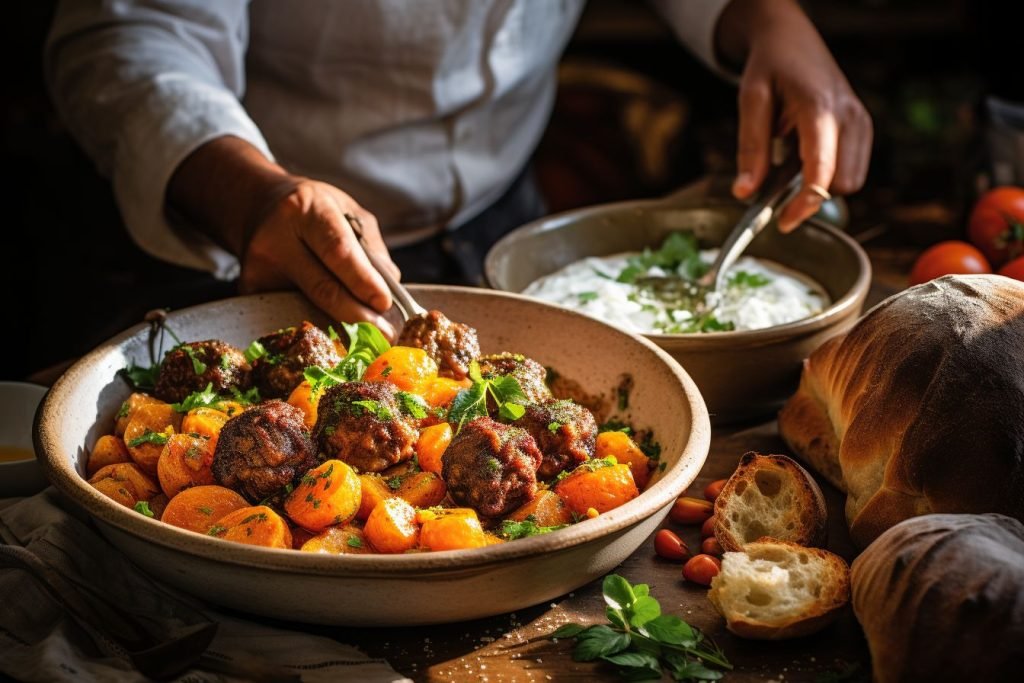
Did you know? You can enjoy these doughnut balls after having dawood basha (meatballs with potatoes).
Get its simple recipe now (by clicking the image below):