Halva with pistachio has a unique texture and flavor that is truly irresistible. Made with tahini paste and chopped unsalted pistachios, it’s a dessert that’s easy to make and perfect for any occasion.
To make this delicious dessert, you’ll need just a handful of ingredients – tahini paste, milk powder, powdered sugar, rosewater, and unsalted pistachios.
The result is a dessert that’s sweet, nutty, and just the right amount of chewy. It’s perfect for satisfying a sweet craving or as a dessert to serve to guests. Plus, it’s a great way to use up any leftover tahini paste you may have in your pantry. Give it a try and I’m sure it will become a new favorite in your dessert rotation.
History of Halva
Origins
Halva is a sweet and dense confection that has been enjoyed for centuries in various parts of the world. Its exact origins are unclear, but it is believed to have originated in the Middle East or Central Asia. Some sources suggest that the first halva was made in the city of Medina in Saudi Arabia during the 7th century.
Throughout history, halva has been made with different ingredients and in various styles. In some regions, it is made with sesame seeds, while in others, it is made with semolina or flour. Some versions are flavored with rosewater or saffron, while others are made with nuts such as pistachios or almonds.
Cultural Significance
Halva has played an important role in the culinary traditions of many cultures around the world. In the Middle East, it is often served during religious and cultural celebrations, such as Eid al-Fitr and weddings. In Turkey, it is a popular breakfast food, often served with tahini and bread. However, in India, it is known as “sooji halwa” and is often served as a dessert.
In addition to its cultural significance, halva is also known for its nutritional value. It is a good source of protein, fiber, and healthy fats, making it a popular snack for those who are health-conscious.
Ingredients:
- ¾ cup of tahini paste
- 1 cup of milk powder
- ½ cup of powdered sugar
- 1 tbsp of rosewater
- ½ cup of chopped unsalted pistachios
How to Make Halva with Pistachio?
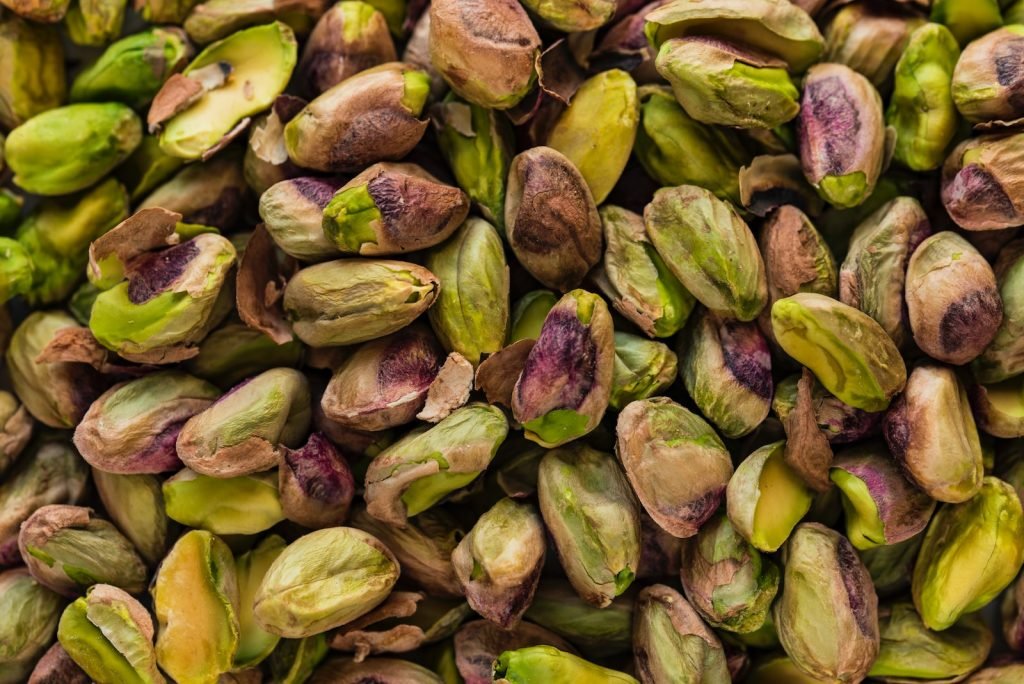
- Gather tahini paste, powdered sugar, milk powder, and rosewater and add them to a food processor. Blend the ingredients until they are completely incorporated.
- Next, take a small glass container and line it with parchment paper. Add a layer of crushed pistachios to the bottom of the container.
- Then, press the tahini halva mixture firmly into the container and sprinkle additional pistachios on top.
- Allow the halva to chill in the fridge for at least an hour before slicing. This allows the halva to firm up and hold its shape when sliced.
Nutritional Information
Health Benefits
This is a great source of protein, fiber, and healthy fats. Pistachios are known to be a good source of antioxidants, which can help reduce inflammation in the body. Halva is also a good source of iron, which is important for maintaining healthy blood cells.
Caloric Content
While it is a nutritious snack, it is also high in calories. A 100-gram serving of halva with pistachio contains approximately 550 calories. It is important to consume halva in moderation as part of a balanced diet.
Serving Suggestions
Here are a few serving suggestions to help you make the most of this delicious treat:
Accompaniments
- Fresh fruit: Serve halva with sliced fruit such as strawberries, bananas, or raspberries for a refreshing and healthy contrast to the rich sweetness of the halva.
- Whipped cream: Dollop a spoonful of whipped cream on top of the halva for a creamy and indulgent treat.
- Ice cream: Serve halva with a scoop of your favorite ice cream for a decadent dessert that’s perfect for any occasion.
Presentation Styles
- Sliced: Cut the halva into thin slices and arrange them on a plate for an elegant and sophisticated presentation.
- Cubes: Cut the halva into bite-sized cubes and serve them on toothpicks for a fun and easy-to-eat treat.
- Crumbled: Crumble the halva and sprinkle it over ice cream or yogurt for a delicious and crunchy topping.
Regional Variations
Middle Eastern Halva
Middle Eastern halva is perhaps the most well-known variation of this sweet treat. It is typically made from tahini (ground sesame seeds), sugar, and sometimes honey. The mixture is heated until it thickens and then poured into a mold to cool. Once it has been set, it can be cut into slices or served in small portions.
One notable variation of Middle Eastern halva is the Iranian halva, which is often made with saffron and rosewater. This gives it a unique flavor and aroma that sets it apart from other types of halva.
South Asian Halva
South Asian halva, also known as halwa, is a popular dessert in countries like India and Pakistan. It is typically made from semolina, ghee (clarified butter), and sugar. The mixture is cooked until it thickens and then flavored with ingredients like cardamom, saffron, or rosewater.
There are many different types of South Asian halva, each with its unique flavor and texture. For example, carrot halva is made from grated carrots, while suji halva is made from semolina and often includes nuts like almonds or pistachios.
Storage and Shelf Life
- Keep the halva in a tightly sealed container to avoid it getting dry and taking on smells from other foods in your pantry.
- Keep the container in a cool, dry place away from direct sunlight and heat sources. Halva can melt in warm temperatures, so avoid storing it near the stove or oven.
- If you have a large quantity of halva, consider freezing it. Wrap each piece tightly in plastic wrap and place them in a freezer bag. Halva can last up to six months in the freezer.
When it comes to the shelf life of halva, it varies depending on the type and brand. Some halva can last for several months, while others need to be consumed within a few weeks.
In my experience, halva with pistachio can last for up to three months when stored properly. However, it’s best to consume it within a month to enjoy its optimal freshness and flavor. If you notice any changes in texture or taste, it’s time to discard it.
Pairing with Other Foods
In my experience, I’ve found that halva with pistachio pairs particularly well with certain beverages and desserts.
Beverages
If you’re looking for a beverage to pair with your halva, I recommend trying a cup of hot tea. The warmth of the tea complements the sweetness of the halva, while the subtle flavors of the tea help balance out the richness of the pistachios. Some of my favorite teas to pair with halva with pistachio include black tea, green tea, and herbal teas such as chamomile or peppermint.
Another great beverage to try with halva with pistachio is a glass of cold milk. The creaminess of the milk helps to enhance the nutty flavors of the pistachios, while the sweetness of the halva provides a nice contrast to the mild flavor of the milk. If you prefer a dairy-free option, almond milk or coconut milk can also be great choices.
Desserts
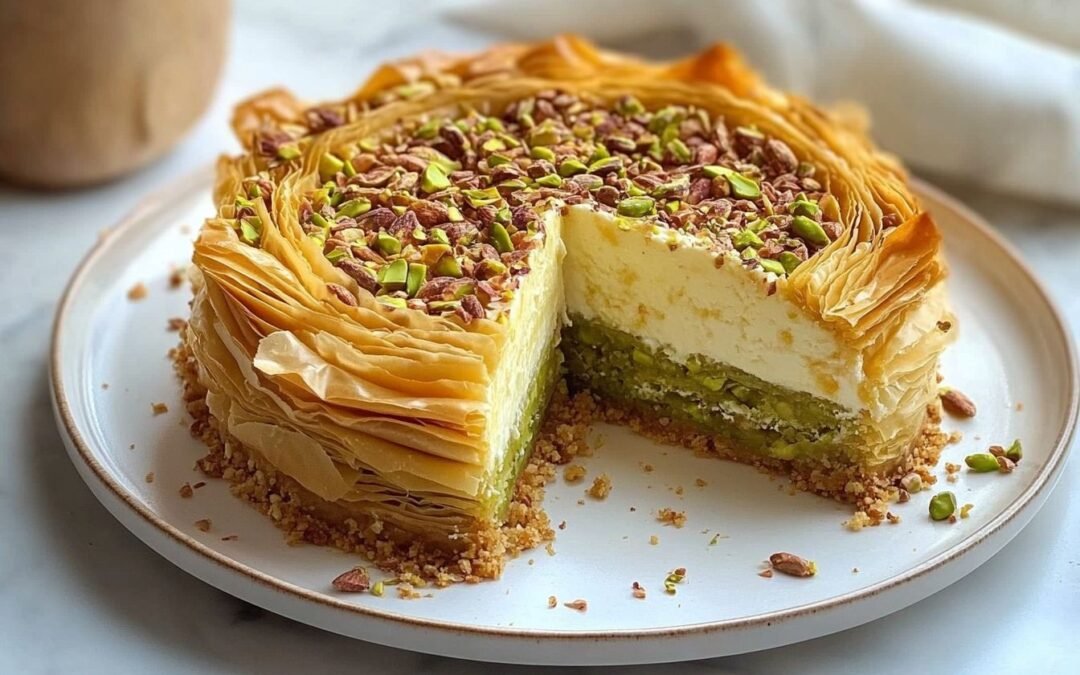
One classic pairing is halva with pistachio and baklava. The flaky layers of phyllo dough in the baklava provide a nice texture contrast to the dense and chewy halva, while the honey and nut filling of the baklava complement the flavors of the pistachios in the halva.
Another great option is to serve it alongside a scoop of vanilla ice cream. The cool and creamy texture of the ice cream helps to balance out the sweetness of the halva, while the subtle vanilla flavor provides a nice contrast to the nutty flavors of the pistachios.
Purchasing Tips
If you prefer to purchase this halva, there are a few things to keep in mind to ensure you get the best quality product.
Firstly, it’s important to check the ingredients list to ensure that the halva is made with high-quality pistachios. Look for products that use whole or chopped pistachios rather than ground or powdered pistachios, as this can indicate a lower-quality product.
Additionally, it’s important to check the expiration date and storage instructions on the packaging. It can spoil quickly if not stored properly, so be sure to store it in a cool, dry place away from direct sunlight.
Finally, it’s also a good idea to consider the brand and the reputation of the manufacturer. Look for brands that have a history of producing high-quality halva products and that use natural ingredients without any artificial additives or preservatives.
Homemade vs Commercial
I have tried both homemade and commercial versions of this delicious treat. Here are my observations on the differences between the two:
Texture: Homemade halva tends to be denser and more crumbly, while commercial halva is often smoother and softer. This is because commercial halva is typically made with more oil and sugar, which gives it a creamier texture.
Flavor: Homemade halva has a more pronounced nutty flavor, while commercial halva can sometimes taste overly sweet. This is because commercial halva often contains more sugar and artificial flavorings to enhance its taste.
Ingredients: When making halva at home, you have full control over the ingredients you use. You can choose high-quality pistachios and use less sugar and oil to make a healthier version. Commercial halva, on the other hand, may contain additives and preservatives to extend its shelf life.
Cost: Homemade halva can be more cost-effective, especially if you already have the ingredients on hand. However, making halva from scratch can be time-consuming and requires some skill. Commercial halva is readily available and convenient, but it can be more expensive.
Conclusion
In my opinion, halva with pistachio is a delicious and nutritious dessert that everyone should try. The combination of sweet and nutty flavors is simply irresistible.
One thing to keep in mind is to use high-quality ingredients. The pistachios should be fresh and crunchy, and the halva should be made with pure sesame paste and honey.
Another tip is to serve the halva with a cup of hot tea or coffee. The warmth of the drink complements the sweetness of the dessert perfectly.
Overall, I highly recommend trying halva with pistachio if you haven’t already. It’s an easy-to-make dessert that’s perfect for any occasion.
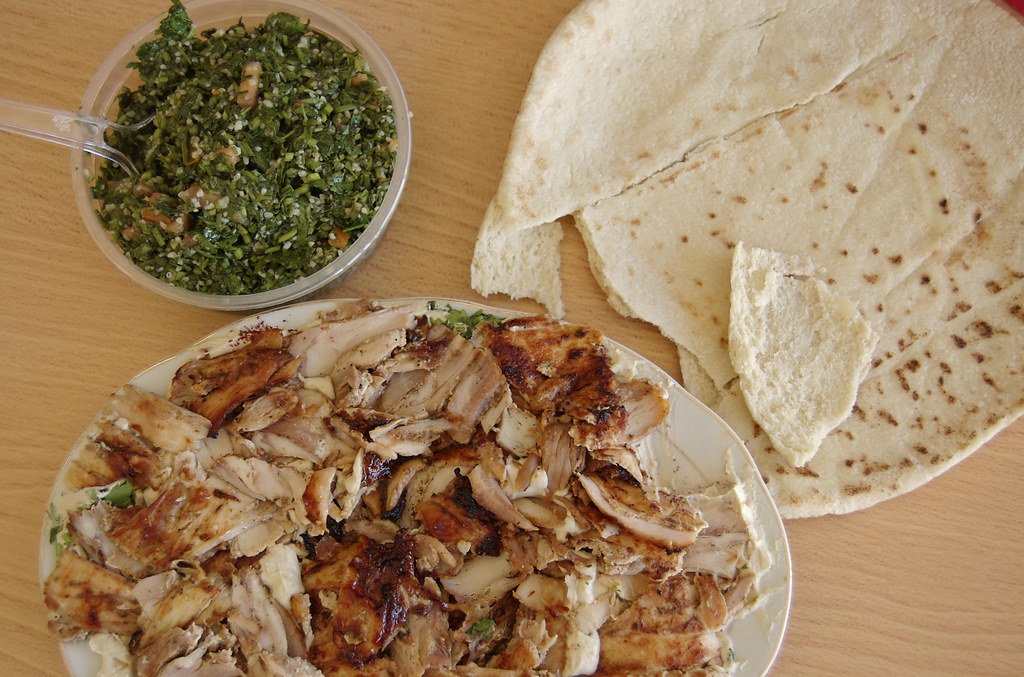
One more thing, this halva can be the perfect dessert after having hummus with shawarma.
Get the recipe now (by clicking the image below):