Shakshuka has become a staple in many households around the world. This delicious and nutritious meal consists of eggs poached in a flavorful tomato-based sauce, often spiced with cumin, paprika, and other aromatic spices. While the traditional recipe calls for bell peppers and onions, I recently tried shakshuka with lentils – a variation that includes lentils for an added boost of protein and fiber.
What Is Shakshuka
Shakshuka is a popular dish in the Middle East and North Africa that has recently gained popularity worldwide. It is a simple and flavorful dish made with eggs cooked in a tomato-based sauce with onions, garlic, and spices. The dish is typically served with bread or pita for dipping.
Origins of Shakshuka
The origins of shakshuka are disputed, with some claiming it originated in Tunisia and others claiming it originated in Israel. Regardless of its origins, shakshuka has become a staple in many Middle Eastern and North African countries.
The dish is often served for breakfast, but it can also be enjoyed for lunch or dinner. It is a great option for vegetarians and can be easily customized with different spices and vegetables.
Lentils in Shakshuka
Adding lentils to shakshuka adds an extra layer of flavor and nutrition. Lentils are a great source of protein, fiber, and iron, making them a healthy addition to any meal.
To incorporate lentils into shakshuka, simply cook them separately and add them to the tomato-based sauce along with the eggs. The lentils will absorb the flavors of the sauce and add a hearty texture to the dish.
Health Benefits
Nutritional Value of Lentils
Lentils are a great source of protein and fiber, which makes them a popular ingredient in vegetarian and vegan diets. They are also rich in iron, which is essential for healthy blood and energy levels. Lentils are also low in fat and calories, making them a great option for those watching their weight.
Here is a breakdown of the nutritional value of one cup of cooked lentils:
| Nutrient | Amount |
|---|---|
| Protein | 18g |
| Fiber | 16g |
| Iron | 6.6mg |
| Fat | 1g |
| Calories | 230 |
Benefits of Tomatoes in Shakshuka
Tomatoes are the star ingredient in shakshuka, and they come with several health benefits. They are rich in antioxidants, which help protect against cancer and heart disease. Tomatoes are also a great source of vitamin C, which helps boost the immune system and promotes healthy skin.
Here are some additional benefits of tomatoes:
- They are low in calories and high in water content, making them a great option for weight loss.
- They are rich in potassium, which helps lower blood pressure and reduce the risk of stroke.
- They are a good source of lycopene, which helps protect against prostate cancer.
Ingredients:
- 2 tbsp of olive oil
- 1 finely chopped small onion
- 1 chopped Fresno chile
- 1 seeded and chopped roasted red bell pepper (can be from a jar)
- 3 minced cloves of garlic
- 1 can (28 oz) of crushed fire-roasted tomatoes
- 1 tsp of ground cumin
- 1 tsp of paprika
- Cayenne pepper (to taste)
- 1/4 cup of dry red lentils
- Salt and ground black pepper (to taste)
- 4 large eggs
- 2 tbsp of chopped parsley
- 1/4 cup of crumbled feta cheese
How to Make Shakshuka with Lentils?
- Start by heating oil in a heavy skillet such as cast iron over medium-high heat.
- When the oil is hot, throw in the onion and chile. Turn the heat down a bit and let it cook for 5-6 minutes until they’re soft. Next, add the roasted red bell pepper and garlic. Cook for another 30 seconds until the garlic smells good.
- Add the tomatoes, paprika, cumin, cayenne, and lentils to the skillet.
- Get the mix simmering nicely on medium heat, then turn it down to low. Cover the skillet and let it cook for 20 minutes or until the lentils are nice and tender. If the lentils are fresh, they might not need as much time to cook.
- Season the mixture to taste with black pepper and salt.
- To create wells for the eggs, use the back of a spoon to press down on the tomato-lentil mixture and create four wells.
- Gently break an egg into each little well. Cover the skillet and let them cook for 7-8 minutes or until the eggs are just firm.
- Finally, sprinkle the shakshuka with the parsley and feta cheese and serve it immediately. This dish is perfect for breakfast, lunch, or dinner and is sure to impress your guests with its unique flavor and texture.
Cooking Techniques
Stovetop Method
When making shakshuka on the stovetop, it’s important to use a heavy-bottomed skillet or a cast-iron pan. Heat the pan over medium heat and add a generous amount of olive oil. Once the oil is hot, add diced onions and sauté until they are soft and translucent. Then add garlic and cook for a minute, being careful not to burn it.
Next, add diced tomatoes, tomato paste, and spices such as cumin, paprika, and chili flakes. Cook for a few minutes until the tomatoes start to break down and the mixture becomes fragrant. Then add cooked lentils and stir until they are coated in the tomato sauce.
Using a spoon, make small wells in the tomato-lentil mixture and crack an egg into each well. Cover the pan with a lid and let the eggs cook until the whites are set and the yolks are still runny. Garnish with chopped herbs and serve hot with crusty bread.
Oven-Baked Shakshuka
To make oven-baked shakshuka, preheat the oven to 375°F. Heat a cast-iron skillet over medium heat and add olive oil. Once the oil is hot, add diced onions and sauté until they are soft and translucent. Then add garlic and cook for a minute, being careful not to burn it.
Next, add diced tomatoes, tomato paste, and spices such as cumin, paprika, and chili flakes. Cook for a few minutes until the tomatoes start to break down and the mixture becomes fragrant. Then add cooked lentils and stir until they are coated in the tomato sauce.
Using a spoon, make small wells in the tomato-lentil mixture and crack an egg into each well. Transfer the skillet to the preheated oven and bake for 10-15 minutes until the eggs are cooked to your liking.
Garnish with chopped herbs and serve hot with crusty bread. The oven-baked method is great for feeding a crowd as you can easily double or triple the recipe and bake it in a larger skillet or a baking dish.
Serving Suggestions
Accompaniments
- Bread: Serve your shakshuka with a nice crusty bread for dipping and scooping up all the flavorful juices. I recommend sourdough or whole-grain bread for added texture and flavor.
- Yogurt: A dollop of plain Greek yogurt on top of your shakshuka adds a creamy and tangy contrast to the rich tomato sauce. It also helps to cool down any spiciness from the dish.
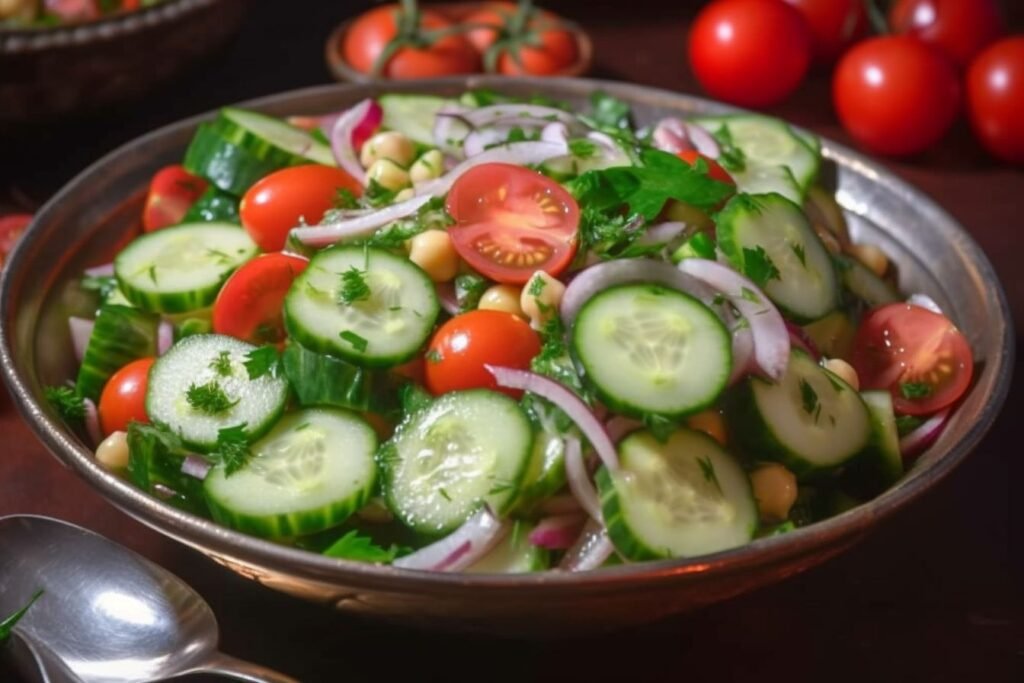
- Salad: A simple side salad with fresh greens, cucumbers, and tomatoes can balance out the richness of the shakshuka. Dress it with a light vinaigrette for added brightness.
Garnishing Tips
- Fresh herbs: Chopped fresh herbs like parsley, cilantro, or dill add a pop of freshness to the dish. Sprinkle them over the top of the dish just before serving.
- Feta cheese: Crumbled feta cheese adds a salty and tangy flavor to the dish. It also helps to cut through the richness of the tomato sauce.
- Chili flakes: If you like your shakshuka spicy, sprinkle some chili flakes over the top. It adds a nice kick of heat without overpowering the other flavors.
Variations
Vegetarian and Vegan Options
For a vegan version, simply omit the eggs and add more vegetables to the dish, such as chopped bell peppers or zucchini, to make it more filling and nutritious.
Another option is to use tofu instead of eggs. Simply crumble firm tofu into the tomato and lentil mixture and let it cook until heated through. You can also add some nutritional yeast or vegan cheese to give it a cheesy flavor.
Meat Additions
If you want to add some meat to this shakshuka, there are several options to choose from. You can add some cooked ground beef or lamb to the tomato and lentil mixture for a hearty and flavorful dish.
Another option is to add some sliced chorizo or spicy sausage for a smoky and spicy flavor. You can also top the dish with some crumbled bacon or prosciutto for a salty and savory touch.
Storage and Reheating
Refrigeration
After cooking the shakshuka, I store the leftovers in an airtight container in the refrigerator. This helps to keep the dish fresh for up to 3-4 days. Before refrigerating, allow the dish to cool down to room temperature. Once cool, cover the container with a lid or plastic wrap and place it in the refrigerator.
Freezing
If you have leftovers that you won’t be able to consume within 3-4 days, you can freeze them for later use. To freeze, allow the dish to cool down to room temperature. Then, transfer it to a freezer-safe container or a freezer bag. Be sure to label the container or bag with the date and contents. The dish can be stored in the freezer for up to 3 months.
Reheating Instructions
To reheat, there are a few options. If you have refrigerated leftovers, you can reheat them in the microwave or on the stovetop. To reheat in the microwave, place the desired amount of shakshuka in a microwave-safe dish and heat on high for 1-2 minutes, stirring occasionally until heated through. To reheat on the stovetop, place the desired amount of shakshuka in a saucepan and heat over medium heat, stirring occasionally until heated through.
If you have frozen shakshuka, it’s best to thaw it in the refrigerator overnight before reheating. Once thawed, you can reheat using the same methods as above.
Troubleshooting
Texture Adjustments
If your shakshuka turns out to be too soupy, you can easily adjust the texture by cooking it for longer. This will allow the excess liquid to evaporate, resulting in a thicker sauce. Alternatively, you can add a thickening agent such as cornstarch or flour to the mixture. Be sure to mix the thickening agent with cold water before adding it to the shakshuka to avoid clumping.
On the other hand, if your shakshuka is too thick, you can thin it out by adding a small amount of water or broth. It’s important to add the liquid gradually to avoid making the sauce too watery. You can also add a splash of vinegar or lemon juice to brighten up the flavors and help balance out the richness.
Flavor Balancing
If your shakshuka tastes too acidic, you can balance it out by adding a pinch of sugar or honey. This will help to mellow out the acidity and bring out the other flavors in the dish. You can also add a dollop of yogurt or sour cream to help balance out the acidity.
If it tastes too sweet, you can balance it out by adding a pinch of salt or a squeeze of lemon juice. This will help to cut through the sweetness and bring out the other flavors in the dish. You can also add a pinch of cumin or smoked paprika to add some depth and complexity to the flavors.
Pairing with Beverages
Non-Alcoholic Drinks
For non-alcoholic beverages, I recommend pairing Shakshuka with a refreshing glass of iced tea or a fruity smoothie. The coolness of the drink can help balance out the heat of the shakshuka, while the sweetness of the smoothie can complement the savory flavors of the dish.
Wine Pairings
If you’re looking to pair Shakshuka with a glass of wine, there are a few options to consider. For a red wine, I recommend a light-bodied Pinot Noir or a fruity Beaujolais. These wines have enough acidity to cut through the richness of the dish, while their fruitiness can complement the flavors of the tomatoes and lentils.
For white wine lovers, a crisp Sauvignon Blanc or a dry Riesling can be a great choice. These wines have enough acidity to balance out the richness of the dish, while their fruitiness can complement the flavors of the tomatoes and lentils.
Conclusion
I hope you enjoyed learning about shakshuka with lentils as much as I enjoyed writing about it. This dish is a delicious and nutritious addition to any mealtime, and it’s perfect for breakfast, lunch, or dinner.
By combining the traditional flavors of shakshuka with the protein and fiber of lentils, you get a dish that is not only tasty but also filling and satisfying. Plus, it’s incredibly easy to make, and you can customize it to your liking by adding your favorite vegetables or spices.
In conclusion, shakshuka with lentils is a must-try for anyone looking to add some variety to their meal plan. It’s a healthy and flavorful way to enjoy eggs and vegetables, and it’s a great way to start your day or end your night. So why not give it a try and see for yourself how delicious it can be?
As mentioned above, fresh salad is a great accompaniment for shakshuka.
Get this Omani salad recipe now (by clicking the image below):