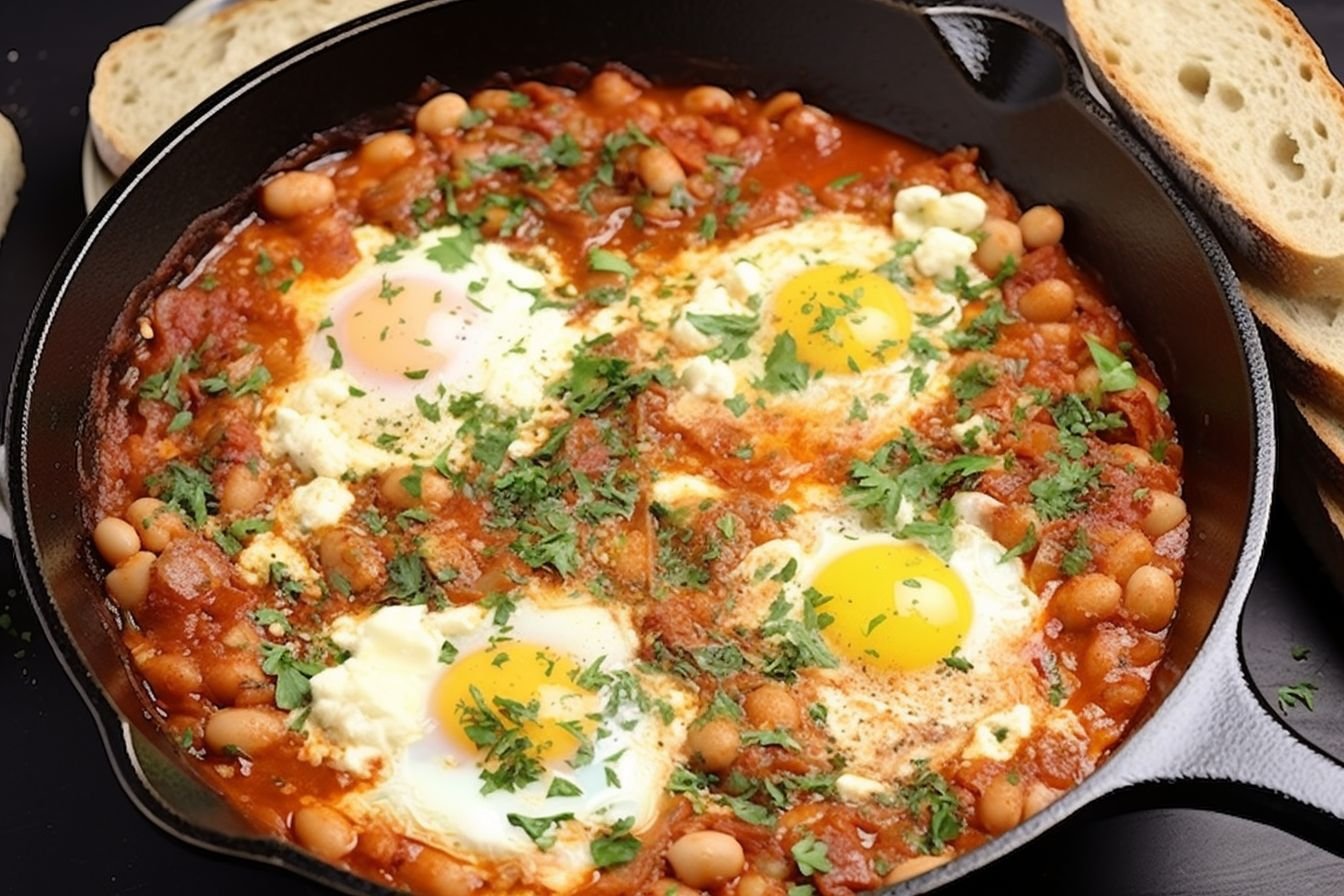
Shakshuka with beans is a flavorful combination of eggs, tomatoes, and spices, with the addition of creamy cannellini beans. It’s a hearty and satisfying breakfast or brunch option that’s easy to make and perfect for sharing.
To make this delicious dish, you’ll need a few key ingredients: olive oil, garlic, onions, tomatoes, smoked paprika, cumin, oregano, red pepper flakes, black pepper, and salt. In addition, you will need of course cannellini beans and eggs. For garnishing, you can use fresh parsley and crumbled feta.
What Is Shakshuka
Shakshuka is a popular Middle Eastern dish that consists of eggs poached in a flavorful tomato sauce. This dish is known for its bold and spicy flavors, making it a favorite among those who enjoy a bit of heat in their meals.
Historical Background
Shakshuka has a rich history that dates back to the Ottoman Empire. It is believed to have originated in North Africa and spread throughout the Middle East and Mediterranean regions. The dish was traditionally eaten for breakfast, but it has become popular for any meal of the day.
Cultural Significance
Shakshuka is a dish that is steeped in cultural significance. It is a staple in many Middle Eastern and Mediterranean households and is often served during special occasions and holidays. It is also a dish that is often shared with family and friends, making it a symbol of community and togetherness.
(Recipe based on NYT recipe)
Ingredients:
- 2 tablespoons of olive oil
- 4 minced cloves of garlic
- 1 diced yellow onion
- 1 (crushed by hand) 28-ounce can of whole peeled tomatoes
- 1/2 tablespoon of smoked paprika
- 1 teaspoon of ground cumin
- 1/2 teaspoon of dried oregano
- 1/8 teaspoon of crushed red pepper
- Freshly cracked black pepper
- 1/4 teaspoon of salt, or more to taste
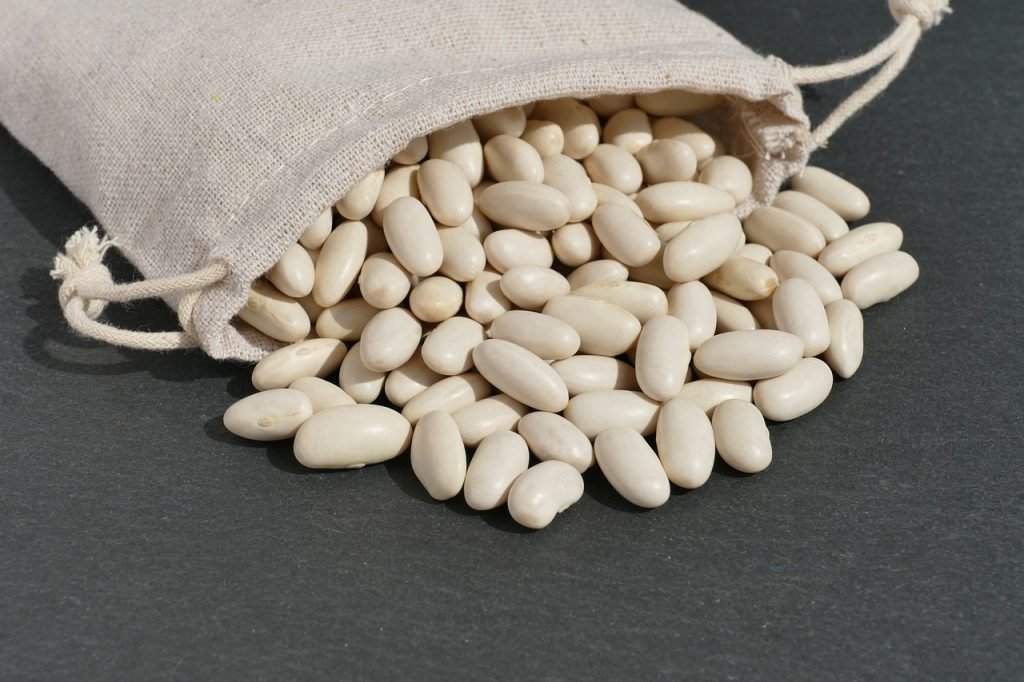
- 1 15-ounce drained and rinsed can of cannellini beans
- 4 large eggs
- 1 handful of chopped fresh parsley
- 2 ounces of crumbled feta cheese
How To Make Shakshuka with Beans?
- First, chop the garlic into tiny pieces and finely cut the onion. Then, toss them into a big deep pan with some olive oil on medium heat. Cook until the onions are soft and see-through, usually about 5 minutes.
- Now, put the canned tomatoes with their juices in the pan, crushing the tomatoes with your hands as you add them in. Also, add smoked paprika, cumin, oregano, red pepper flakes, and some freshly cracked pepper. Mix everything up and let the sauce come to a simmer. Allow the sauce to simmer while stirring occasionally, for approx. 5-7 minutes or until it thickens a bit. After that, add 1/4 tsp salt, taste the sauce, and adjust the salt or other spices as per your liking.
- Get rid of the liquid from the white beans and toss them into the skillet, stirring to mix. Let the skillet return to a simmer and allow it to simmer for an additional 2-3 minutes.
- Finally, crack four eggs into the pan, cover it with a lid, and let them simmer for 5 minutes or until the egg whites are cooked but the yolks are still a bit runny. As a final touch, sprinkle crumbled feta and chopped parsley on top of the skillet.
Variations of Shakshuka
Vegetarian Options
For those who are vegan, you can replace the eggs with an array of vegetables such as mushrooms, zucchini, spinach, and bell peppers. Adding beans to the dish is also a great way to increase its protein and fiber content.
Meat Additions
For meat lovers, shakshuka can be made with a variety of meat options such as ground beef, lamb, or chicken. Simply brown the meat in the pan before adding the tomato sauce and spices. This adds a rich flavor and texture to the dish.
Cheese Varieties
Cheese is a great addition to shakshuka, and there are many varieties to choose from. Feta cheese is a popular option that adds a tangy flavor to the dish. Mozzarella cheese can also be added for a creamy texture. For a stronger flavor, try adding goat cheese or blue cheese.
Nutritional Information
One serving of shakshuka with beans (about 1 cup) contains approximately:
- Calories: 380
- Protein: 20g
- Fat: 12g
- Carbohydrates: 47g
- Fiber: 10g
- Sodium: 715mg
The protein in this dish comes from the eggs and beans, which are both excellent sources of protein. The fiber in the dish comes from the beans and tomatoes, which are both high in fiber. Fiber is important for digestion and can help you feel full for longer.
This is also a good source of vitamins and minerals. The tomatoes provide vitamin C, potassium, and folate. The beans provide iron, magnesium, and zinc. The eggs provide vitamin D, vitamin B12, and choline.
Pairing Shakshuka with Sides
- Bread: Shakshuka is a saucy dish that begs to be sopped up with a piece of crusty bread. Serve it with a slice of toasted sourdough or a warm pita for a satisfying meal.
- Salad: A light and refreshing salad is the perfect contrast to the rich and spicy flavors of the shakshuka. Try a simple cucumber and tomato salad dressed with lemon juice and olive oil.
- Hummus: Creamy and savory hummus is a classic accompaniment to shakshuka. Serve it with a sprinkle of paprika and a drizzle of olive oil for a delicious dip.
- Roasted Vegetables: Roasted vegetables add a sweet and smoky flavor that pairs well with the bold flavors of the shakshuka. Try roasted eggplant, zucchini, or bell peppers for a satisfying side dish.
- Yogurt: A dollop of tangy yogurt can help balance the heat of the shakshuka. Serve it on the side or drizzle it over the top for a creamy finish.
Storing and Reheating Tips
- Storage: Allow the shakshuka to cool to room temperature before transferring it to an airtight container. It can be stored in the refrigerator for up to four days or in the freezer for up to three months.
- Reheating on the Stove: To reheat on the stove, transfer the shakshuka to a saucepan and heat over medium-low heat, stirring occasionally, until heated through. If the shakshuka is too thick, add a splash of water or broth to thin it out.
- Reheating in the Microwave: Transfer the shakshuka to a microwave-safe dish and cover it with a damp paper towel. Microwave on high for 1-2 minutes, stirring halfway through, until heated through.
- Serving Suggestions: When reheating, you can add some fresh herbs, such as parsley or cilantro, for a burst of flavor. You can also serve the shakshuka with crusty bread or pita for a satisfying meal.
Common Mistakes
- Overcooking the eggs: One of the most common mistakes when making shakshuk is overcooking the eggs. It’s important to keep an eye on the eggs and remove them from the heat when they are cooked to your liking. Overcooked eggs can become tough and rubbery, which can ruin the dish.
- Using too much liquid: Another common mistake is using too much liquid. While it’s important to have enough liquid to cook the beans and create a sauce, too much liquid can result in a watery and bland dish. Be sure to measure the liquid carefully and adjust as needed.
- Not seasoning properly: Seasoning is key when it comes to making shakshuka. Be sure to taste the dish as you go and adjust the seasoning as needed. Don’t be afraid to add a little more salt or spice if necessary.
- Using the wrong type of beans: Not all beans are created equal when it comes to shakshuka. Some beans, such as kidney beans, can be too starchy and overpowering. Stick to smaller beans, such as navy beans or cannellini beans, for the best results.
Conclusion
In my opinion, shakshuka with beans is a delicious and satisfying meal that is perfect for any time of day. The combination of eggs, tomatoes, and beans creates a flavorful and nutritious dish that is easy to prepare and enjoy.
One of the best things about it is its versatility. It can be served for breakfast, lunch, or dinner, and can be customized to suit your taste preferences. You can add different spices and herbs to the dish to give it a unique flavor, and you can serve it with bread, rice, or salad to make it a complete meal.
Another great thing is its nutritional value. Eggs are a great source of protein, while tomatoes and beans provide vitamins, minerals, and fiber. This makes this dish a healthy and filling meal that can help you stay energized throughout the day.
Overall, I would highly recommend trying shakshuka with beans if you haven’t already. It’s a simple and delicious dish that is sure to become a favorite in your household.
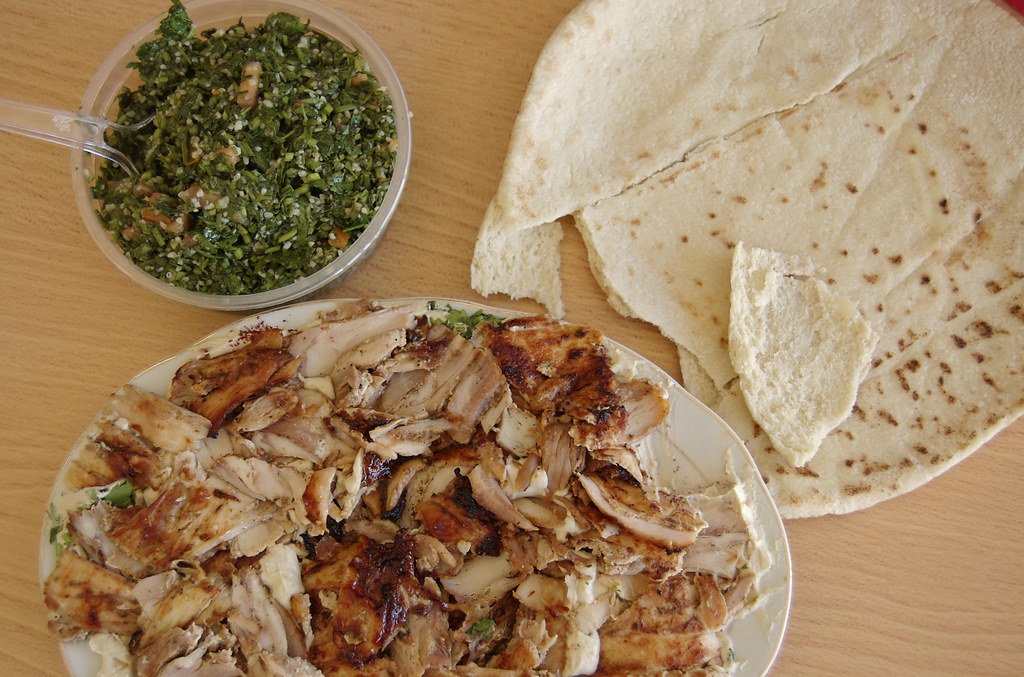
As mentioned above, hummus pairs perfectly with this shakshuka.
Get this hummus with shawarma recipe now (by clicking the image below):