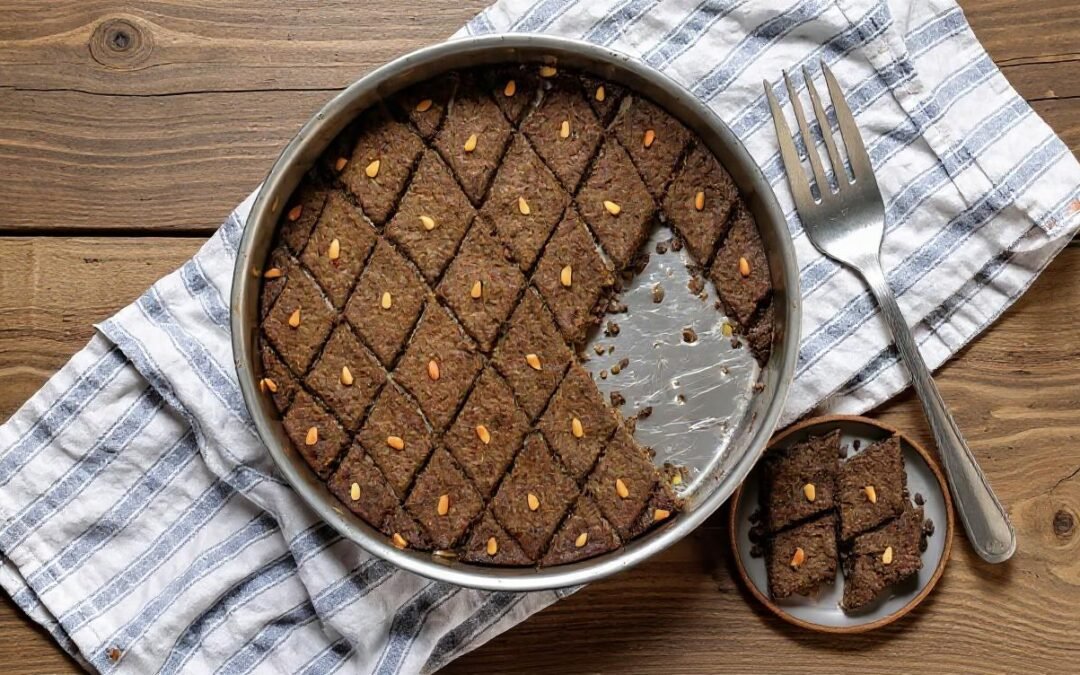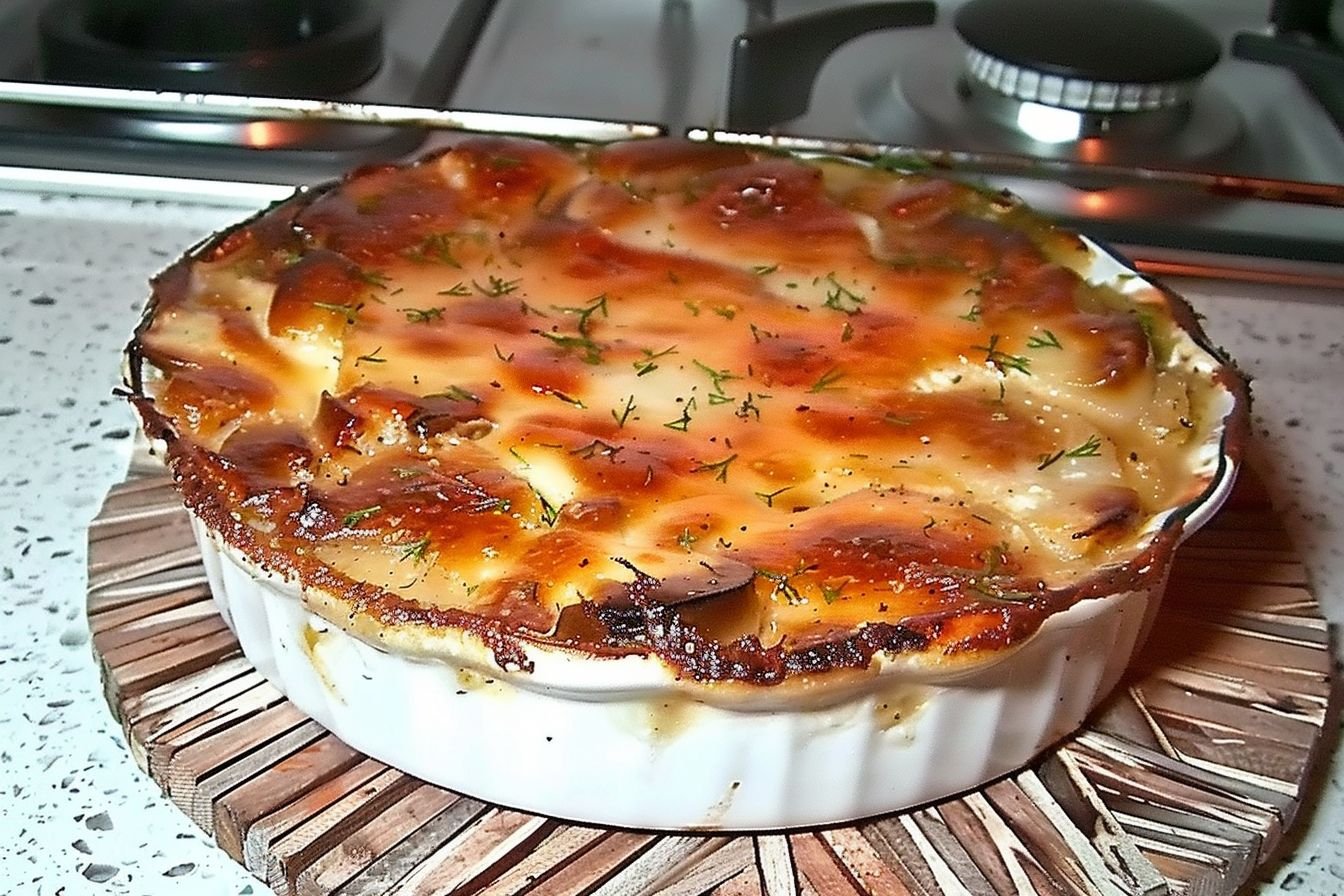
The Moussaka recipe without eggplant is packed with all the delicious flavors and textures of traditional moussaka but without the eggplant. This moussaka is a hearty and satisfying dish that’s perfect for a cozy night in or a dinner party with friends. Best of all, it’s easy to make and doesn’t require any fancy equipment or techniques. So if you’re looking for a delicious and eggplant-free moussaka recipe, give this one a try!
To make this moussaka, you’ll need a few key ingredients. onions, parsley, butter, ground lamb, canned tomatoes, Italian seasoning, salt, and pepper. The filling contains potatoes, butter, flour, milk, egg, and cheddar cheese.
Understanding Moussaka
Traditional Ingredients
Before delving into the recipe, it is important to understand the traditional ingredients used in moussaka. As mentioned earlier, the dish typically consists of layers of eggplant, ground beef, and béchamel sauce. In addition, it may also include potatoes, tomatoes, onions, garlic, and spices such as cinnamon and oregano.
Role of Eggplant in Moussaka
Eggplant is a key ingredient in traditional moussaka, providing a meaty texture and a slightly sweet flavor. However, some people may not enjoy the taste or texture of eggplant or may have an allergy to it. In such cases, a moussaka recipe without eggplant can be a great alternative.
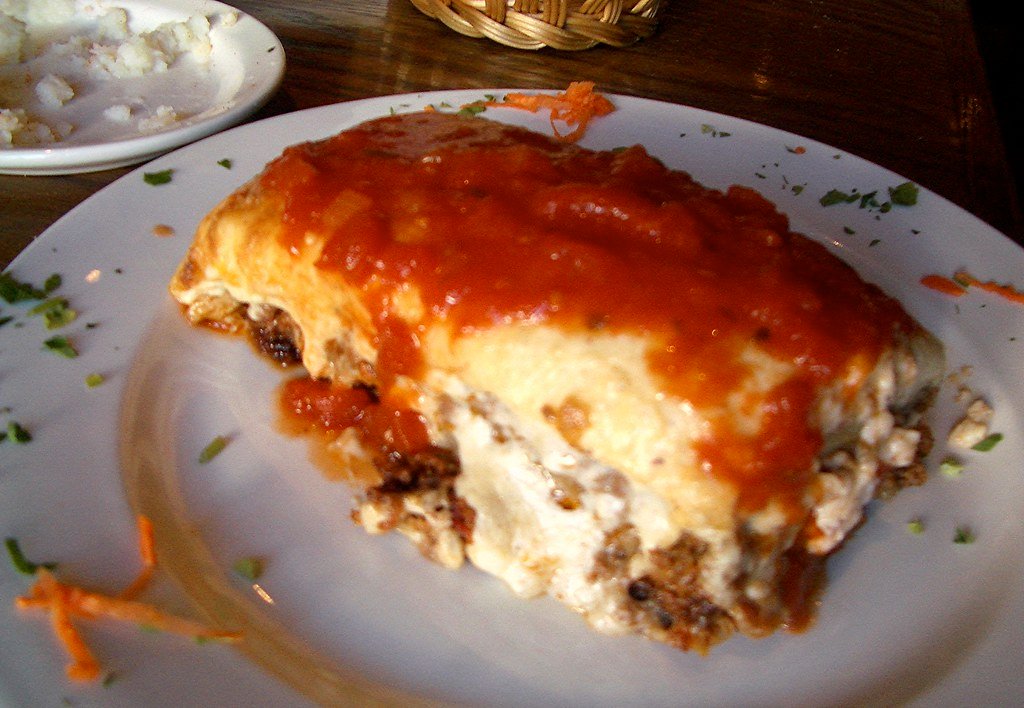
Ingredients:
- 2 tbsp of butter
- 2 chopped onions
- 1 tbsp of chopped parsley
- 2 lbs of ground lamb
- 2 (16 ounces) cans of whole peeled tomatoes
- 1 tbsp of Italian seasoning
- 2 tbsp of butter
- 2 tbsp of all-purpose flour
- 1 ½ cups milk
- ½ cup shredded sharp cheddar cheese
- 1 beaten egg
- 4 peeled and thinly sliced potatoes
- Salt and pepper to taste
How to Make Moussaka Without Eggplant?
- Set the oven temperature to 375 degrees Fahrenheit (190 degrees Celsius).
- Apply a thin layer of grease to the interior of a large casserole dish. Melt butter in a large skillet over medium heat. Sauté onions and parsley until the onions become translucent and softened. Increase the heat and add the lamb. Cook it until it is evenly browned on all sides. Drain any excess fat and set the lamb mixture aside.
- In a large bowl, combine chopped tomatoes with Italian seasoning, salt, and pepper. Mix thoroughly to ensure even distribution of the seasonings.
- Melt butter in a saucepan over medium heat. Gradually whisk in flour until a smooth paste forms. In a separate bowl, whisk together milk and egg. Slowly incorporate this mixture into the flour paste while whisking continuously. Cook the sauce, stirring constantly, until it reaches a thick and smooth consistency. Remove the pan from heat and stir in the cheese.
- Spread 1/3 of the potato slices evenly over the bottom of the greased casserole dish. Top with half of the cooked lamb mixture. Add half of the tomato mixture on top of the lamb layer. Repeat these layers once, ensuring the final layer is made of potato slices. Spread the prepared cheese sauce evenly over the top layer of potatoes.
- Cover the casserole dish with a lid. Bake the moussaka in the preheated oven for 1 hour and 30 minutes. Remove the cover and bake for an additional 30 minutes, or until the top becomes lightly browned.
Serving Suggestions
Accompaniments
I love serving my moussaka with a side of Greek salad. The fresh and crisp vegetables complement the rich and savory flavors of the dish perfectly. You can also serve it with a side of tzatziki sauce, which adds a cool and refreshing element to the meal.
Another great accompaniment for moussaka is warm pita bread. You can either serve it as a side or use it to scoop up the moussaka and enjoy it as a wrap. If you’re feeling adventurous, you can even try making your pita bread at home!
Presentation Tips
To make your moussaka look as good as it tastes, try garnishing it with some fresh herbs such as parsley or mint. This adds a pop of color and freshness to the dish.
You can also experiment with different types of baking dishes to create a unique presentation. For example, try using individual ramekins to create individual servings or a large rectangular baking dish for a family-style presentation.
Finally, don’t forget to let the moussaka rest for a few minutes before serving. This allows the flavors to meld together and makes it easier to cut and serve.
Storage and Reheating
Refrigeration Best Practices
To store moussaka in the refrigerator, first let it cool down to room temperature. Then, cover it tightly with plastic wrap or aluminum foil and place it in the refrigerator. It’s best to consume within 3-4 days to ensure optimal freshness.
When reheating, I recommend using an oven or toaster oven to maintain the texture and flavor of the dish. Preheat the oven to 350°F (175°C) and bake for 20-25 minutes until heated through. You can also microwave it on high for 2-3 minutes, but be aware that this may result in a softer texture.
Freezing and Thawing Moussaka
If you have leftovers that you won’t be consuming within 3-4 days, you can freeze them for later use. To freeze, let the moussaka cool down to room temperature, then place it in an airtight container or freezer bag. It can be frozen for up to 3 months.
When it’s time to thaw and reheat the moussaka, let it thaw overnight in the refrigerator. Once thawed, follow the same reheating instructions as above. Avoid microwaving frozen moussaka directly as it can result in uneven heating and a mushy texture.
Nutritional Information
Calorie Content
This moussaka without eggplant is no exception. One serving of this dish contains approximately 613 calories. The calorie count may vary depending on the ingredients you use and the portion size you serve.
Dietary Considerations
This moussaka is suitable for those who are allergic to eggplant or simply don’t like its taste. Some recipes use zucchini instead of eggplant, which is a great source of fiber, vitamins, and minerals. Additionally, this recipe contains ground beef, which is a good source of protein.
If you are following a specific diet, you can easily adjust this recipe to meet your dietary needs. For example, you can use ground turkey instead of beef, or skip the cheese if you are lactose intolerant. You can also add more vegetables to this recipe, such as bell peppers or mushrooms, to make it even more nutritious.
Conclusion
I hope this moussaka recipe without eggplant has inspired you to try something new in the kitchen. Using zucchini instead of eggplant not only adds a fresh twist to the classic dish but also makes it a great option for those who may not be a fan of eggplant.
By layering the ground beef and tomato sauce, you get a deliciously savory and satisfying meal that is perfect for any occasion. And with the addition of the Italian seasoning, the flavors are perfectly balanced and add a touch of warmth to the dish.
Don’t be afraid to experiment with different ingredients and spices to make this moussaka recipe your own. Whether you’re serving it for a family dinner or a potluck with friends, this moussaka without eggplant is sure to be a hit.
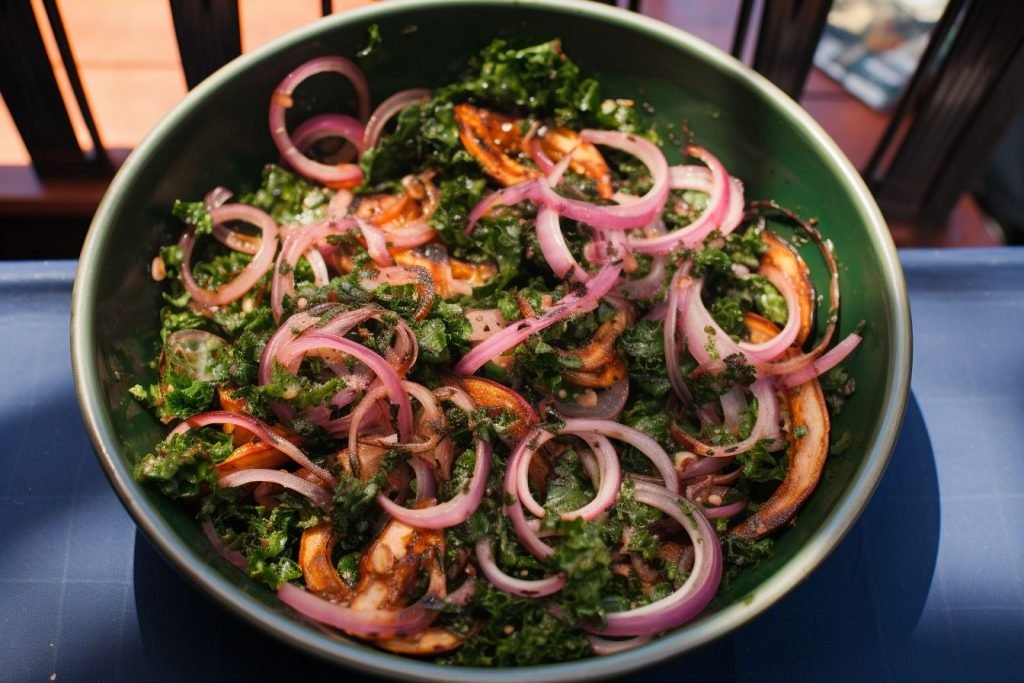
By the way, pairing this moussaka with parsley and onion salad makes a delicious meal.
Get this salad recipe now (by clicking the image below):