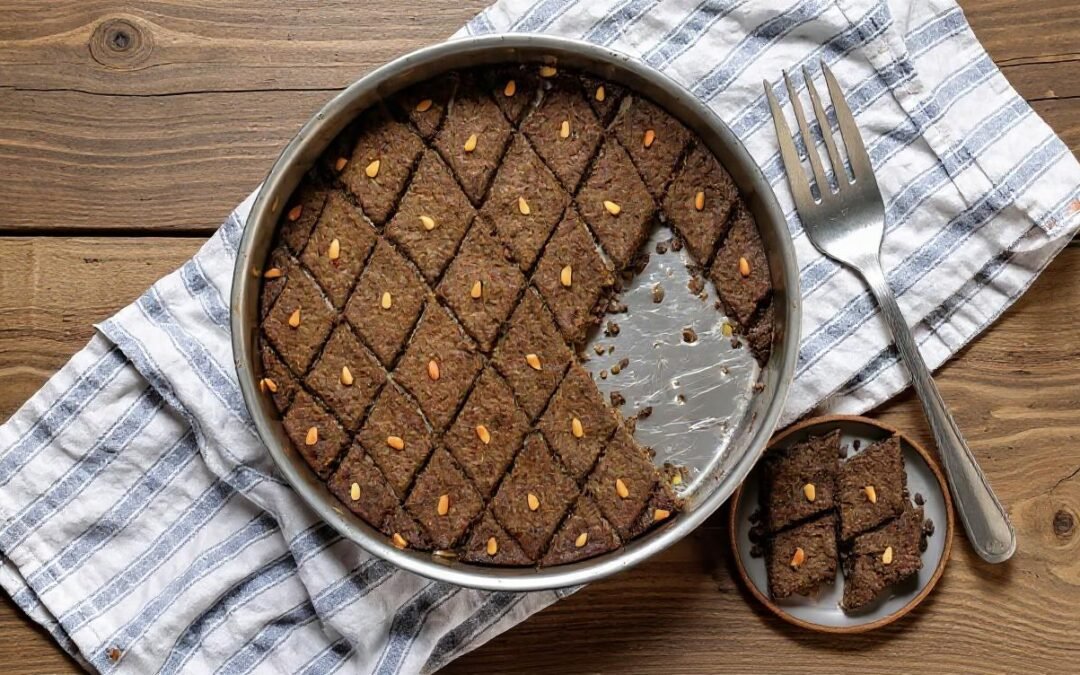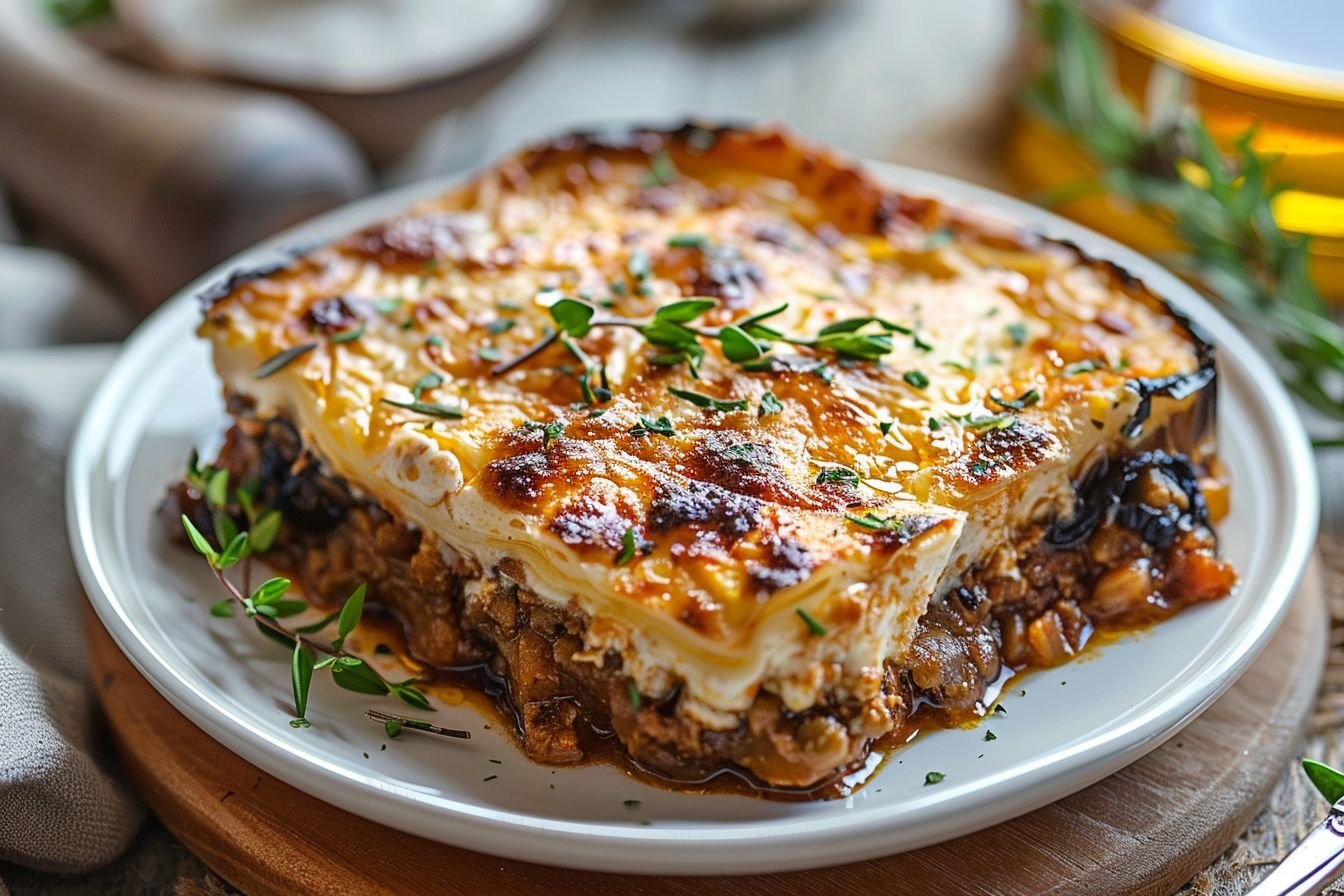
Moussaka with feta cheese is a classic Mediterranean dish that is enjoyed by many around the world. This hearty casserole is made with layers of eggplant, meat sauce, and a creamy feta cheese topping. It’s a perfect comfort food that can be served on any occasion.
To make this moussaka, you will need a few key ingredients. You’ll need three eggplants sliced into 1-inch slices, olive oil, salt, and pepper for the eggplant layer. For the meat sauce layer, you’ll need ground lamb or beef, onion, garlic, tomato paste, crushed tomatoes, cinnamon, allspice, ground cloves, oregano, mint leaves, and parsley. Finally, for the topping, you’ll need feta cheese, sour cream, and eggs.
This dish is perfect for a family dinner or a potluck with friends. It’s easy to make and can be prepared ahead of time, making it a great option for busy weeknights. The combination of flavors and textures in this dish is sure to please everyone at the table.
History of Moussaka
Moussaka is a traditional dish that originated in the eastern Mediterranean region. It is a layered casserole dish that typically includes eggplant, tomato sauce, and ground meat. However, there are many regional variations of the dish that include different ingredients.
Origins
The exact origins of moussaka are unclear, but it is believed to have originated in the eastern Mediterranean region. The dish has been around for centuries and has been adapted and modified by different cultures over time.
One theory is that moussaka was introduced to Greece by the Ottoman Empire during their occupation of the country. The dish was then adapted and modified by the Greeks to suit their tastes and ingredients.
Regional Variations
There are many different variations of moussaka throughout the eastern Mediterranean region. In Greece, moussaka typically includes eggplant, ground meat, tomato sauce, and a béchamel sauce made with flour, butter, and milk. In Turkey, the dish is called “mücver” and is made with zucchini instead of eggplant.
In Egypt, moussaka is made with potatoes instead of eggplant and is often served with a side of rice. In Lebanon, the dish is called “maghmour” and includes chickpeas and eggplant. In Cyprus, moussaka is made with potatoes and ground pork or beef.
Ingredients:
- 3 sliced eggplants, approx. 1-inch slices
- Olive oil
- Salt and pepper
Meat sauce:
- 1 lb of ground lamb or beef
- 1 chopped onion
- 3 minced cloves of garlic
- 2 tbsp of tomato paste
- 2 14oz cans of crushed tomatoes
- ½ tsp of cinnamon
- ½ tsp of allspice
- ½ tsp of ground cloves
- 1 tbsp of dried oregano
- 3 fresh chopped mint leaves
- 2 tbsp of chopped parsley (more for topping)
Topping:
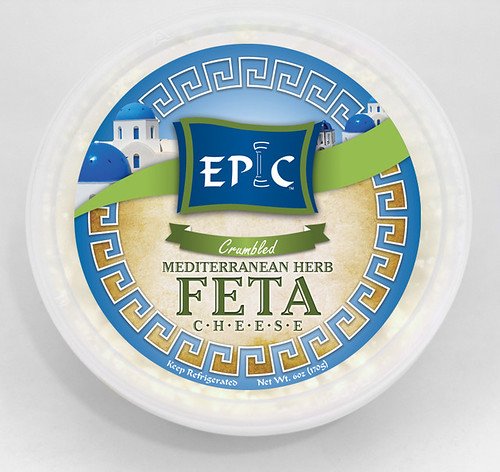
- 6 oz of crumbled feta cheese
- ¾ cup sour cream
- 2 eggs
How to Make Moussaka with Feta Cheese?
Making the eggplants:
- Preheat the oven to 400 degrees Fahrenheit (200 degrees Celsius).
- Dispose of the stem ends of the eggplant and prepare slices of uniform thickness. Arrange these slices on a baking sheet lined with nonstick foil or parchment paper.
- Employ a pastry brush to coat the eggplant surfaces with olive oil, ensuring even distribution. Subsequently, season them with salt and pepper.
- Bake the eggplant slices in the preheated oven for a duration of 25 to 30 minutes, or until they achieve a golden brown coloration.
Preparing the Meat Sauce:
- While the eggplant bakes, initiate the preparation of the meat sauce. Heat one tablespoon of oil over medium heat in a pan of suitable size.
- Sauté the onion until it reaches a state of softness. Introduce the minced garlic followed by cinnamon, allspice, ground cloves, and dried oregano. Fry this mixture until fully cooked, ensuring no pink hues remain in the meat (approximately 8 minutes).
- Incorporate the tomato paste and stir it thoroughly into the meat mixture. Subsequently, add the tomatoes, sugar, parsley, and fresh mint.
- Following the addition of these ingredients, stir the mixture together. Season it with salt and pepper to taste. Reduce the heat and simmer for 25 minutes.
Topping Construction:
- To prepare the topping, combine feta cheese, eggs, sour cream, and pepper in a food processor or mixer.
- Employ a pulsing motion to achieve a smooth and homogeneous consistency for the topping mixture.
- To assemble the moussaka, establish a base layer within a baking pan using the roasted eggplant slices.
- Next, add a layer of the constructed Greek meat sauce over the eggplant.
- Employ the prepared topping mixture to create a smooth and even layer over the existing ingredients within the pan.
- As a final touch, sprinkle fresh parsley over the topmost layer.
- Bake the assembled moussaka in the preheated oven until it achieves a golden brown coloration, approximately 30 minutes.
- The moussaka is ideally suited for serving in a hot state. Enjoy!
Serving Suggestions
Accompaniments
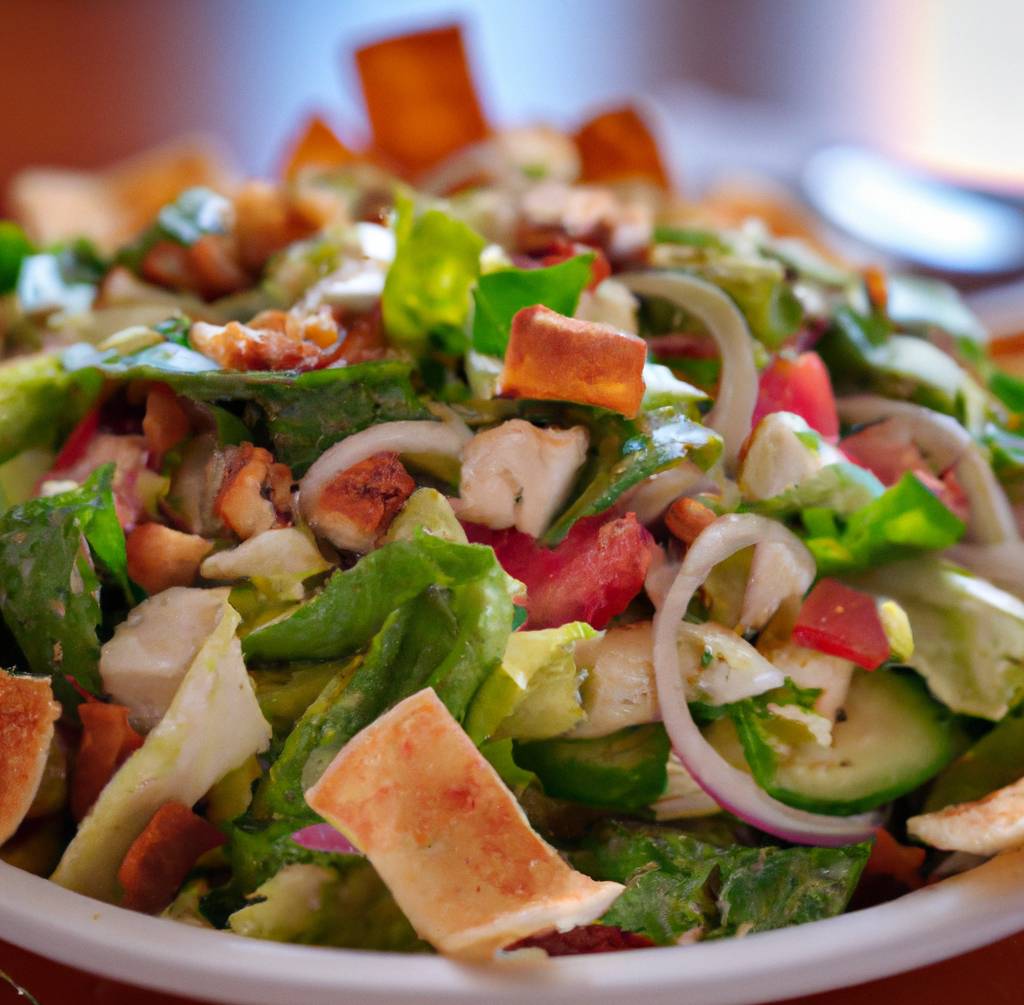
There are a few accompaniments that I always recommend. First and foremost, a simple green salad is a must. The freshness of the greens helps to cut through the richness of the moussaka, while the vinaigrette adds a tangy note that complements the feta cheese perfectly.
If you’re looking for something a bit heartier, roasted potatoes are an excellent choice. Simply toss small potatoes with olive oil, garlic, and rosemary, and roast them in the oven until crispy and golden brown. The earthy flavors of the potatoes pair beautifully with the savory flavors of the moussaka.
Presentation Tips
There are a few tips that can help take your dish from good to great. First and foremost, I recommend using a large, shallow baking dish. This allows the moussaka to cook evenly and ensures that each serving has plenty of topping.
When it comes to serving, I like to cut the moussaka into squares and serve each portion on a bed of fresh herbs, such as parsley or cilantro. This not only adds a pop of color to the dish but also helps to balance out the richness of the moussaka.
Finally, don’t be afraid to garnish your moussaka with a few crumbles of feta cheese and a sprinkle of chopped fresh herbs. This not only adds a beautiful finishing touch to the dish but also helps to highlight the star ingredient: the creamy, tangy feta cheese.
Nutritional Information
- A serving of this moussaka (about 200g) contains approximately 430 calories.
- It is a good source of protein, with about 20g per serving.
- This is also a good source of fiber, with about 7g per serving.
- It is a rich source of vitamins and minerals, including vitamin A, vitamin C, calcium, and iron.
Of course, it’s important to remember that this moussaka’s nutritional content may vary depending on the recipe and ingredients used. For example, if you use lean ground beef instead of lamb, the calorie and fat content may be lower.
Variations and Substitutions
Vegan Options
For those who follow a vegan diet, you can easily make a vegan moussaka by replacing the meat with tofu or lentils. You can also substitute the béchamel sauce with a vegan alternative made from cashews or soy milk. Another option is to use vegan cheese instead of feta cheese. There are many types of vegan cheese available, such as almond or soy-based cheese, which can provide a similar taste and texture to feta cheese.
Cheese Alternatives
If you are not a fan of feta cheese, there are other cheese options that you can use in your moussaka. Ricotta cheese is a great alternative that provides a creamy texture and mild flavor. You can also use parmesan cheese, which has a nutty flavor and is a bit saltier than feta cheese. Another option is to use goat cheese, which has a tangy flavor and crumbly texture.
Remember that the taste and texture of your moussaka may vary depending on the cheese you choose. Try out different cheeses until you find the one you like best. It’s all about what tastes good to you. Additionally, you can mix and match different types of cheese to create a unique flavor profile for your moussaka.
Storage and Reheating
- Store any leftover moussaka in an airtight container in the refrigerator for up to 3-4 days.
- To reheat, simply place the desired portion in a microwave-safe dish and heat on high for 1-2 minutes.
- Alternatively, you can reheat the moussaka in the oven. Preheat the oven to 350°F, cover the dish with foil, and bake for 10-15 minutes or until heated through.
- Do not freeze this moussaka as the texture of the cheese may change once thawed and reheated.
Remember to always check the internal temperature of the moussaka before consuming it, ensuring it has reached a safe temperature of 165°F. By following these simple storage and reheating tips, you can enjoy your moussaka for days to come.
Pairing with Drinks
Red Wine
A full-bodied red wine, such as a Cabernet Sauvignon or Merlot, can pair well with moussaka. The wine’s tannins can cut through the dish’s richness and bring out the flavors of the meat and spices. If you prefer a lighter wine, a Pinot Noir can also work well.
White Wine
If you prefer white wine, a Chardonnay or Sauvignon Blanc can be a good choice. These wines can complement the dish’s creamy béchamel sauce and highlight the flavors of the vegetables.
Beer
For beer lovers, a Belgian Dubbel or Tripel can be a good option. These beers have a malty sweetness that can balance the dish’s savory flavors. If you prefer a lighter beer, a Pilsner or Lager can also work well.
Non-Alcoholic Drinks
If you’re not drinking alcohol, there are still plenty of options to pair with moussaka. A sparkling water with a squeeze of lemon can help cleanse your palate between bites. A cup of hot tea, such as Earl Grey or Darjeeling, can also be a nice complement to the dish.
Conclusion
I must say, moussaka with feta cheese is a dish that truly satisfies my taste buds. The combination of the rich flavors of eggplant, tomato sauce, and ground beef with the tangy taste of feta cheese is simply irresistible.
As I was preparing this dish, I found that using fresh ingredients made a huge difference in the overall taste. Using fresh herbs and ripe tomatoes added a burst of flavor to the sauce, while the fresh eggplant gave the moussaka a hearty texture.
One thing to keep in mind when making this dish is that it requires some preparation time. However, the result is well worth the effort. Plus, this dish can be made in advance and reheated for a quick and easy meal.
Overall, I highly recommend trying moussaka with feta cheese. It’s a great dish to impress your guests or to enjoy with your family on a cozy night.
As you’ve read above, fresh salad accompanies this dish perfectly.
Get this fattoush salad recipe now (by clicking the image below):