
This egg-free moussaka recipe is a vegan dish made with roasted garlic, eggplant, lentils, and a creamy cashew-based bechamel sauce, this dish is sure to satisfy your cravings for comfort food while still adhering to your dietary preferences.
To make this recipe, you’ll need a few key ingredients: garlic, olive oil, eggplants, cashews, yeast, sea salt, and water. Finally, the filling is made with onions, garlic, lentils, crushed tomatoes, and oregano for a hearty and flavorful base.
Understanding Egg-Free Diets
People choose to follow egg-free diets for various reasons. Understanding these reasons and the nutritional considerations involved can help individuals make informed decisions about their dietary choices.
Reasons for Egg-Free Choices
Some people avoid eggs due to allergies or intolerances. Egg allergies are one of the most common food allergies, and can cause symptoms ranging from mild itching to life-threatening anaphylaxis. Egg intolerances, on the other hand, can cause digestive discomfort such as bloating, gas, and diarrhea.
Others may choose to avoid eggs due to ethical or environmental concerns. Some individuals follow a vegan or vegetarian diet, which excludes all animal products, including eggs. Others may avoid eggs due to concerns about the treatment of hens in egg production facilities or the environmental impact of egg production.
Nutritional Considerations
Eggs are a good source of protein, vitamins, and minerals. However, there are plenty of other foods that can provide these nutrients as well. For example, legumes, nuts, and seeds are all good sources of protein. Leafy greens, citrus fruits, and fortified cereals can provide vitamins and minerals.
Individuals following egg-free diets need to ensure they are getting enough protein, vitamins, and minerals from other sources. Consulting with a registered dietitian can help ensure a well-balanced and nutritious diet.
Ingredients:
Roasted Garlic (for Bechamel)
- 1 head of garlic
- 1 teaspoon of olive oil
Eggplant
- 2 small to medium eggplant
- 2 tablespoons of salt
- 2 tablespoons of olive oil
Bechamel
- 1 cup of soaked raw cashews
- 2 tablespoons of olive oil
- 1 tablespoon of nutritional yeast, plus more to taste
- 1/4 teaspoon of salt, (more to taste)
- 3/4 cup of water
Filling
- 1 tablespoon of oil
- 1 cup of chopped white or yellow onion
- 3 minced cloves of garlic
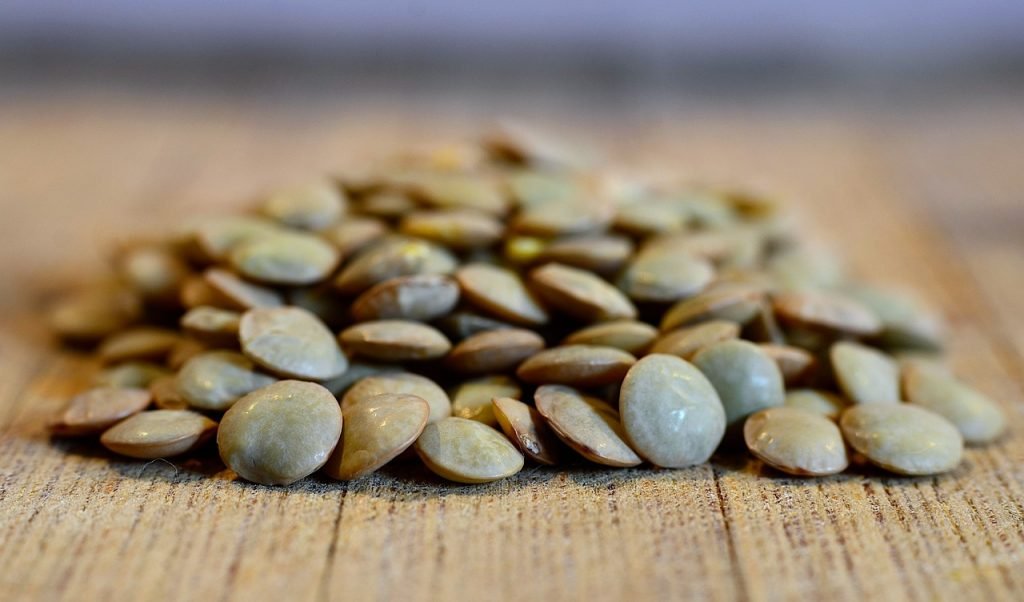
- 1 (15-oz) can of green or brown lentils, drained and rinsed
- 1 (15-oz) can of crushed tomatoes
- 1/4 teaspoon of each sea salt + pepper (more to taste)
- 1 teaspoon of dried oregano
How to Make Egg-Free Moussaka Recipe?
Here’s a more formal breakdown of the recipe instructions for a delicious and healthy egg-free moussaka, presented in 12 bullet points:
- Initiate the recipe by submerging cashews in boiling water for a half-hour.
Roasting the garlic
- Concurrently, preheat your oven to 400F (204C). Roast the garlic cloves by severing the top portion of the head and placing it on aluminum foil. Drizzle the exposed cloves with olive oil and envelop the garlic head entirely. Roast directly on the center oven rack for approximately 50 minutes to 1 hour, or until the cloves achieve tenderness, a fragrant aroma, and a light golden brown color.
Making the eggplants
- Begin by slicing the eggplant vertically into thin slices, each roughly a quarter-inch thick. To eliminate bitterness, meticulously salt both sides of the slices and transfer them to a colander positioned over a bowl or sink to collect any released moisture. Allow the eggplant slices to rest for 30 minutes. Subsequently, rinse the slices and pat them dry using clean towels.
- To prepare for baking, spread the eggplant slices on two large baking sheets lined with parchment paper and brush both sides with olive oil. Bake them at 400F (204C) for 15-20 minutes, or until they appear slightly golden brown.
Preparing the bechamel sauce
- Once the cashews have finished soaking, drain them and transfer them to a small blender. Add the roasted garlic (ensure it’s slightly cool), olive oil, nutritional yeast, salt, water, and nutmeg (if desired). Blend the ingredients on high speed until the mixture achieves a creamy and smooth consistency.
- Taste the bechamel and adjust the seasonings as needed. You may add more salt for savoriness or nutritional yeast for a cheesier flavor. Set the bechamel aside for later use.
Preparing the lentil filling
- Using medium heat, heat a large skillet. Once hot, add oil and onions, and sauté them until they become golden brown and slightly caramelized, which should take approximately 5 minutes. Stir the onions occasionally to ensure even cooking.
- Introduce the garlic and sauté for an additional 3-4 minutes, stirring intermittently. If the mixture browns too quickly, reduce the heat as necessary.
- Add the lentils and crushed tomatoes to the skillet. Season the mixture with salt, pepper, oregano, and nutmeg (if desired). Simmer for 15 minutes without a lid. If splattering occurs, reduce the heat and cover the skillet with a lid, leaving a small opening to allow steam to escape. After simmering, taste the lentil filling and adjust the seasonings to your preference. You may add more oregano for a stronger herbal flavor, nutmeg for a touch of nuttiness, or salt and pepper to enhance the overall taste.
Assembling
- Preheat your oven to 400F (204C) in preparation for baking the assembled moussaka. Select an 8×8 inch baking dish and meticulously arrange one-third of the eggplant slices in a single layer on the bottom. If necessary, slightly overlap the slices to create a complete covering. Evenly spread half of the lentil mixture over the eggplant layer. Repeat the previous steps to create another layer of eggplant slices followed by the remaining lentil mixture.
- As the final layer, meticulously place the remaining one-third of the eggplant slices on top of the lentil mixture.
- Pour the prepared bechamel sauce over the entire surface of the moussaka, ensuring an even distribution.
- Bake the assembled moussaka in the preheated oven at 400F (204C) for 25-30 minutes. The baking process is complete when the edges exhibit bubbling and the top appears slightly dry with golden brown edges. Let the moussaka cool for 10 minutes before serving. Store any leftovers in the refrigerator for up to 3-4 days or freeze them for up to 1 month.
Serving Suggestions
- Fresh Salad: Serve the moussaka with a fresh salad on the side. A simple salad of lettuce, tomatoes, cucumbers, and onions with a light vinaigrette dressing is a great accompaniment to the rich flavors of the moussaka.
- Garlic Bread: A warm slice of garlic bread is the perfect complement to the hearty moussaka. Simply slice a baguette, brush with garlic butter, and toast until golden brown.
- Greek Yogurt: A dollop of Greek yogurt on top of the moussaka adds a creamy and tangy flavor that pairs well with the spices in the dish.
- Roasted Vegetables: For a more substantial meal, roast some vegetables like zucchini, eggplant, and bell peppers and serve them alongside the moussaka. The roasted vegetables bring out the natural sweetness of the dish and provide a nutritious boost.
- Rice Pilaf: Serve the moussaka over a bed of fluffy rice pilaf for a complete and satisfying meal. The rice absorbs the flavors of the moussaka and adds a nice texture contrast.
Storing and Reheating
- Let the moussaka cool to room temp before putting it in the fridge. Hot food can heat the fridge, making it risky for food safety.
- Store the moussaka in an airtight container or cover it tightly with plastic wrap. This will help prevent any contamination and keep the food fresh for longer.
- Label the container with the date it was prepared and the use-by date. Moussaka can be stored in the refrigerator for up to four days.
- When reheating the moussaka, make sure it is heated to an internal temperature of 165°F (74°C) to kill any bacteria that may have grown while it was stored.
- Reheat the moussaka in the oven or microwave. If using the oven, cover the dish with foil to prevent it from drying out. If using the microwave, stir the moussaka occasionally to ensure it heats evenly.
Conclusion
In conclusion, this egg-free moussaka recipe is a great alternative to the traditional dish for those who are allergic to eggs or simply want to try something different. The use of lentils and mushrooms instead of meat provides a hearty and flavorful base, while the creamy and tangy tofu-based béchamel sauce adds the perfect finishing touch.
One of the benefits of this recipe is that it is easy to customize. For example, you can use different vegetables or spices to suit your taste preferences. Additionally, the use of lentils and mushrooms makes this dish a great source of protein and fiber, making it a satisfying and healthy meal option.
Overall, this egg-free moussaka recipe is a great addition to any vegetarian or vegan recipe collection. It is a delicious and nutritious dish that all can enjoy.
As already mentioned, fresh salad pairs perfectly with this moussaka.
Get this fava bean recipe now (by clicking the image below):


