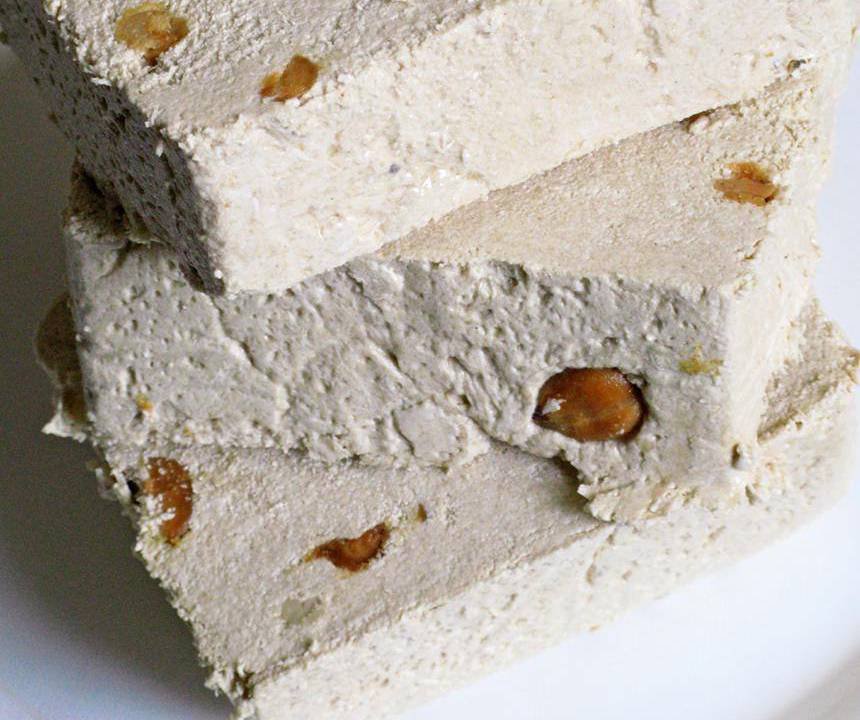
Halva with almonds is a Middle Eastern delicacy that is made with tahini, sugar, and almonds. It has a unique texture that is both crumbly and creamy and a nutty flavor that is simply irresistible.
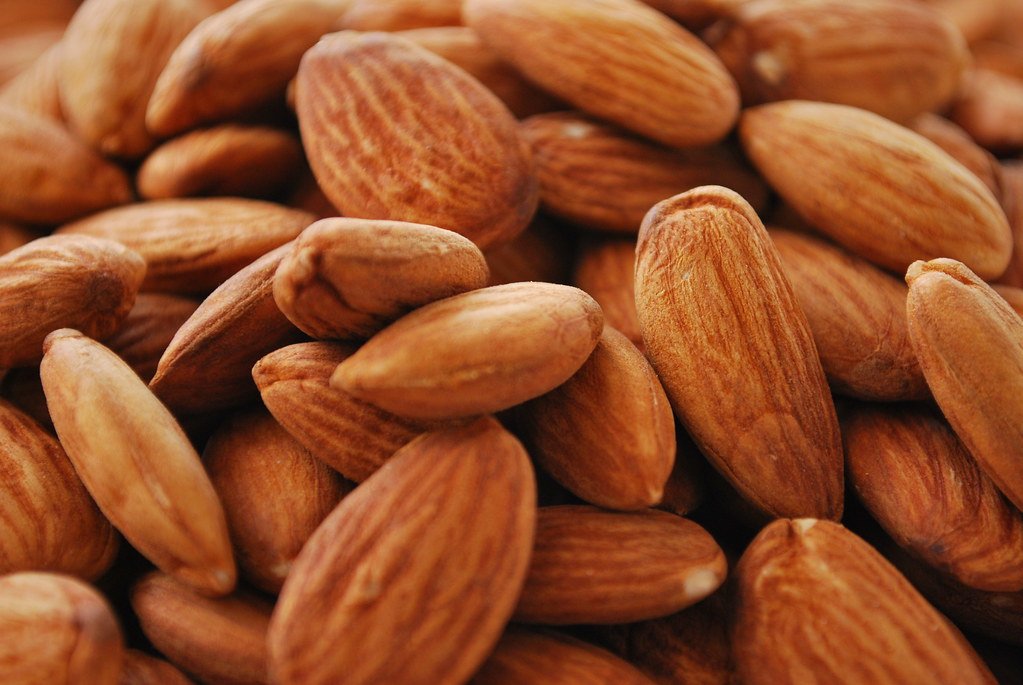
To make it, you will need a few key ingredients. You’ll need whole almonds, sesame seeds, granulated sugar, dark brown sugar, water, salt, tahini, natural almond butter, and vanilla extract.
History of Halva
Halva is a sweet and dense confection that has been enjoyed for centuries across the Middle East, Asia, and Eastern Europe. The word “halva” comes from the Arabic word “halwa,” which means “sweetness.” There are many variations of halva, but one of the most popular is halva with almonds.
Origin of Halva with Almonds
Its origins are not entirely clear, but it is believed to have originated in the Middle East. Almonds have been a staple of Middle Eastern cuisine for thousands of years, and they are often used in desserts and sweets.
One theory is that this halva was created in Persia (modern-day Iran) during the Safavid dynasty (1501-1736). During this time, Persia was known for its exquisite cuisine, and this treat was likely one of the many sweet treats enjoyed by the royal court.
Cultural Significance
This dessert has cultural significance in many parts of the world. In the Middle East, it is often served during religious holidays and special occasions. In Turkey, it is a popular dessert served during Ramadan. However, in India, it is known as “sooji ka halwa” and is often served at weddings and other celebrations.
In addition to its cultural significance, it is also known for its nutritional benefits. Almonds are a good source of protein, healthy fats, and fiber, and they are also rich in vitamins and minerals.
Ingredients:
- ¾ cup of toasted and roughly chopped whole almonds, divided
- 3 tablespoons of toasted sesame seeds, divided
- 1 cup of granulated sugar
- ½ cup of dark brown sugar
- ½ cup of water
- ½ teaspoon of salt
- 1 cup of well-stirred tahini
- ½ cup of well-stirred natural almond butter
- 1 teaspoon of pure vanilla extract
How To Make Halva with Almonds?
- Preheat the oven to 350°F and grease and line an 8½ x 4½-inch loaf pan with parchment paper. Leave a 2-inch overhang on the longer sides to make it easy to unmould later.
- Next, mix ¼ cup of the chopped almonds and 1 tablespoon of the sesame seeds in a small bowl and set it aside.
- In a medium, heavy-bottomed saucepan, combine the granulated sugar, dark brown sugar, water, and salt. Put the pan on medium-low heat until the sugar completely dissolves, and the mixture feels smooth. Increase to medium heat, stir until it begins to boil, and don’t stir anymore. Attach a thermometer, ensuring it doesn’t touch the pan bottom. Cook until it reaches 250°F, the hard ball stage.
- As the sugar syrup slowly reaches the hard ball stage, put a medium saucepan with about 2 inches of water on medium-high heat. Bring it to a boil, then reduce the temperature to low so the water simmers gently.
- In a big, heat-resistant bowl, mix the tahini, vanilla extract, and almond butter. Put the bowl over the pot of hot water, making sure it doesn’t touch the water’s surface. Stir until well mixed and warmed. Add the remaining ½ cup of almonds and sesame seeds, keeping it warm and stirring occasionally.
- When the sugar syrup reaches a few degrees below 250°F, carefully take the bowl of tahini off the pot, wiping off any moisture from the bottom. Once the sugar syrup reaches the correct temperature, promptly remove it from heat. If possible, slowly pour the sugar syrup into the tahini mixture with one hand while continuously stirring with a heatproof spatula in the other hand. Alternatively, if you have a helper, one person can pour the sugar syrup into the bowl while the other person stirs. Mix until the mixture starts to pull away from the bowl, which usually takes about 30 seconds. Be cautious not to overmix, as it may cause the mixture to become crumbly.
- Without losing time, pour the mixture into the ready loaf pan, smoothing the top, and sprinkle the reserved almond-sesame seed mix over the halva, gently pressing it down. Let the halva cool entirely at room temperature, cover it securely with plastic wrap, and refrigerate for at least 12 hours, preferably 24 hours or more to set and enhance the flavor.
- When ready, take out the halva using the parchment paper overhangs. Use a sharp chef’s knife to cut it into slices or as desired.
Variations of Halva
As a popular dessert worldwide, halva has many variations depending on the region and dietary adaptations. Here are some of the most common variations:
Regional Varieties
Middle Eastern Halva
The Middle Eastern version of halva is made with tahini, a paste made from ground sesame seeds, and sugar syrup. It has a smooth, creamy texture and is often topped with pistachios or almonds.
Indian Halva
In India, halva is made with semolina, ghee, and sugar. It is often flavored with cardamom and garnished with nuts. Indian halva has a crumbly texture and is usually served warm.
Greek Halva
Greek halva, also known as semolina halva, is made with semolina, sugar, and olive oil. It has a dense and moist texture and is often flavored with cinnamon and cloves.
Dietary Adaptations
Vegan Halva
For those following a vegan diet, halva can be made without any animal products. Instead of butter or ghee, plant-based oils like coconut or olive oil can be used. Agave or maple syrup can replace honey.
Gluten-Free Halva
Halva can also be made without gluten-containing ingredients. Instead of semolina or wheat flour, rice flour or cornmeal can be used. Nuts and seeds can also be added for texture and flavor.
Nutritional Information
Caloric Content
A serving of halva with almonds typically contains around 200-250 calories, depending on the brand and recipe. This makes it a relatively high-calorie snack, but the good news is that it is also quite filling, so you may not need to consume as much as you would with other snacks to feel satisfied.
Health Benefits
It can be a healthy addition to your diet when consumed in moderation. Almonds are a great source of healthy fats, protein, and fiber, which can help keep you feeling full and satisfied. They are also rich in vitamin E, which is an antioxidant that can help protect your body from damage caused by free radicals.
Halva itself is also a good source of energy, thanks to its high sugar content. However, it is important to note that this means it should be consumed in moderation, as excessive sugar intake can lead to weight gain and other health problems.
Serving Suggestions
As a versatile and delicious dessert, halva with almonds can be enjoyed in many ways. Here are some serving suggestions to help you make the most of this tasty treat:
Accompaniments
This dessert can be paired with a variety of accompaniments to enhance its flavor and texture. Some popular options include:
Fresh fruit: Sliced strawberries, raspberries, or mangoes can add a burst of sweetness to your halva.
Whipped cream: A dollop of whipped cream can help balance the richness of the halva and add a light, airy texture.
Honey: Drizzle a bit of honey over your halva for a touch of sweetness and a hint of floral flavor.
Tea or coffee: A warm cup of tea or coffee can help cut through the richness of the halva and provide a refreshing contrast.
Presentation Tips
Here are some presentation tips to help you impress your guests:
Use a decorative plate: A colorful or patterned plate can help make your halva stand out and add a touch of elegance to your presentation.
Garnish with almonds: Sprinkle some chopped almonds over your halva to add a crunchy texture and reinforce the almond flavor.
Shape into balls: Roll your halva into small balls and serve them in a bowl or on a platter for a fun and playful presentation.
Drizzle with chocolate: Melt some chocolate and drizzle it over your halva for a decadent and indulgent touch.
Storing Halva
Shelf Life
This halva has a relatively long shelf life, especially when compared to other desserts. When stored properly, it can last for up to six months. However, its shelf life can be affected by factors such as temperature, humidity, and exposure to air.
Best Practices
To ensure that your halva with almonds stays fresh and delicious for as long as possible, here are some best practices to follow:
Store it in an airtight container: store it in an airtight container to prevent exposure to air, which can cause it to dry out and lose its flavor. A sealable plastic container or a glass jar with a tight-fitting lid is ideal.
Keep it in a cool, dry place: store it in a cool, dry place away from direct sunlight and heat sources. A pantry or cupboard is a good option.
Avoid storing it in the refrigerator: Refrigeration can cause it to become hard and dry. It’s best to store it at room temperature.
Check for signs of spoilage: If you store your halva for a long time, it’s important to check for signs of spoilage before consuming it. Look for any discoloration, mold, or off-odors. If you notice any of these signs, it’s best to discard the halva.
Halva in Cuisine
Dessert Menus
Almond halva is a common dessert item on the menus of many Middle Eastern and Mediterranean restaurants. It is often served in small portions alongside other sweets like baklava and Turkish delight. The sweet, nutty flavor of the halva pairs well with strong coffee or tea, making it a popular choice for after-dinner treats.
Some restaurants also offer almond halva as a topping for ice cream or as a filling for pastries like croissants or turnovers. The rich, nutty flavor of the halva adds a unique twist to these classic desserts.
Culinary Uses
Almond halva is not just limited to desserts, however. It can also be used as an ingredient in savory dishes like stews and curries. The sweet flavor of the halva can help balance out spicy or sour flavors in these dishes.
In addition, almond halva can be used as a spread or dip for crackers or fruit. It pairs well with salty cheeses like feta or goat cheese, making it a great addition to a cheese board.
Conclusion
In my opinion, halva with almonds is a delicious and nutritious treat that everyone should try. The combination of sweet and nutty flavors is simply irresistible.
One of the great things about it is that it’s a relatively healthy snack option. Almonds are a good source of protein, fiber, and healthy fats, which can help keep you feeling full and satisfied. Also, halva is made from sesame seeds high in antioxidants and other beneficial nutrients. However, you should consume it in moderation due to the high levels of sugar in it.
When it comes to preparing, there are many different variations to choose from. Some recipes call for additional ingredients like honey or cinnamon, while others stick to the basics. Regardless of the recipe, the result is always a delicious and satisfying treat.
Overall, I highly recommend giving halva with almonds a try. It’s a tasty and healthy snack option that’s perfect for satisfying your sweet tooth.
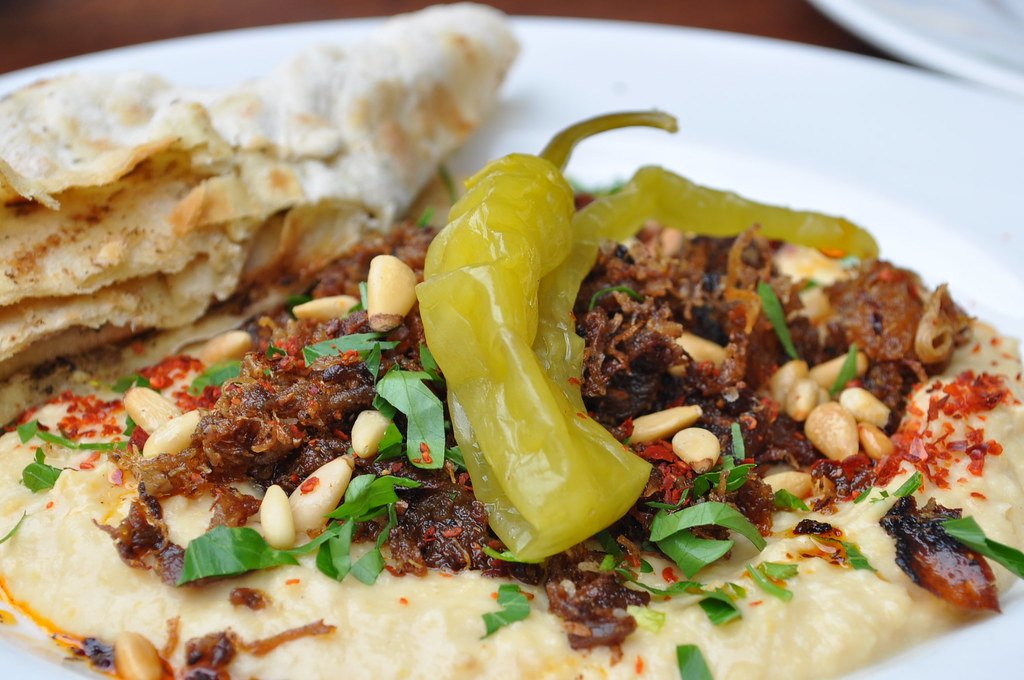
Did you know? This almond halva can be a great dessert after having hummus with lamb
Get its recipe now (by clicking the image below):