Halva with peanuts is a Middle Eastern delicacy that combines the nutty flavor of peanuts with the rich sweetness of halva. It’s the perfect dessert to satisfy your sweet tooth while still feeling light and refreshing.
To make this treat, you’ll need just a few simple ingredients. You’ll need peanuts, sugar, honey, aquafaba or egg white, and water. The peanuts are roasted to bring out their natural flavor and then combined with the other ingredients to create a creamy, sweet mixture. It’s a simple recipe that anyone can make at home, and the result is delicious.
History of Halva
Origins
Halva is believed to have originated in the Middle East, where it was traditionally made with sesame seeds and honey. Over time, different variations of halva have emerged, each with its unique ingredients and preparation methods.
One of the types of halva is made with peanuts. This variation has become particularly popular in the United States, where it is often enjoyed as a snack or dessert. The combination of peanuts and sweet sesame paste creates a delicious and satisfying treat that is perfect for any occasion.
Cultural Significance
Halva has played an important role in many different cultures throughout history. In the Middle East, it is often served during religious holidays and special occasions. In Greece and other Mediterranean countries, halva is enjoyed as a dessert or snack. However, in India, halva is made with semolina and is often served as a breakfast dish.
Regardless of where it is enjoyed, halva is a symbol of hospitality and generosity. It is often shared with friends and family as a way of showing love and appreciation. Today, halva continues to be enjoyed by people all over the world, and its popularity shows no signs of slowing down anytime soon.
Peanuts in Halva
Nutritional Benefits
Peanuts are a great source of healthy fats and protein, which makes them a healthy addition to halva. You can get up to 7 grams of protein and 9 grams of healthy fats in just one serving of halva with peanuts. Additionally, peanuts contain a variety of vitamins and minerals such as Vitamin E, magnesium, and potassium.
Flavor Profile
The addition of peanuts to halva provides a unique flavor profile that is both sweet and nutty. The crunchy texture of the peanuts complements the smoothness of the halva, creating a perfect balance of flavors and textures.
Ingredients:
How to Make Halva with Peanuts?
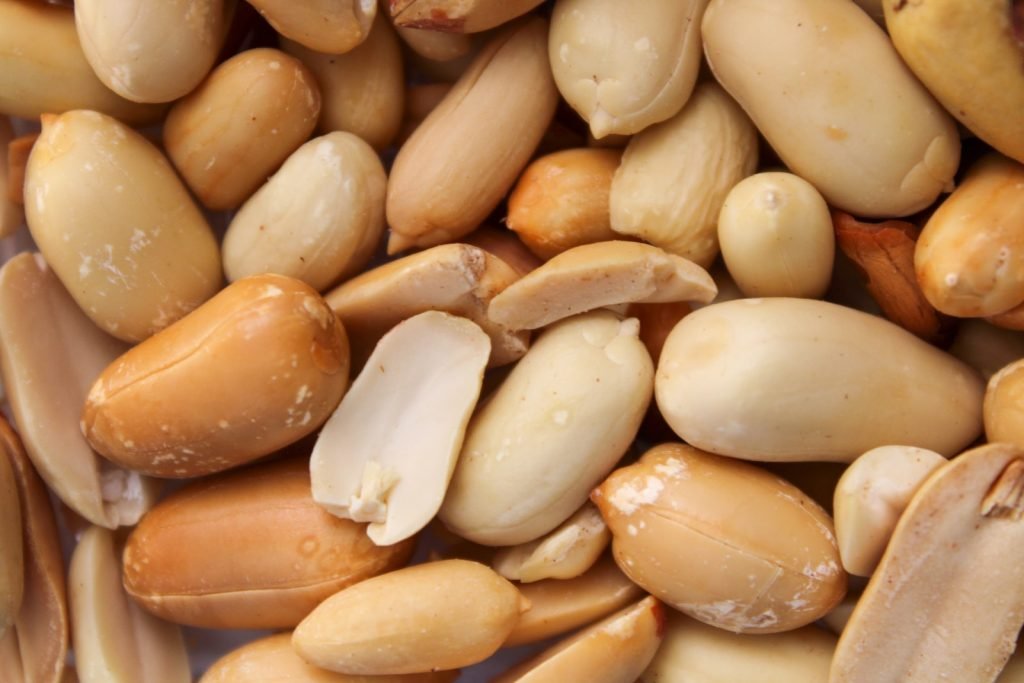
- Dry the peanuts in the oven at 160 °C for 10-12 minutes. Then, create a paste by peeling and grinding the dried nuts using a food processor meat grinder, or coffee grinder. If the mixture doesn’t become a paste, add 1 teaspoon of vegetable oil.
- I prefer to use aquafaba (the liquid leftover from cooked chickpeas). But if you want to use an egg, beat the egg white until it forms a firm foam, adding 1/2 teaspoon of sugar for stability.
- Prepare the syrup by mixing sugar, honey, and water in a saucepan and putting it on low heat. After dissolving the sugar and honey, cook the syrup until it reaches 120 °C. Determine its readiness by ensuring that a trickle of syrup doesn’t immediately pour from the spoon but forms a thread instead.
- Pour the warm syrup gradually into the whipped aquafaba, maintaining a steady stream, whisking the mixture. After adding the syrup, continue beating for 3 minutes.
- Blend the resulting mixture with the peanuts, gently stirring in smooth motions from the bottom to the top.
- Cover an appropriate container with plastic wrap or parchment paper, place the mixture inside, cover it with foil, and refrigerate it in a cool spot.
- Once the peanut halva is slightly compacted, move it to a plate and cover it with a napkin. Allow the peanut halva to air-dry at room temperature or in a cool place for 1-2 days until it reaches the desired density.
Varieties of Halva
Regional Variations
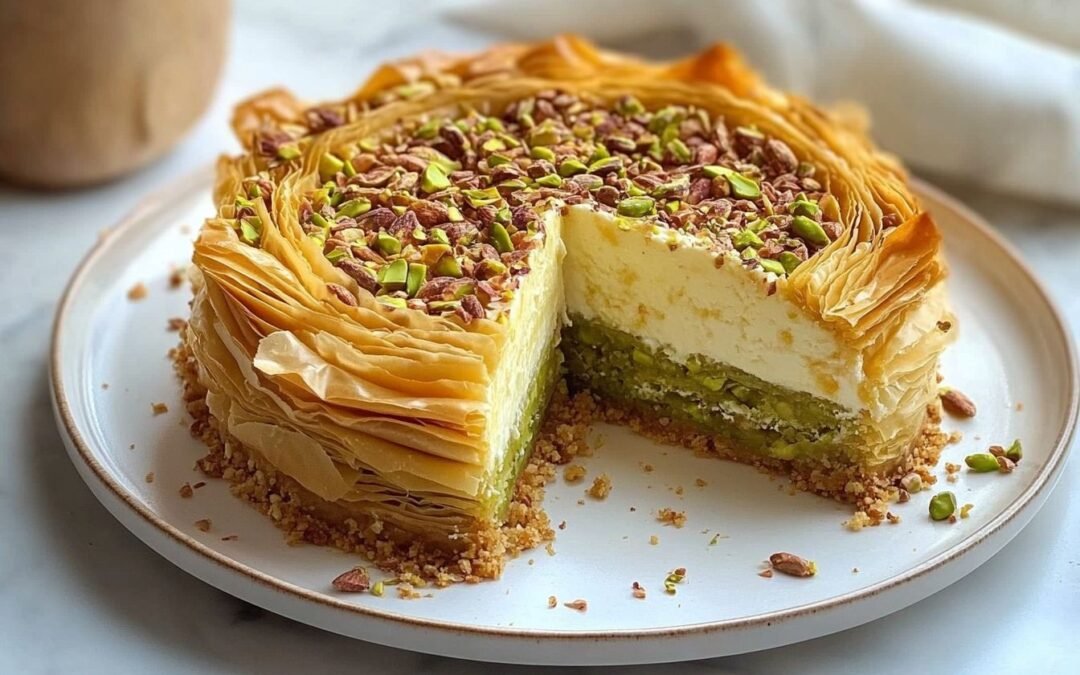
In the Middle East, halva is often made with tahini, a paste made from sesame seeds. Turkish halva, on the other hand, is made with flour, sugar, and butter, and is often flavored with pistachios or cocoa. Indian halva, also known as “halwa,” is made with semolina, ghee, sugar, and milk, and can be flavored with cardamom, saffron, or nuts.
Texture Differences
In addition to regional variations, halva can also differ in texture. Some halva is smooth and creamy, while others are crumbly and dry. The texture of halva depends on the ingredients and preparation method used. For example, tahini-based halva is often smooth and creamy, while flour-based halva is crumbly and dry.
Serving and Pairing Ideas
Desserts
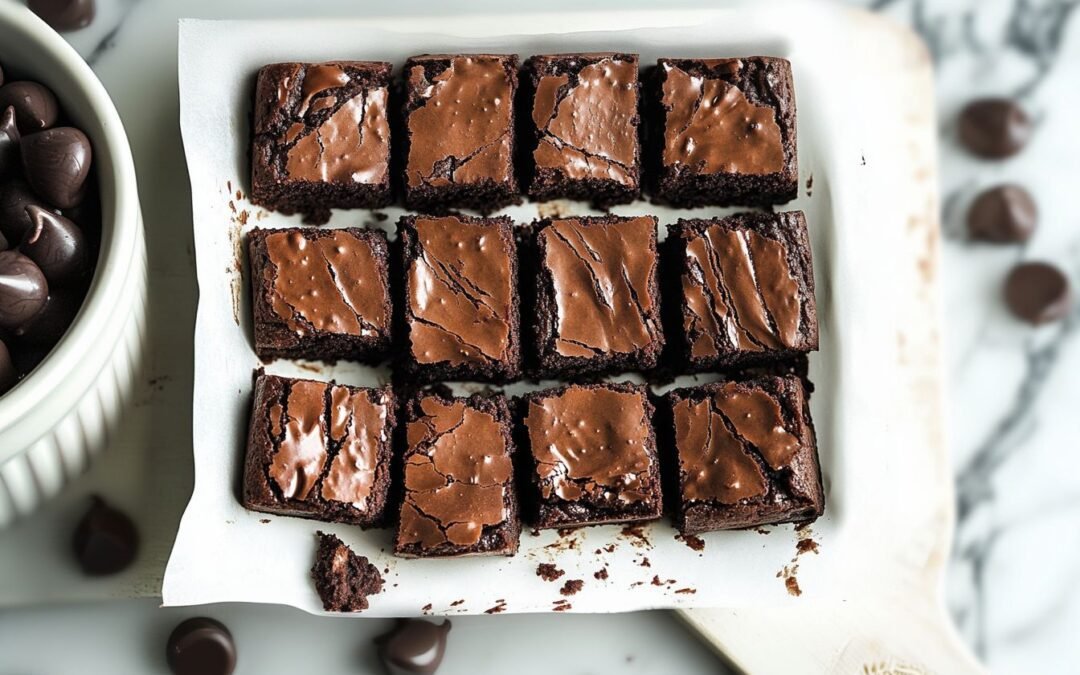
This halva makes for a great addition to many desserts. You can sprinkle it on top of ice cream or yogurt, or use it as a topping for cakes and pies. You can also mix it into your favorite cookie or brownie recipe for an added crunch and nutty flavor.
Snacks
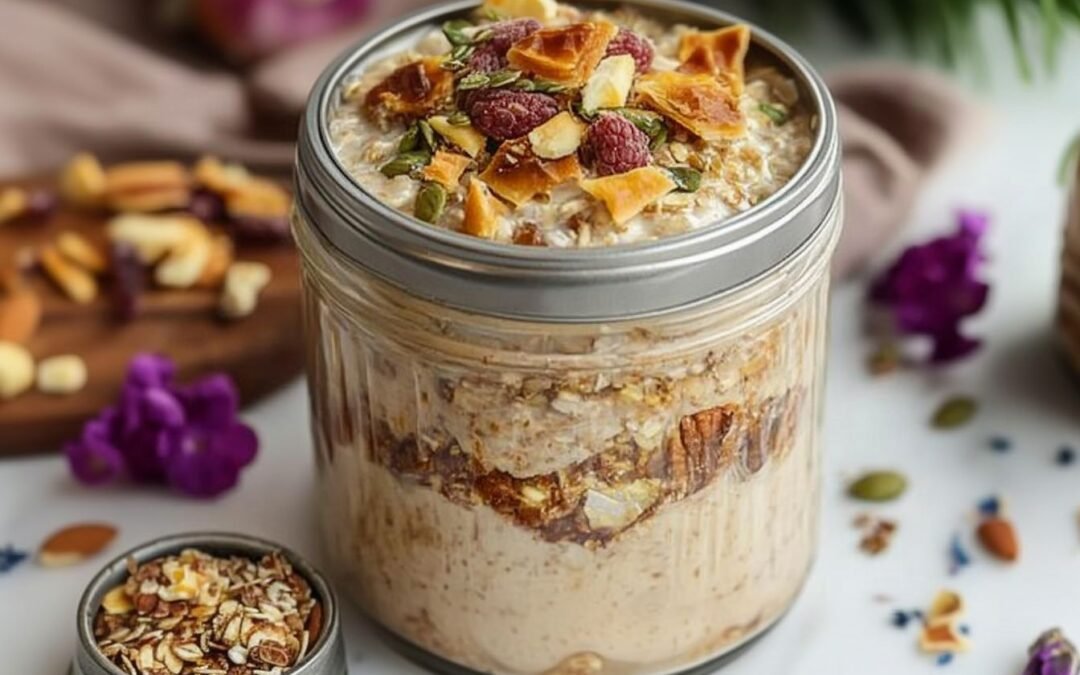
This is a perfect snack for any time of day. You can enjoy it on its own, or mix it with other nuts and dried fruits for a homemade trail mix. You can also use it as a filling for energy bars or protein balls.
Beverage Pairings
It also pairs well with a variety of beverages. You can enjoy it with a cup of coffee or tea for a midday pick-me-up. You can also pair it with a glass of milk or a smoothie for a quick and easy breakfast or snack.
Health Considerations
As with any food, it is important to take health considerations into account when consuming it. I will discuss here allergy information and dietary restrictions related to this particular dish.
Allergy Information
Peanuts are a common allergen, and this halva version may not be suitable for individuals with peanut allergies. It is important to always check the ingredient list before consuming any food and to be aware of cross-contamination risks in food preparation. If you have a peanut allergy, it is best to avoid this halva altogether.
Dietary Restrictions
This is a vegetarian dessert, as it does not contain any animal products. However, it is important to note that halva is a high-calorie food that is also high in sugar and fat. Individuals who are watching their calorie intake or have dietary restrictions related to sugar or fat may want to limit their consumption of this dessert.
Conclusion
I thoroughly enjoyed trying out halva with peanuts and would recommend it to others. The combination of the nutty flavor of the peanuts and the sweet, slightly crumbly texture of the halva was a delightful surprise.
I found that this halva version makes for a great snack or dessert, a healthier alternative to many other sweet treats. The high protein content of the peanuts and the low sugar content of the halva make it a guilt-free indulgence.
Overall, I am impressed with the taste and nutritional value of halva with peanuts. It’s a unique and delicious option that I will be adding to my snack rotation.
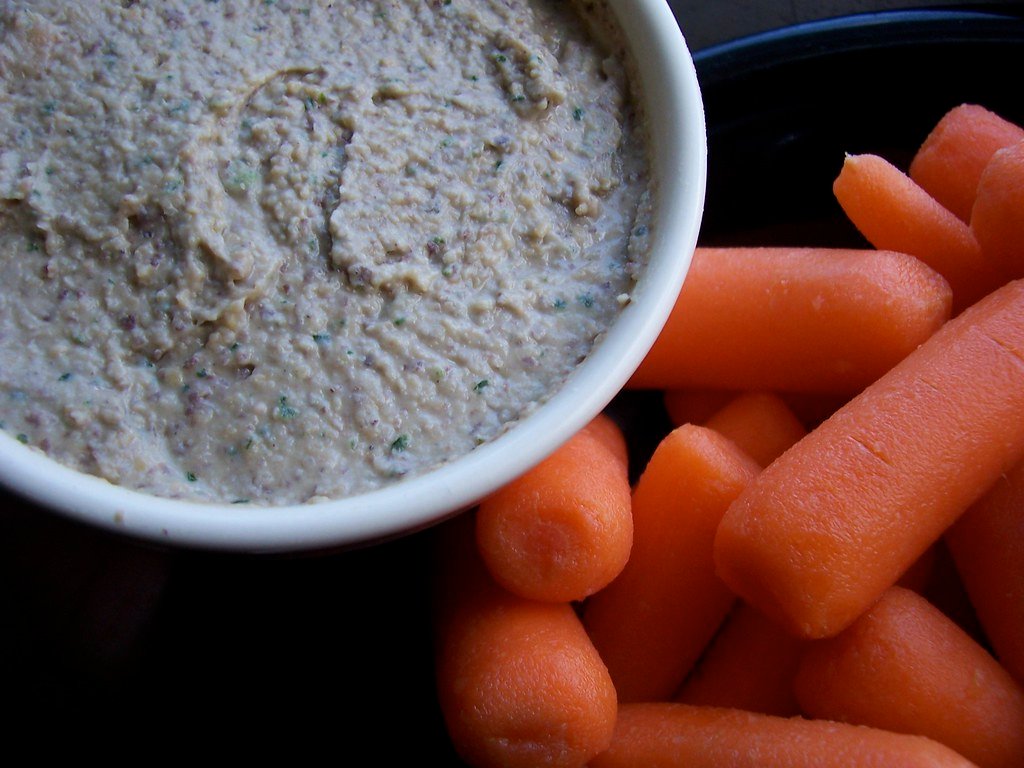
By the way, this halva can be a great dessert after having hummus with black chickpeas!
Get the recipe now (by clicking the image below):