Halva with vanilla is a unique twist on traditional halva adds a subtle hint of vanilla that takes the dessert to a whole new level. It is surprisingly easy to make and turns out to be delicious.
To make this halva, you’ll need just a few simple ingredients: granulated sugar, vanilla bean, lemon zest, tahini, and kosher salt. The combination of these ingredients creates a sweet and nutty flavor with a touch of citrus and vanilla. It’s a perfect dessert to serve after a meal or to enjoy as a midday snack.
History of Halva
Origins
Halva is a sweet confectionery that has been enjoyed for centuries. Its origins can be traced back to the Middle East and India, where it was traditionally made from sesame seeds and honey. Over time, the recipe evolved to include other ingredients such as nuts, dried fruits, and spices.
In the 7th century, halva was introduced to Greece and the Balkans by the Ottoman Turks. It quickly became a popular dessert in these regions and was adapted to include local ingredients such as pistachios and almonds.
Cultural Significance
Halva has been a significant part of various cultures over the years. In the Middle East, people often enjoy it during special religious occasions and celebrations like Eid al-Fitr and Ramadan. In Greece and the Balkans, it is a traditional treat that is served during special occasions such as weddings and christenings.
Halva is also known for its health benefits. Sesame seeds, a key ingredient in many halva recipes, are high in protein, fiber, and minerals such as calcium and iron. Halva is also a good source of energy and is often eaten as a snack to provide a quick boost of energy.
Vanilla in Halva
When I tried halva with vanilla for the first time, I was blown away by the added depth of flavor. Vanilla has a way of enhancing the natural sweetness of halva while also providing a subtle, aromatic note that elevates the entire dessert.
Flavor Profile
Vanilla is a subtle flavor that can easily be overwhelmed by stronger ingredients. But when used correctly, it can add a creamy, sweet note that complements the nutty flavor of halva perfectly. The combination of vanilla and halva creates a rich, decadent dessert that is perfect for satisfying any sweet tooth.
Benefits of Vanilla
In addition to its delicious flavor, vanilla also offers several health benefits. Halva serves as a beneficial source of antioxidants that aid in shielding your body from potential harm caused by free radicals. Vanilla has also been shown to have anti-inflammatory properties, which can help reduce inflammation in the body and potentially lower the risk of certain chronic diseases.
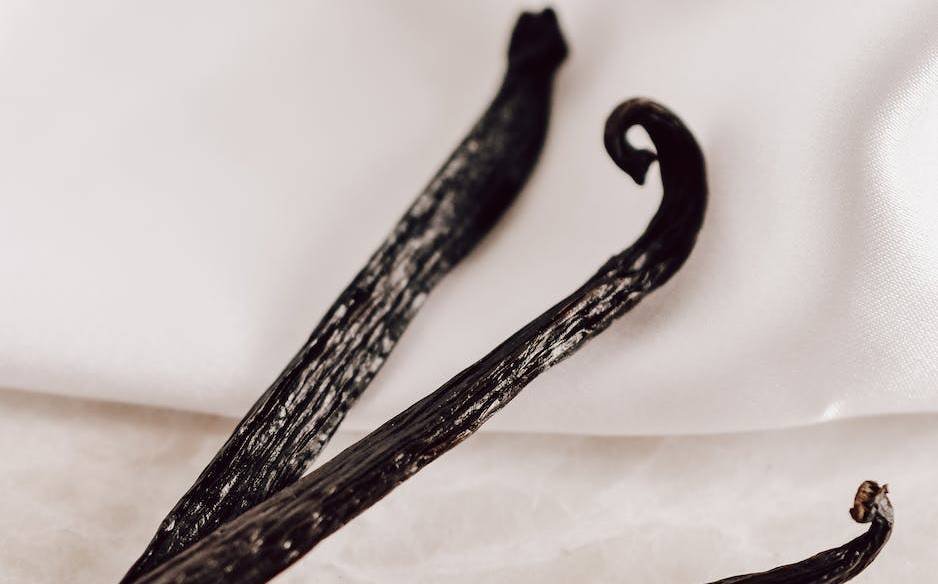
Ingredients:
- 2 cups of granulated sugar
- 1/2 scraped vanilla bean
- 1 1/2 cups of tahini
- Zest of 1 lemon
- Pinch of kosher salt
How to Make Halva with Vanilla?
- Put parchment paper in an 8 by 8-inch baking pan. This will ensure that the halva does not stick to the pan and is easy to remove once it has cooled.
- Now, mix sugar, vanilla seeds, and lemon zest with ½ cups of water in a saucepan over medium heat. Stir until the sugar dissolves, then simmer without stirring until the temperature reaches 245 degrees on a candy thermometer.
- As the syrup is cooking, put the tahini and salt in the bowl of a stand mixer with a paddle attachment. Beat them at medium speed. Gradually pour in the syrup while the mixer is running. Mix until the syrup is blended and the mixture starts to pull away from the bowl’s sides, usually around 30 seconds to 1 minute. Be cautious not to mix too much; we want the halva to have a fudge-like texture, not sandy.
- Use a heatproof spatula to move the mixture quickly into the pan you prepared earlier. Cover it with another piece of parchment and flatten the halva with your hands. Let it cool completely to room temperature, then cut it into squares. You can store the halva at room temperature, tightly wrapped in plastic, for up to a week.
Serving and Pairing Suggestions
Presentation
When it comes to serving, presentation is key. I like to cut the halva into small cubes and arrange them on a platter. This makes it easy for guests to pick up and enjoy. To add a touch of elegance, I sprinkle some crushed pistachios on top of the halva cubes. The green color of the pistachios complements the creamy color of the halva and adds a nice crunch.
Accompaniments
This dessert is delicious on its own, but it can also be paired with other foods to create a more substantial snack or dessert. Here are some of my favorite accompaniments:
- Fresh fruit: Sliced strawberries, raspberries, and blueberries all pair well with halva. The tartness of the fruit balances out the sweetness of the halva.
- Cheese: A mild, creamy cheese like ricotta or mascarpone is the perfect complement to halva. Spread a dollop of cheese on top of a halva cube for a decadent treat.
- Tea: A cup of hot tea is the perfect beverage to enjoy with halva. I recommend a black tea like Earl Grey or Darjeeling to balance out the sweetness of the halva.
Storage and Preservation
Shelf Life
Halva has a long shelf life if stored properly. The shelf life of halva depends on the ingredients used and the storage conditions. Generally, it can last up to six months if stored in an airtight container in a cool, dry place away from direct sunlight.
Best Practices
- Store halva in an airtight container to prevent it from drying out or absorbing any odors from the surroundings.
- Exposure to heat or moisture can cause the halva to spoil or lose its texture and flavor.
- Do not store halva in the refrigerator as this can make the halva turn hard and lose both its texture and flavor.
- Before storing halva, make sure it has cooled down completely to avoid condensation inside the container.
- If you want to store halva for a longer period, you can freeze it. Wrap the halva tightly in plastic wrap and then place it in an airtight container or freezer bag. Halva can be frozen for up to six months.
Health Aspects of Halva
Nutritional Information
Halva is a good source of healthy fats, protein, and fiber. It contains sesame seeds, which are rich in minerals like calcium, magnesium, and iron. Moreover, the vanilla flavoring in halva is a natural antioxidant that can help prevent cell damage.
However, halva is also high in sugar and calories. A typical serving of halva contains 200-300 calories and 15-20 grams of sugar. Therefore, it is important to consume halva in moderation.
Dietary Considerations
This halva is a vegan and gluten-free dessert, making it a good option for people with dietary restrictions. However, some brands of halva may contain additives and preservatives, so it’s important to read the label before purchasing.
Additionally, people with nut allergies should avoid halva, as it often contains sesame seeds, which are a common allergen.
Conclusion
I hope this article has given you a better understanding of halva with vanilla. From my personal experience, I have found that the combination of halva and vanilla creates a unique and delicious flavor that is hard to resist.
When making it, it is important to use high-quality ingredients to ensure the best flavor. Additionally, it is important to follow the recipe carefully to achieve the desired texture and consistency.
Whether you enjoy it as a dessert or a snack, it is a great option for those who are looking for a tasty treat that is also relatively healthy. Halva is naturally gluten-free and vegan, making it a great option for those with dietary restrictions.
In conclusion, if you haven’t yet tried halva with vanilla, I highly recommend giving it a try. Its unique flavor and health benefits make it a great addition to any diet.
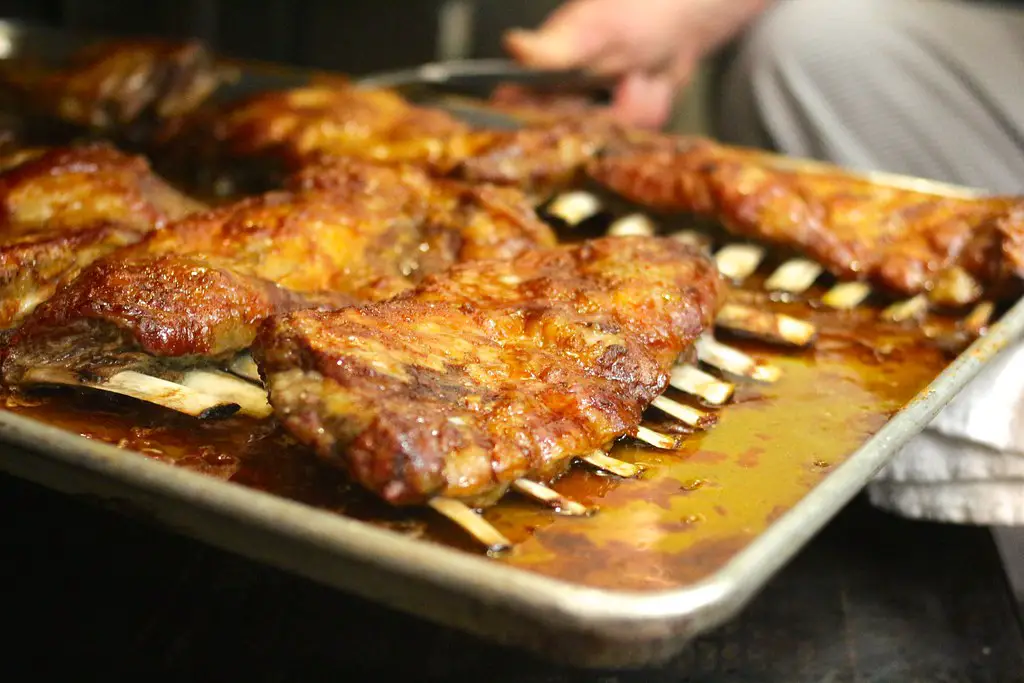
By the way, this dessert is perfect to have after savoring lamb ribs with honey and wine.
Get the recipe now (by clicking the image below):