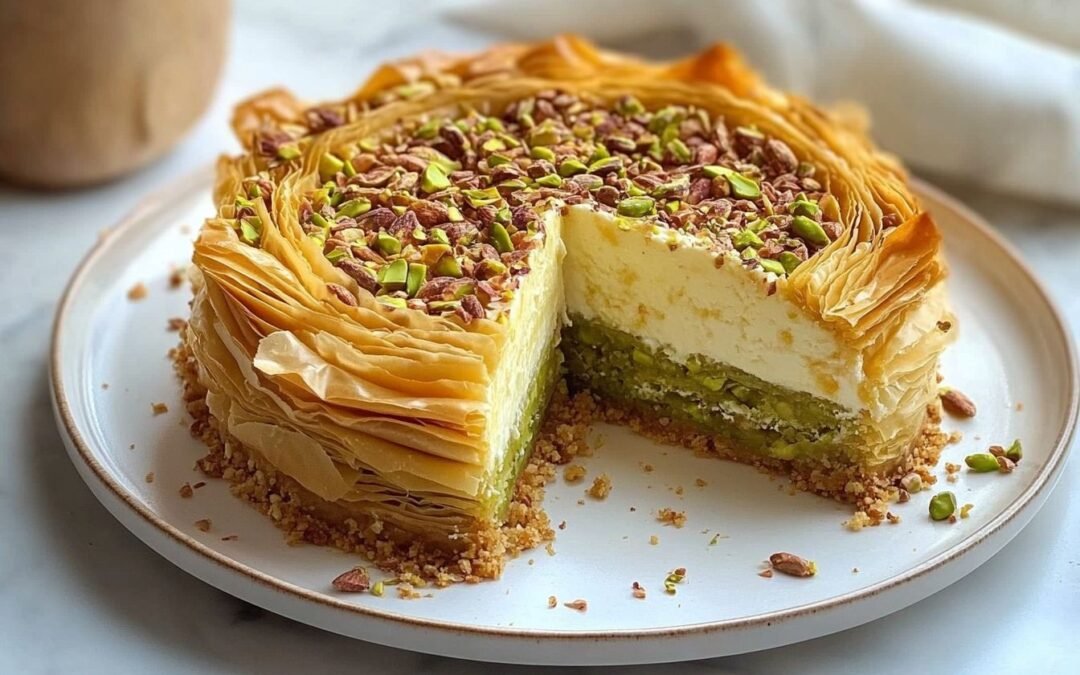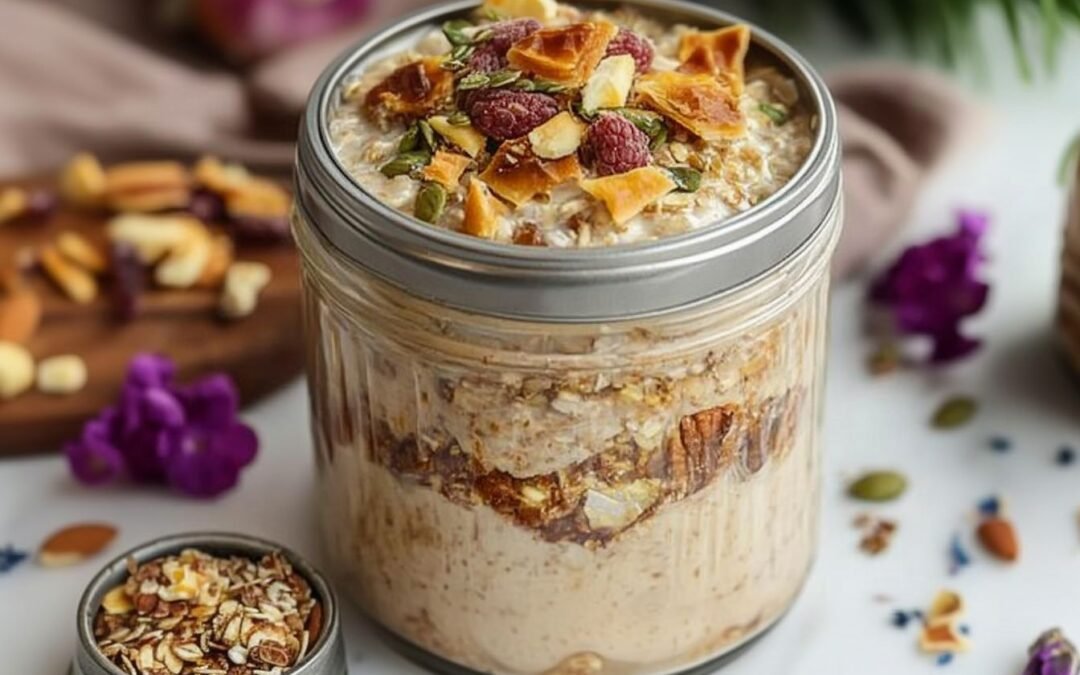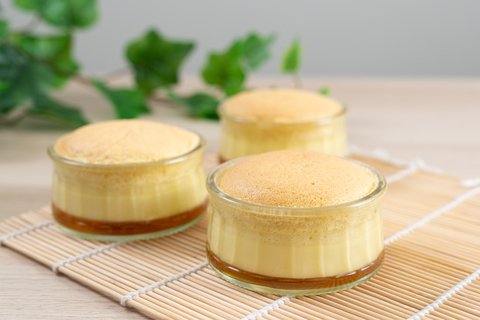
Join me on an exciting journey where we indulge in a delectable homemade Kuwaiti elbah for dessert amidst a chaotic scene when a server accidentally served alcohol to a minor. I begged the owner for the recipe, and I’ll share how I recreated this sweet, nutty pastry at home and why it holds a special place in my heart.
I remember the day clearly, the hot summer sun was beating down on us as my co-worker and I walked into a Middle Eastern restaurant in Charleston, South Carolina. We were both excited to try something new and indulge in exotic flavors. As we took our seats, we couldn’t help but notice the delightful aroma of spices and herbs that filled the air.
After reviewing the menu, we decided on our dishes and were eager to try everything the restaurant offered. As we were enjoying our food, we noticed that the atmosphere in the restaurant had changed. There was some commotion, and we couldn’t figure out what was happening.
Suddenly, we saw one of the servers walking out of the kitchen with a tray of drinks. But something seemed off. We soon realized the server had accidentally served alcohol to a minor dining with their family. The parents were furious and were causing a scene, shouting at the restaurant staff.
During all this chaos, an old Syrian woman served us a platter of homemade Kuwaiti elbah for dessert. The sweet, nutty pastry was made with dates, almonds, and honey and was truly delicious. We savored every bite and enjoyed the perfect balance of sweetness and crunchiness.
As the commotion continued, we started to feel uneasy and decided it was time to leave. Before we paid the bill, I asked the restaurant owner if he could share the recipe for the Kuwaiti elbah with me. At first, the owner was hesitant, explaining that it was a family recipe passed down for generations. However, I persisted and explained how much the dessert meant to me and how I wanted to learn how to make it at home.
After much convincing, the owner finally agreed to share the recipe with me. He wrote it down on paper and handed it to me.
I was extremely happy, and I thanked the owner profusely. I promised to keep the recipe safe and to cherish it as a special memory of our time in the restaurant. As we left the restaurant, I couldn’t help but feel grateful for the experience.
After a week, I gathered all the necessary ingredients and recreated the Kuwaiti elbah. The recipe was straightforward, and I followed the instructions carefully. As I made this dessert, I couldn’t help but think back to our time in the restaurant and the chaos that had erupted around us.
But as I took my first bite of the freshly made Kuwaiti elbah, It transported me back to that moment in the restaurant. Everything was calm, and we were enjoying the delicious food. The dessert tasted just as good as it had in the restaurant. I was thrilled that I had been able to recreate it at home.
To sum up, that day in the Middle Eastern restaurant in Charleston, South Carolina, was one that I will remember for a long time. I learned the power of persistence and the importance of cherishing special memories. The Kuwaiti elbah recipe will always hold a special place in my heart, and I will continue to enjoy it and share it with my loved ones for years to come.
Here is how I created the homemade Kuwaiti elbah in my own kitchen.
Ingredients:
- 5 pieces of eggs
- 2 1/2 cups of whole milk
- 1/2 cup of sugar
- 1 pinch of saffron
- 1/2 teaspoon of cardamom
- 2 teaspoons of vanilla
How to create homemade Kuwaiti elbah?
- Preheat the oven to 300°F (150°C) to prepare for baking.
- In a large mixing bowl, combine the eggs, sugar, and vanilla extract. Use an electric mixer to blend the ingredients until they are thoroughly mixed and smooth.
- Gradually add milk to the mixture while continuing to blend with the mixer.
- To enhance the dessert’s flavor, add crushed saffron threads and ground cardamom. Mix well to ensure that the spices are evenly distributed throughout the mixture.
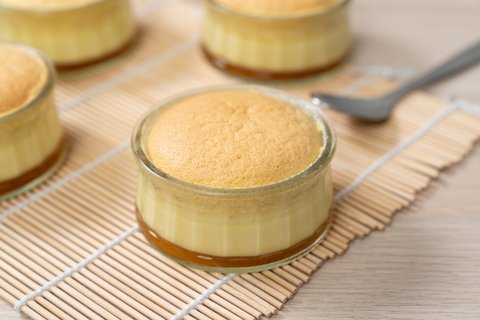
- Carefully ladle or pour the mixture into oven-safe ramekins. Fill each one about two-thirds full to allow for expansion during the baking process.
- Place the ramekins into a deep roasting pan. Fill the pan halfway with warm water to create a water bath, which will help the mixture cook evenly and maintain a smooth texture.
- Cover the roasting pan with a large sheet of aluminum foil, ensuring that the foil wraps around the sides for complete coverage. This will help to retain heat and moisture during the baking process.
- Place the roasting pan in the preheated oven and bake for approximately 45 minutes. The mixture should be set but still slightly wobbly in the center.
- Once the baking is complete, be mindful to keep from burning yourself while taking the roasting pan out of the oven cautiously. Cool the ramekins in the water bath for several minutes. Then move them to a wire rack, where they will fully cool.
- Cover each ramekin with plastic wrap and refrigerate for at least 4 hours or overnight after the elbah have cooled down to room temperature. This chilling process will help the elbah to fully set and develop its flavors.
- When you’re ready to serve your homemade Kuwaiti elbah, remove the ramekins from the refrigerator and enjoy the elbah chilled. This delightful dessert is best accompanied by a strong cup of tea or Arabic coffee. This will add a touch of warmth and indulgence to your dining experience.
With this easy-to-follow guide, you’ll be able to create your very own home Kuwaiti elbah. A delightful Middle Eastern dessert that is sure to impress your family and friends. The blend of fragrant spices and creamy elbah makes for a truly unforgettable treat that will transport your taste buds to the heart of the Arabian Peninsula.
Creating the homemade Kuwaiti elbah in my kitchen was a delicious experience. It allowed me to appreciate the beauty of Middle Eastern cuisine and culture. I encourage you to try making this sweet, nutty pastry and explore different flavors and traditions worldwide. Let this experience inspire you to embrace diversity, connect with others, and celebrate the richness of global cuisine!