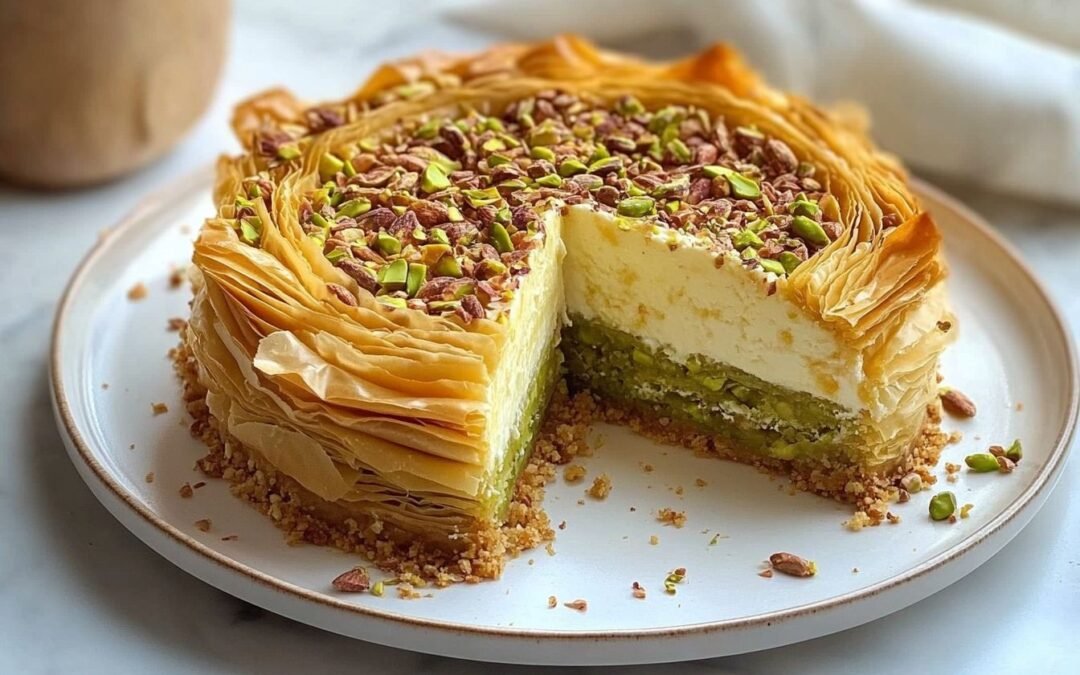
Making kunafa with semolina is a delightful and satisfying experience, especially if you’re a fan of Middle Eastern desserts. Kunafa is a sweet pastry usually made with shredded phyllo dough and a cheese filling, all soaked in a sweet syrup. It’s a popular dessert in many Middle Eastern countries and is often served during special occasions and holidays.
To make kunafa, you will need a few key ingredients, including all-purpose flour, fine semolina, powdered milk, cornstarch, baking powder, melted ghee, lukewarm water, and a cheese mixture made from Ackawi cheese, Nabulsi cheese, fresh mozzarella, and shredded mozzarella. The cheese mixture is what gives kunafa its distinct flavor and texture, so it’s important to get the right balance of cheeses.
In this article, I will guide you through the process of making kunafa step by step, from preparing the dough to assembling the pastry and baking it to perfection. Whether you’re a seasoned baker or a beginner, you’ll find that making kunafa is a fun and rewarding experience that will impress your family and friends. So let’s get started!
Understanding Kunafa
What Is Kunafa?
Kunafa is a Middle Eastern dessert that is made with shredded phyllo dough or semolina and filled with sweet cheese or cream. It is a popular dessert in many Middle Eastern countries and is often served during special occasions such as weddings, Eid, and Ramadan.
History of Kunafa
The origin of the kunafa is not well documented, but it is believed to have originated in the Levant region, which includes modern-day Lebanon, Syria, Israel, and Jordan. It is said that the dessert was created during the Ottoman Empire and was made for the Sultan’s palace.
Over time, the recipe for kunafa has evolved and spread to other parts of the Middle East and beyond. Today, kunafa is enjoyed in many countries worldwide, including Egypt, Iraq, Turkey, and Greece.
Ingredients:
Knafeh Dough
- 2 ½ cups of all-purpose flour
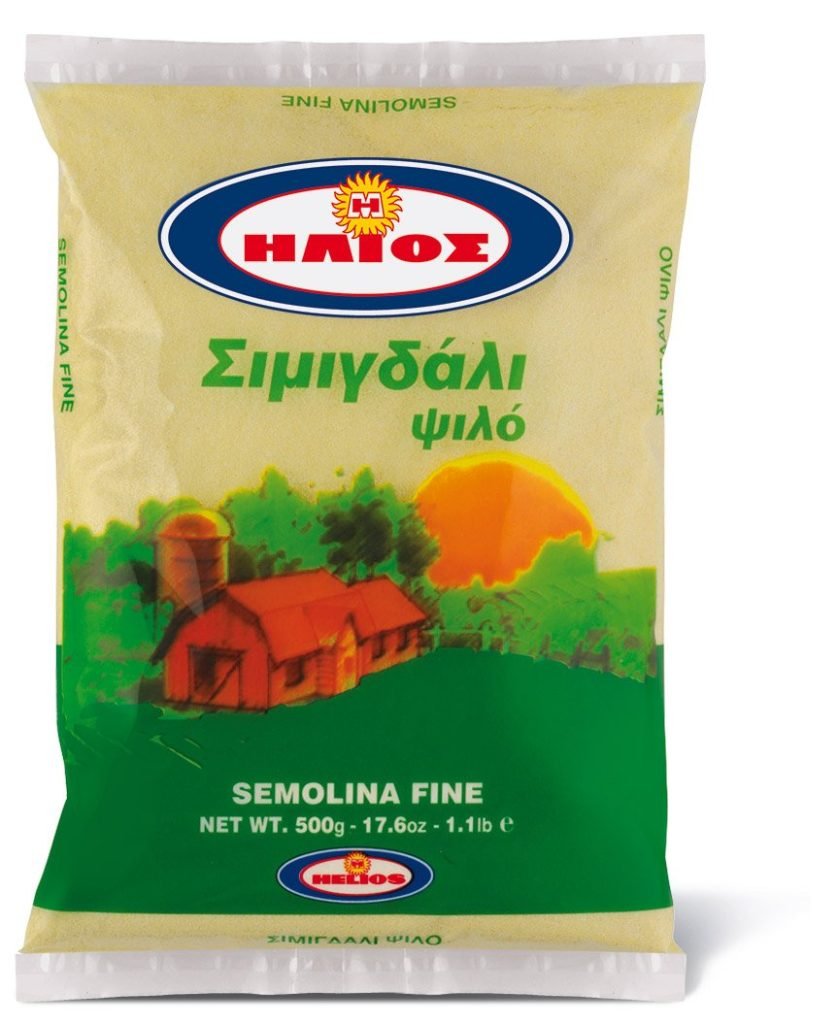
- ¼ cup of fine semolina
- ⅓ cup of powdered milk
- 4 tbsp of cornstarch
- ¾ tsp of baking powder
- ⅓ cup of room-temperature melted ghee
- 1 cup of lukewarm water
- 2 tbsp of lukewarm water
For the Pan
- 3 ½ tbsp of softened ghee (not melted)
- ⅛ tsp of powdered food coloring
Cheese Mixture
- ½ pound of ackawi cheese
- ½ pound of nabulsi cheese
- 8 ounces of fresh mozzarella
- 4 ounces of shredded mozzarella
How to make kunafa with semolina?
Crafting the Knafeh Dough my
- Preheat your oven to the maximum temperature setting (typically 500°F).
- In a bowl, meticulously combine the dry ingredients: flour, semolina, baking powder, and cornstarch.
- Incorporate the powdered milk, ensuring thorough mixing.
- Combine the melted ghee and lukewarm water. Subsequently, knead this mixture with the dry ingredients until a smooth consistency is achieved (approximately 5-10 minutes).
- Roll out the dough to create a uniform 15-inch circle. Transfer it onto a baking sheet lined with parchment paper.
- Crucially, turn off the oven. Place the dough inside the preheated oven for a resting period of 40-45 minutes.
- Once cool, break the dough into manageable pieces and utilize a food processor to grind it into a fine powder.
Assembly and Baking
- Employ ghee and food coloring to create a visually appealing base by spreading them evenly within a 14-inch round pan.
- Firmly press 4 cups of the ground kunafa dough into the pan, ensuring a compact and consistent layer.
- Prepare the cheese components: shred the mozzarella and meticulously chop the ackawi and Nabulsi cheeses into small pieces.
- Layer the cheeses within the pan in a designated sequence: half of the mozzarella, followed by half of the combined ackawi and Nabulsi mixture. Finally, top this layer with the remaining mozzarella.
- Evenly distribute the remaining half cup of ground kunafa dough over the cheese layer.
- Cover the pan with aluminum foil and bake at 450°F for 30-35 minutes. The desired outcome is for the cheese to become bubbly and the edges to achieve a golden brown coloration.
- Upon removal from the oven, utilize a knife to loosen the edges of the kunafa carefully. Subsequently, flip it onto another pan for a visually stunning presentation.
- Generously drizzle the Knafeh with simple syrup, ensuring all edges are coated for optimal sweetness.
- Return the pan to the oven for an additional 5-10 minutes to achieve complete warming.
- As a final flourish, garnish the Knafeh with pistachios for an aesthetically pleasing and flavorful touch.
Serving the Kunafa
Adding Toppings
One of the best things about kunafa is that it can be customized with a variety of toppings. I like to drizzle mine with a generous amount of simple syrup and sprinkle it with chopped pistachios for added crunch. Other popular toppings include shredded coconut, fresh fruit, and honey.
Presentation Tips
- Use a round platter to serve the kunafa, as it will help retain its shape and make it easier to slice.
- Dust the top of the kunafa with powdered sugar to give it a beautiful, finished look.
- Serve the kunafa warm with a scoop of vanilla ice cream on the side for a delicious and indulgent dessert.
Storing and Reheating
Once you have made your delicious kunafa, you may be wondering how to store and reheat it. Here are a few tips to help you keep your kunafa fresh and tasty.
Storing
If there’s any leftover, put it in a sealed container in the fridge for up to 3 days. Let it cool to room temp first. Storing it warm might make it soggy.
Reheating
To reheat the kunafa, preheat your oven to 350°F (180°C). Remove the kunafa from the refrigerator and let it sit at room temperature for about 10 minutes. Then, place it in the oven and bake for 10-15 minutes, or until it’s heated through.
Place a slice of kunafa on a microwave-safe plate for reheating individual servings. Heat it for 30 seconds to 1 minute until it’s warmed through. Be careful not to overheat it, as it can become dry and lose its texture.
Tips
- To keep the kunafa crispy, avoid covering it with plastic wrap or aluminum foil while storing it in the refrigerator.
- To freeze kunafa, wrap it tightly in plastic wrap and aluminum foil before putting it in the freezer. You can keep it for up to 1 month.
- When reheating frozen kunafa, let it thaw in the refrigerator overnight before reheating it in the oven or microwave.
Common Mistakes to Avoid
- Using the wrong type of semolina: It is important to use fine semolina when making kunafa. Using coarse semolina will result in a gritty texture and a less enjoyable dessert.
- Not using enough butter: Kunafa is a rich dessert that requires a lot of butter. Be sure to use enough butter to coat the semolina and give it a rich, buttery flavor. If you don’t use enough butter, your dessert will be dry and lacking in flavor.
- Not baking the kunafa long enough: Kunafa should be baked until it is golden brown and crispy on the outside. If you don’t bake it long enough, it will be soggy and lacking in texture. Be sure to keep an eye on your kunafa as it bakes to ensure that it doesn’t burn.
Conclusion
I hope I delivered how to make kunafa with semolina in this article. Making this kunafa is a fun and delicious way to impress your family and friends. It may seem daunting at first, but with practice and patience, you’ll be able to master this Middle Eastern dessert in no time.
Remember to use high-quality ingredients, especially cheese and syrup, as they can make all the difference in the final product. Don’t be afraid to experiment with different types of cheese or toppings to find the perfect combination for your taste buds.
Additionally, make sure to follow the recipe closely and pay attention to the details, such as soaking the semolina and buttering the pan properly. These small steps can greatly affect the texture and flavor of the kunafa.
Overall, making kunafa with semolina is a rewarding experience that is sure to impress your guests. So why not give it a try and add a new dessert to your repertoire?
Did you know that kunafa is a wonderful dessert after savoring moussaka with potatoes?
Get its recipe now (by clicking the image below):