If you’re a fan of Middle Eastern desserts, you’ve probably come across the creamy and fragrant mahalabia pudding. This traditional dessert is made with milk, sugar, and rice flour, and flavored with rosewater or orange blossom water. But what if you’re vegan or lactose intolerant? Can you still enjoy this delicious dessert? The answer is yes! In this article, I’ll show you how to make a vegan version of mahalabia that’s just as creamy and flavorful as the original.
To make vegan mahalabia, you’ll need a few simple ingredients that you can find in any grocery store. You’ll need rice flour, which you can substitute with white rice if you don’t have it on hand. You’ll also need your favorite non-dairy milk, such as almond milk or soy milk, and some sugar to sweeten the pudding. If you like, you can add some vanilla extract, rosewater, or orange blossom water for extra flavor. To top it off, you can use ground cinnamon, cardamom, chopped nuts, sugar syrup, or dried fruit to garnish the pudding.
What Is Mahalabia?
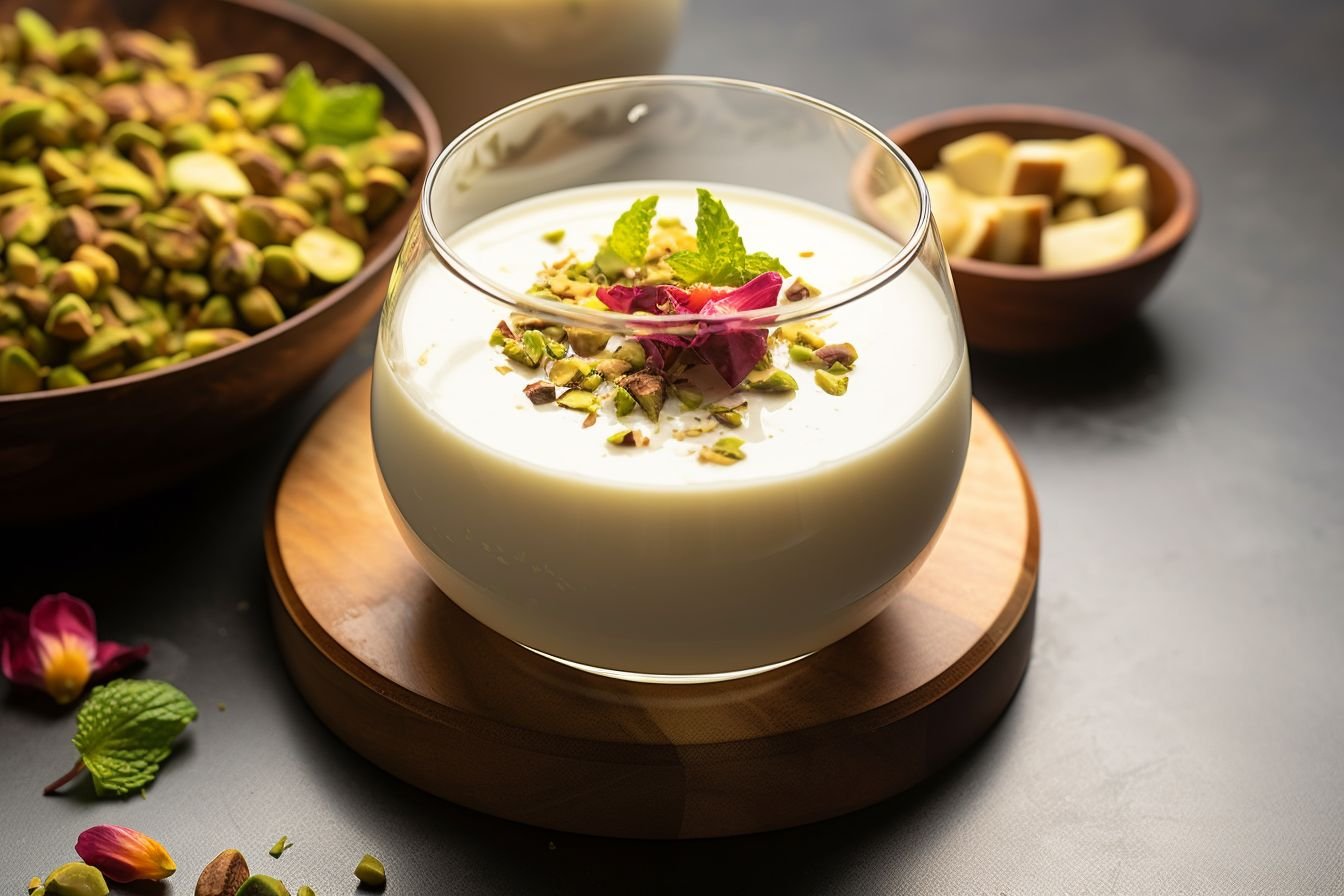
Mahalabia is a creamy, sweet dessert that is typically flavored with rose or orange blossom water. It is made with milk, rice flour, and sugar, and is usually served cold. The pudding has a smooth, silky texture and a delicate floral flavor that makes it a perfect dessert for any occasion.
Origin and Cultural Significance
Mahalabia has a rich history that dates back to ancient times. It is believed to have originated in the Middle East, where it was enjoyed by the wealthy and royalty. Over time, the recipe for Mahalabia spread throughout the region, and it is now a beloved dessert in many countries, including Lebanon, Syria, Jordan, and Egypt.
In many Middle Eastern cultures, Mahalabia is served during special occasions, such as weddings, religious holidays, and family gatherings. It is also a popular dessert for Ramadan, the Islamic holy month of fasting.
Overall, Mahalabia is a delicious and culturally significant dessert that has been enjoyed for generations. As a vegan, I’m grateful to have discovered a plant-based version of this classic dessert, and I encourage everyone to give it a try!
Ingredients:
- 1/4 cup of white rice or rice flour (approx. 1/3 cup)
- 2 cups of plant-based milk of your choice
- 1/4 cup of sugar
- 1/2 tsp of vanilla extract, orange blossom water, or rosewater (optional)
For toppings, I like to use a combination of:
- Ground cardamom
- Ground cinnamon
- Roughly chopped nuts and seeds such as almonds, pistachio, and sesame
- Rose jam
- Sugar syrup
- Dried fruit such as raisins and diced apricots
- Shaved or shredded coconut
How to Make Vegan Mahalabia?
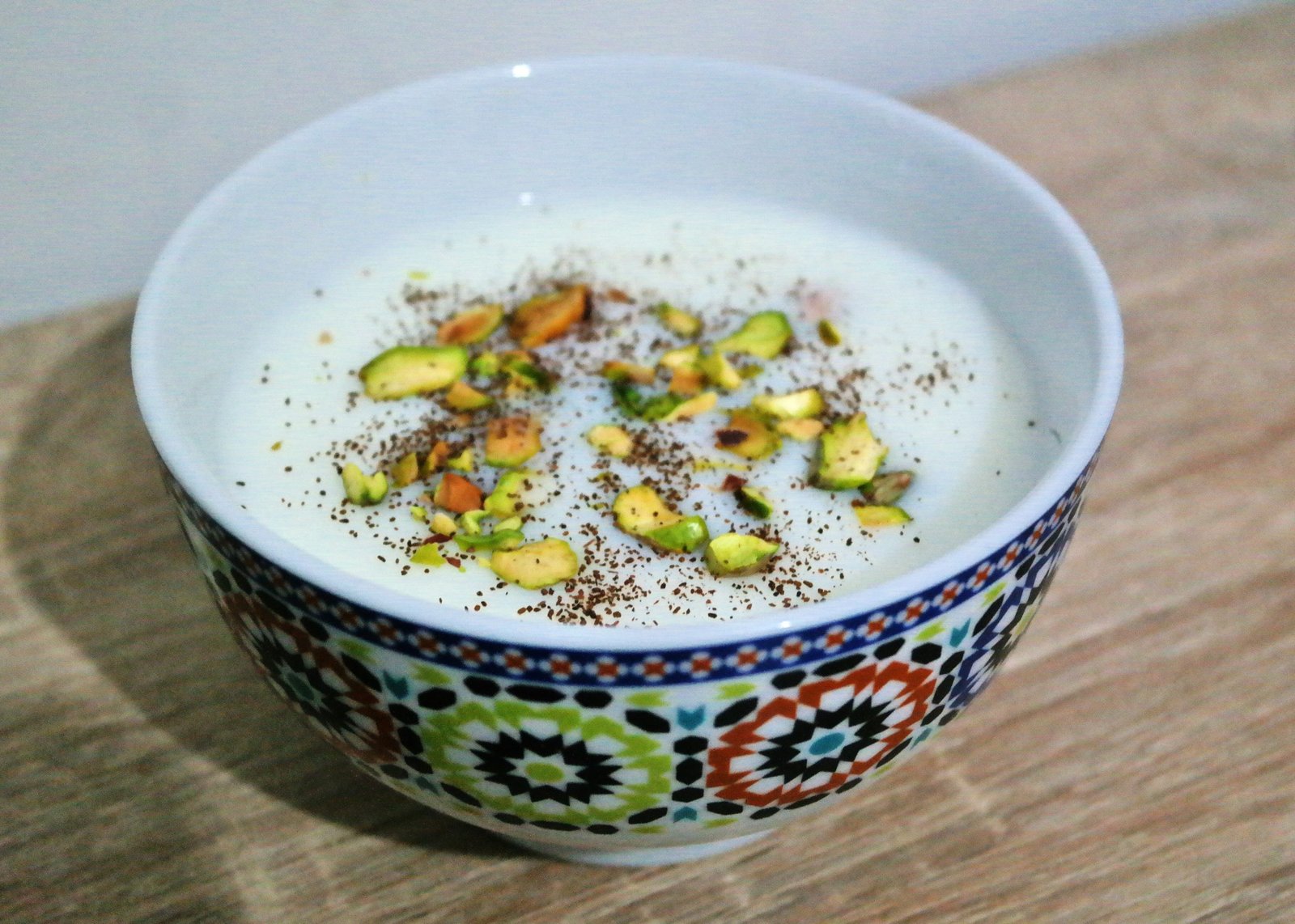
- Making vegan mahalabia is a quick and easy process that requires only a few ingredients. If you have whole rice, grind it until it’s fine flour using a powerful blender like Vitamix or Blendtec.
- After that, blend the rice flour with a cup of almond milk until it’s smooth without any lumps. You can also add vanilla extract if preferred.
- Slowly heat the remaining cup of almond milk in a saucepan until it simmers. While stirring continuously, gradually add the rice-milk blend.
- Reduce the heat to low and put in the sugar while stirring. It’ll start to thicken soon. Simmer a bit more for a thicker pudding.
- Once it’s the thickness you like, pour it into a glass bowl or mold. Top it with chopped nuts, fruit, or a bit of cinnamon if you’d like.
Vegan Mahalabia Recipes
In this section, I’ll share with you some of my favorite vegan Mahalabia recipes that are easy to make and delicious.
Nut-Based Variations
If you’re a fan of nutty flavors, you’ll love these nut-based Mahalabia recipes. Instead of using dairy milk, these recipes call for nut milk such as almond milk or cashew milk.
- Almond Milk Mahalabia: To make this recipe, you’ll need almond milk, cornstarch, sugar, rose water, and pistachios for garnish. Mix the cornstarch with some almond milk, then add the rest of the almond milk, sugar, and rose water. Cook the mixture until it thickens, then pour it into serving cups and chill. Garnish with chopped pistachios before serving.
- Cashew Milk Mahalabia: This recipe is similar to the almond milk version but with a richer, creamier texture. You’ll need cashew milk, cornstarch, maple syrup, vanilla extract, and sliced almonds for garnish. Mix the cornstarch with some cashew milk, then add the rest of the cashew milk, maple syrup, and vanilla extract. Cook the mixture until it thickens, then pour it into serving cups and chill. Garnish with sliced almonds before serving.
Fruit-Infused Mahalabia
For a refreshing twist, try these fruit-infused Mahalabia recipes. These recipes call for pureed fruit, which gives the pudding a fruity flavor and a vibrant color.
- Mango Mahalabia: To make this recipe, you’ll need mango puree, coconut milk, cornstarch, sugar, and shredded coconut for garnish. Mix the cornstarch with some coconut milk, then add the rest of the coconut milk, sugar, and mango puree. Cook the mixture until it thickens, then pour it into serving cups and chill. Garnish with shredded coconut before serving.
- Strawberry Mahalabia: This recipe is similar to the mango version, but with a different fruit. You’ll need strawberry puree, soy milk, cornstarch, agave nectar, and fresh strawberries for garnish. Mix the cornstarch with some soy milk, then add the rest of the soy milk, agave nectar, and strawberry puree. Cook the mixture until it thickens, then pour it into serving cups and chill. Garnish with fresh strawberries before serving.
These vegan Mahalabia recipes are perfect for any occasion, whether you’re hosting a dinner party or just craving a sweet treat. Give them a try and let me know which one is your favorite!
Serving and Presentation
When it comes to serving and presenting vegan mahalabia, there are a few things to keep in mind to make it look as good as it tastes. Here are some tips and ideas to help you make your mahalabia look as delicious as it tastes.
Garnishing Ideas
Garnishing is a great way to add some color and texture to your mahalabia. Here are some garnishing ideas to consider:
- Crushed pistachios or almonds: These nuts add a nice crunch to the smooth texture of the pudding.
- Dried rose petals: Dried rose petals add a touch of elegance and a subtle floral flavor to your pudding.
- Fresh berries: Fresh berries like raspberries or strawberries add a pop of color and a sweet, fruity flavor to your mahalabia.
- Cinnamon: A sprinkle of cinnamon adds warmth and depth of flavor to your mahalabia.
Serving Suggestions
Mahalabia is a versatile dessert that can be served in a variety of ways. Here are some serving suggestions to consider:
- Small bowls or cups: Mahalabia is traditionally served in small bowls or cups. This allows for portion control and makes it easy to serve.
- With fresh fruit: Mahalabia pairs well with fresh fruit, especially berries or sliced peaches.
- With a drizzle of honey: If you want to add a touch of sweetness to your mahalabia, drizzle a little bit of honey on top.
- With a sprinkle of cinnamon: A sprinkle of cinnamon adds warmth and depth of flavor to your mahalabia.
Nutritional Information
As a vegan dessert, mahalabia is a great option for those looking to indulge in something sweet without compromising their dietary restrictions. Here’s a breakdown of its nutritional information.
Caloric Content
A typical serving of mahalabia contains around 150-200 calories. However, this can vary depending on the specific recipe used and the serving size. It’s worth noting that the majority of these calories come from carbohydrates and fats, with very little protein content.
While mahalabia is a delicious treat, it’s important to consume it in moderation as part of a balanced diet. If you’re watching your calorie intake, consider reducing the serving size or opting for a lighter dessert option instead.
Allergen Information
Mahalabia is a vegan-friendly dessert that does not contain any animal products. However, it may contain allergens such as soy, nuts, or gluten depending on the recipe used.
If you have any food allergies or intolerances, it’s important to check the ingredients list carefully before consuming mahalabia. Alternatively, you can make your mahalabia at home using allergen-free ingredients to ensure that it’s safe for you to eat.
Overall, mahalabia is a tasty and satisfying dessert option that can be enjoyed as part of a healthy, balanced diet. By being mindful of its calorie content and potential allergens, you can indulge in this delicious treat without any worries.
Tips and Tricks
Over the years, I have learned a few tips and tricks that I would like to share. These tips will help you make the perfect vegan mahalabia every time!
Use the Right Plant Milk
The type of plant milk you use can affect the texture and flavor of your mahalabia. I recommend using almond milk or coconut milk for the best results. Almond milk will give your mahalabia a nutty flavor, while coconut milk will make it richer and creamier. You can also use soy milk, oat milk, or any other plant milk you prefer, but keep in mind that the flavor and texture may be slightly different.
Adjust the Sweetness
Mahalabia is traditionally a sweet dessert, but you can adjust the sweetness to your liking. I recommend starting with the amount of sugar called for in the recipe and then adding more or less to taste. You can also use a different sweetener, such as maple syrup or agave nectar, instead of sugar.
Use Cornstarch as a Thickener
Cornstarch is the most common thickener used in mahalabia recipes. It gives the dessert a smooth, creamy texture without adding any flavor. Be sure to whisk the cornstarch with a small amount of plant milk before adding it to the rest of the mixture. This will prevent lumps from forming.
Chill Before Serving
Mahalabia is best served chilled, so be sure to refrigerate it for at least a few hours before serving. You can also make it a day ahead of time and store it in the refrigerator until you’re ready to serve. Garnish with chopped nuts, fresh fruit, or a sprinkle of cinnamon just before serving.
By following these tips and tricks, you’ll be able to make delicious vegan mahalabia that will impress your family and friends. Enjoy!
Common Mistakes to Avoid
When making vegan mahalabia, there are a few common mistakes that you should avoid to ensure that your dessert turns out perfectly. Here are a few tips to keep in mind:
Using the Wrong Milk
One of the most important ingredients in vegan mahalabia is plant milk. It’s important to choose milk that has a neutral flavor and a smooth texture. I prefer using almond milk, but you can use any plant milk you desire. Just make sure that it’s unsweetened and unflavored.
Not Letting the Pudding Set
Once you’ve cooked the pudding, it’s important to let it set properly. Don’t be tempted to rush this step, as it can result in a runny pudding. The pudding needs to be refrigerated for at least 2-3 hours, or until it’s completely set. If you’re in a hurry, you can place it in the freezer for 30-45 minutes.
Not Adding Enough Sweetener
While you don’t want your pudding to be overly sweet, it’s important to add enough sweetener to balance out the flavors. I recommend using a natural sweetener like maple syrup or agave nectar. Taste the pudding as you’re adding the sweetener, and stop when it tastes just right.
Overcooking the Pudding
It’s important to cook the pudding until it thickens, but be careful not to overcook it. Overcooking can result in a lumpy and grainy pudding. Keep a close eye on the pudding as it cooks, and stir it constantly to prevent it from sticking to the bottom of the pot.
By following these simple tips, you can avoid common mistakes and make a delicious vegan mahalabia that everyone will love.
Conclusion
I hope you enjoyed learning about vegan mahalabia as much as I enjoyed writing about it. This classic Arabic dessert is not only delicious but also easy to make and customizable to your liking.
By using plant-based milk such as almond, soy, or coconut milk, you can make a vegan version of mahalabia without sacrificing the creamy texture and flavor. Additionally, you can experiment with different toppings such as nuts, fruits, or jams to add a personal touch to the dessert.
Remember, veganism is not only good for your health but also for the environment and animal welfare. By choosing plant-based alternatives, you can reduce your carbon footprint and contribute to a more sustainable future.
So go ahead, try making vegan mahalabia at home and share it with your friends and family. Who knows, it might become your new favorite dessert!
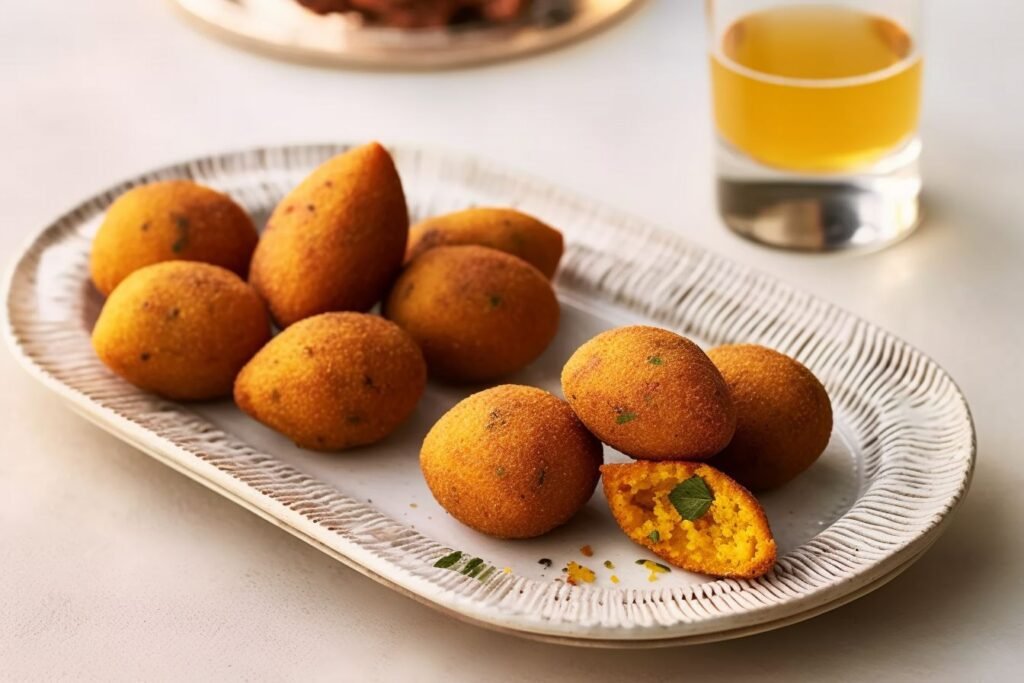
By the way, this can be a dessert after having delicious pumpkin kibbeh balls.
Get the recipe now (by clicking the image below):
Shop the ingredients on Amazon