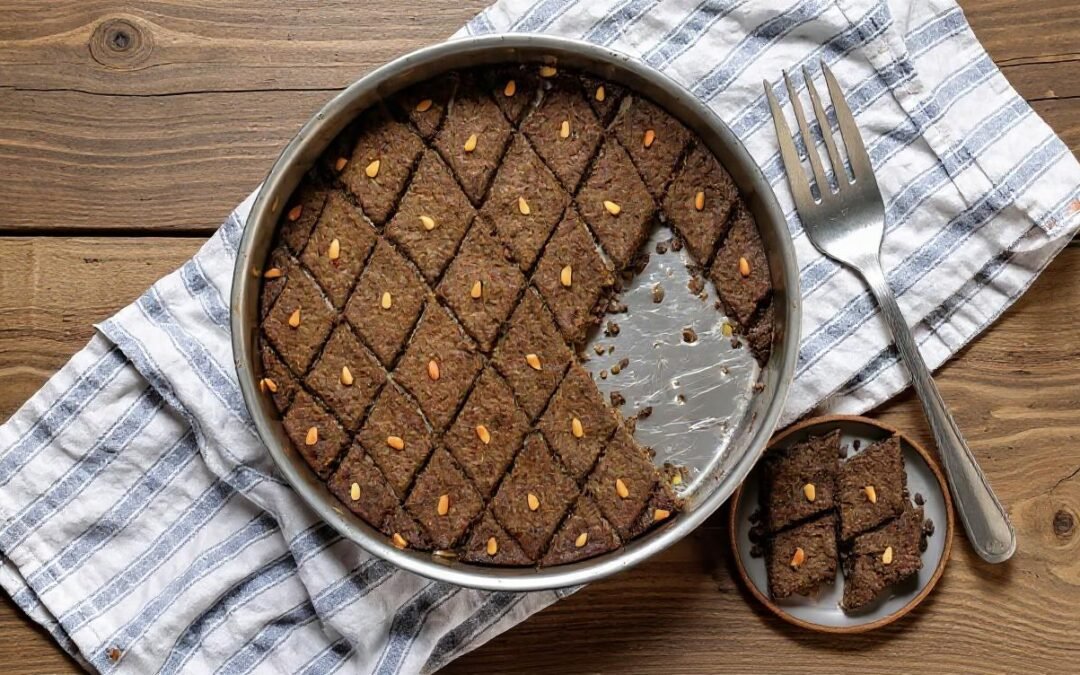
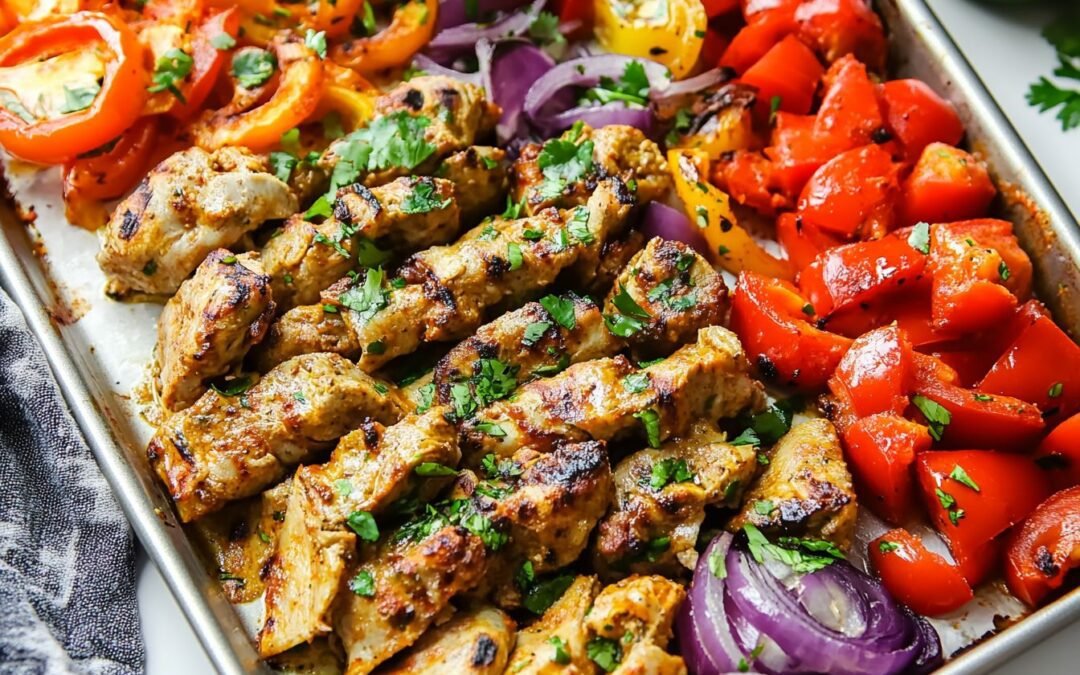
Kubbat halab, also known as Aleppo kibbeh, is a traditional Middle Eastern dish that originated in the Syrian city of Aleppo. This dish is made with a mixture of rice or bulgur wheat, minced meat (usually lamb or beef), onions, and a blend of spices, which are shaped into a large ball or dome and baked in the oven. The dish is served with a variety of accompaniments, such as yogurt, salad, or pickles.
Its origin can be traced back to the medieval era when it was a popular dish among the wealthy classes in Aleppo. Over time, the dish became more widely available and popular throughout the region, and it is now considered a staple of Middle Eastern cuisine. Today, kubbat halab is enjoyed by people all over the world, and it is often served at special occasions and family gatherings.
I had the pleasure of trying this dish during a lunch date with my spouse at a local restaurant in Reno. After perusing the menu, I decided to order it, and a young Middle-Eastern waiter brought it to our table.
During our meal, there was a bit of commotion when one of the employees accidentally set off the fire alarm. After things settled down, I requested the recipe from the restaurant chef, who kindly agreed to share it with me.
The recipe for the mince filling included ground meat, cooking oil, finely chopped onion, salt, black pepper powder, and garam masala powder. As for the rice dough, it called for white rice that was soaked for an hour, water, salt, turmeric powder, and cooking oil for deep frying.
Accompanied dishes
When it comes to serving kubbat halab, there are a few dishes that I love to pair with. These dishes complement the flavors of the main dish and add a variety of textures to the meal. Here are some of my favorite dishes to serve alongside:
- Beet salad: This refreshing salad is a perfect side dish. The sweetness of the beets pairs well with the savory flavors of the main dish. I like to add some feta cheese and walnuts to my beet salad for some extra crunch.
- Harissa sauce: If you like a little bit of spice, then you’ll love harissa sauce with it. This North African chili paste adds a kick of heat to the dish and balances out the richness of the meat.
- Mujadara: This traditional Middle Eastern dish is made with lentils and rice, and it’s a perfect complement to kubbat halab. The earthy flavors of the lentils and the nuttiness of the rice pair well with the meaty flavors of the main dish.
- Rice with vermicelli: This simple side dish is a staple in Middle Eastern cuisine and it’s a perfect pairing for kubbat halab. The vermicelli adds a nice texture to the rice and the mild flavors of the dish complement the bold flavors of the main dish.
Ingredients:
For Mince Filling:
- 400 gr of ground meat (Qeema) of your choice
- 2-3 tbsp of cooking oil
- 1 medium finely chopped onion
- 1 tsp of salt
- 1 tsp of black pepper powder
- 3 tsp of garam masala powder (a blend of all spices)
For Rice Dough:
- 2 cups of white rice, washed and soaked for about an hour
- 4 cups of water
- 1/2 tsp of salt
- 1/2 tsp of turmeric powder
- Cooking oil for deep frying
How to Make Kubbat Halab?
Making the mince filling:
- In a pan, add oil and cook the meat until brown.
- Drain extra fat and mix in onions.
- Fry for 2-3 minutes, then add the salt and the garam masala powder.
- Cover and simmer on low until meat’s soft. Add water if needed.
- After it’s cooked, shut off the heat and let it cool.
- For a twist, toss in some almonds or raisins.
Making the rice dough:
- Put water, salt, and turmeric in a pot and boil.
- Add the soaked rice and wait for the water to boil again.
- Cover and cook on low for about 20 minutes until the water’s gone and the rice is ready.
- To make it mushy for dough, cool the rice a bit, then mash it with a masher, your hands, or in a food processor.
Assembling:
- Dampen your hands so the dough doesn’t stick.
- Grab some dough, roll it into a ball, and poke a hole for the mince filling.
- Close it up tight and shape it like an oval.
- Deep fry it on medium until it’s a light brown color.
Note:
If you want to make it for any occasion, you can make and freeze it. Don’t even need to defrost it before deep frying.
If you want, you can add an egg to the rice dough.
Variations of Kubbat Halab
As I continued to explore the world of Middle Eastern cuisine, I discovered that there are many variations of kubbat halab. Here are a few variations that I found:
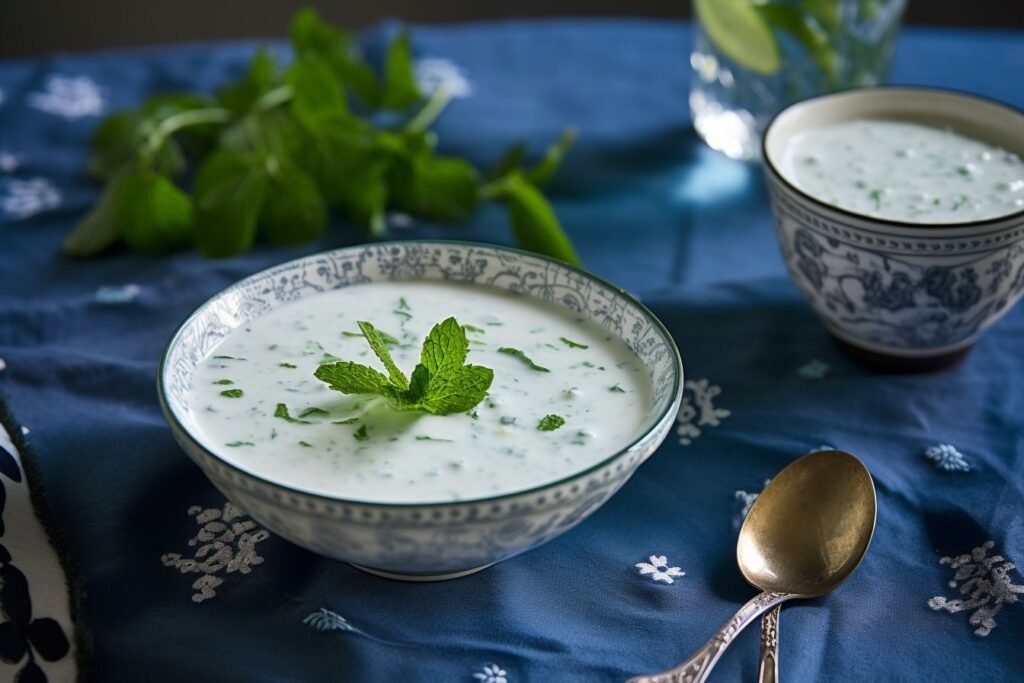
- Kubbat Halab with Yogurt Sauce: This variation is made by adding a yogurt sauce on top of the dumplings. The sauce is made with yogurt, garlic, and mint. The tangy flavor of the yogurt complements its savory taste.
- Vegetarian Kubbat Halab: For those who prefer a vegetarian option, this variation is made with mashed potatoes instead of minced meat. The potatoes are mixed with spices and then stuffed inside the dumplings.
- Kubbat Halab with Tomato Sauce: This variation is made by adding tomato sauce on top of it. The sauce is made with tomatoes, onions, and garlic. The sweetness of the tomatoes balances out the spices in the kubbat halab.
- Kubbat Halab with Lamb: This variation is made by using lamb instead of beef for the minced meat. The lamb adds a unique flavor to the dish and makes it more tender.
Serving and Eating Kubbat Halab
When it comes to serving and eating kubbat halab, there are a few things to keep in mind. First, this dish is typically served as an appetizer or snack, so it’s best to enjoy it with friends or family.
To serve it, it’s common to place the fried balls on a platter and sprinkle them with chopped parsley or cilantro for a pop of color and flavor. Some people also like to add a drizzle of lemon juice or tahini sauce on top.
When it comes to eating, there are a few different ways to enjoy it. Some people like to dip the balls in a sauce, such as tahini or yogurt, before taking a bite. Others prefer to eat them plain and savor the crispy exterior and flavorful filling.
One thing to keep in mind is that this dish can be quite filling, so it’s best to enjoy it in moderation. It’s also important to note that this dish is typically fried, so it’s not the healthiest option out there. However, it’s a delicious treat that’s perfect for special occasions or when you’re in the mood for something indulgent.
Conclusion
In conclusion, kubbat halab is a fascinating dish that is steeped in history and culture. Throughout my research, I have discovered that there are many different variations of this dish, each with its unique flavor profile. Some are made with lamb, while others are made with beef or chicken. Some are filled with pine nuts, while others are filled with ground meat.
Despite these differences, one thing is clear: this is a dish that is loved by many. It is a staple of Iraqi cuisine and is enjoyed by people all over the world.
If you have never tried kubbat halab before, I highly recommend that you give it a try. It is a dish that is sure to tantalize your taste buds and leave you wanting more.
Did you know? This dish pairs perfectly with cucumber yogurt salad.
Get the recipe now (by clicking the image below):