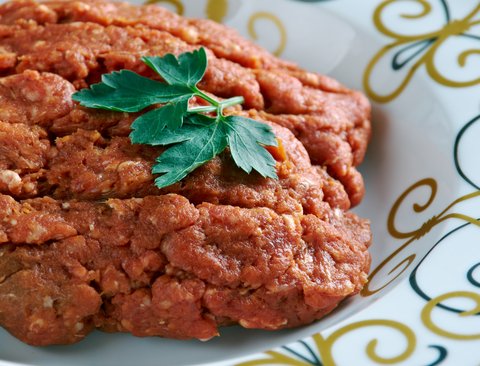
When I think of Lebanese cuisine, one dish that stands out is Kibbeh Nayeh. This raw lamb or beef dish often served with a blend of spices and herbs, embodies the rich flavors of Lebanon and offers a unique culinary experience. It’s not just a meal; it’s a celebration of tradition and freshness that can impress when shared with friends or family.
To prepare this delicacy, you’ll need an assortment of ingredients including fine bulgur, leg of lamb or eye of round beef, kosher salt, freshly ground black pepper, pureed sweet onion, ice water, cinnamon, cayenne pepper, extra virgin olive oil, and fresh mint leaves. Each component contributes to the overall taste and texture, making it a delightful dish that is worth trying.
Kibbeh Nayeh is often enjoyed as an appetizer, paired with a warm pita or vegetables. The simplicity of the preparation highlights the quality of the ingredients, making it a must-try for anyone looking to explore the depths of Lebanese flavors.
What Is Kibbeh Nayeh?
Kibbeh Nayeh is a traditional Lebanese dish that I love. It’s a raw dish typically made with finely ground lamb or beef mixed with bulgur, spices, and aromatic herbs.
The bulgur binds everything together, giving it a unique texture. I usually serve Kibbeh Nayeh with side dishes like fresh vegetables, pickled items, and pita bread.
Eating it is not just about the taste. It’s also about the experience of sharing a meal. I like having it with friends and family, often accompanied by a refreshing drink like Arak.
Ingredients
- 2 cups of fine bulgur
- 2 lbs of leg of lamb or eye of round beef (with no fat)
- 1-2 tbsp of salt
- Ground black pepper, to taste
- 1 medium sweet onion, finely chopped
- 1-2 cups of ice water
- 2 tsp of cinnamon
- 1/4 tsp of cayenne pepper
- 2-3 tbsp of extra virgin olive oil
- Fresh mint leaves
How to make Lebanese Kibbeh Nayeh?
- Begin by thoroughly rinsing the bulgur under cold running water, ensuring the removal of any residual impurities.
- Subsequently, submerge the rinsed bulgur in cold water, maintaining a water level approximately half an inch above the bulgur’s surface.
- Allow the bulgur to soak undisturbed for 30 minutes, enabling it to achieve optimal softening.
- Procure high-quality meat and, for enhanced texture and safety, either request a triple grinding from a reputable butcher using sterile blades or perform the grinding yourself.
- Prior to grinding, portion the meat into segments roughly 4 by 2 inches, lightly season with salt and pepper, and then freeze for a period of 30 minutes.
- Utilize a meat grinder to process the chilled meat, selecting either large or small grinding holes to achieve the desired coarse or fine texture.
- Maintain a bowl of ice water readily available to periodically cool your hands during the kneading process.
- In a spacious mixing bowl, combine the finely ground meat with pureed onion and half of the pre-soaked bulgur, ensuring any excess moisture is thoroughly extracted from the bulgur.
- Moisten your hands with water as needed, incorporating approximately a quarter cup of water into the mixture while kneading.
- Gradually introduce the remaining bulgur, meticulously kneading until all components are uniformly integrated.
- Season the kibbeh mixture with salt, pepper, cayenne, and cinnamon, adjusting the seasoning to taste.
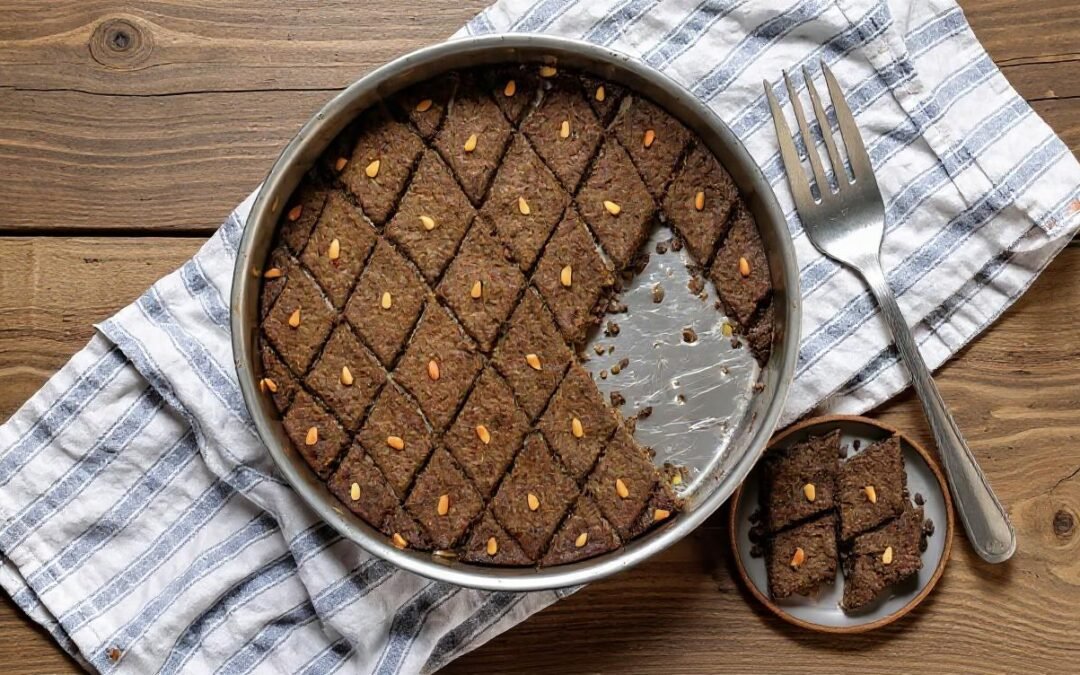
- Shape the prepared kibbeh into an oval dome on a serving platter, creating a decorative cross pattern with your finger.
- Garnish the kibbeh with fresh mint, thinly sliced sweet onion, and toasted pine nuts for visual appeal and enhanced flavor.
Serving Suggestions
Traditional Presentation
Kibbeh Nayeh is typically served on a large platter. I prefer to shape the mixture into a dome or oval form for visual appeal. It’s common to create shallow indentations on the surface. This allows extra olive oil and spices to rest.
I like to garnish with fresh herbs, such as parsley or mint. These not only add decoration but also a fresh aroma that enhances the dish’s richness. Serving it with a drizzle of high-quality olive oil makes it even more delicious.
Accompaniments
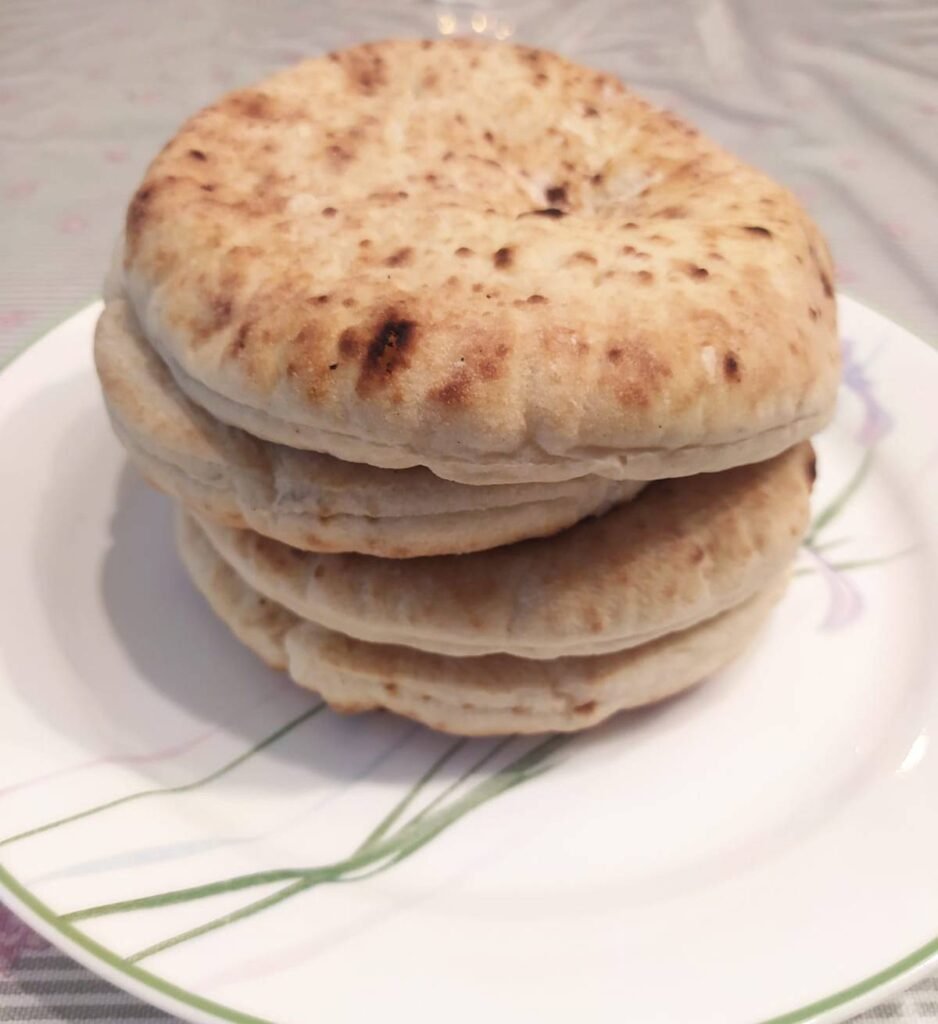
Kibbeh Nayeh pairs beautifully with a variety of sides. I often offer freshly baked pita bread for a perfect scoop. The warm bread complements the dish’s texture.
Adding tangy pickles, like cucumber or turnip, creates a delightful contrast. Their crunchiness balances the smoothness of the kibbeh.
I also enjoy serving a side of labneh, which is a tangy yogurt spread. It adds creaminess and cooling notes that enhance the dish. Fresh vegetable assortments, such as tomatoes and radishes, complete the meal beautifully.
Health and Safety Considerations
Raw Meat Risks
Using raw meat in Kibbeh Nayeh brings certain health risks, primarily due to harmful bacteria like E. coli, Salmonella, and Listeria. It’s essential to choose high-quality meat from trustworthy sources. I always opt for fresh, lean cuts, preferably from a trusted butcher.
To minimize risks, I check the color and smell of the meat. If it appears discolored or has an off odor, I discard it. Additionally, cross-contamination is a concern, so I use separate cutting boards and utensils for raw meat and other ingredients.
Storage and Shelf Life
Proper storage is vital to keep Kibbeh Nayeh safe and fresh. Ideally, the dish should be consumed immediately after preparation. If I need to store it, I ensure it’s kept in an airtight container in the refrigerator at 32°F to 40°F (0°C to 4°C).
Kibbeh Nayeh can last up to 24 hours in the fridge. After this period, I avoid eating it to prevent any potential foodborne illness.
Freezing is not recommended, as it alters the texture and taste. Always check the meat for any signs of spoilage before consumption.
Safe Consumption Tips
To enjoy Kibbeh Nayeh safely, I follow a few straightforward guidelines. First, I ensure that my hands, utensils, and surfaces are clean before preparing the dish. Frequent handwashing with soap is a must.
When serving, I avoid letting the dish sit at room temperature for more than two hours. If I’m at a gathering, I keep the kibbeh chilled in a cooler if it’s warm outside.
Lastly, I pay attention to my body. If I experience any unusual symptoms after eating raw meat, I consult a healthcare professional promptly.
As mentioned above, scoop the kibbeh nayeh with warm homemade pita bread.
Get its recipe now (by clicking the image below):