The Baba ganoush recipe without oil is a twist on the classic Middle Eastern dish that is enjoyed by many around the world. Made from roasted eggplants, tahini, garlic, and lemon juice, this dish is known for its creamy texture and smoky flavor. However, traditional recipes often call for the use of oil, which can make it a less healthy option.
For those who are looking for a healthier alternative, there is a recipe for baba ganoush without oil that is just as delicious. To make this recipe, you will need a large eggplant, tahini, garlic, lemon juice, salt, and smoked paprika (optional). By omitting the oil, this recipe cuts down on unnecessary calories and fat, making it a great option for those who are watching their weight or trying to eat healthier.
Understanding Baba Ganoush
History and Origins
Baba ganoush’s origins can be traced back to the Levant region, which includes countries such as Lebanon, Syria, and Israel. The dish has been enjoyed for centuries in this region and has since spread in popularity throughout the world.
Health Benefits
Baba ganoush is a healthy and nutritious dish that is rich in vitamins and minerals. Eggplants, the main ingredient in baba ganoush, are a great source of dietary fiber, potassium, and antioxidants. Tahini, a paste made from ground sesame seeds, is also a good source of healthy fats and protein. Additionally, baba ganoush is a low-calorie, low-carb dish that is perfect for those following a healthy diet.
Traditional Ingredients
While there are many variations of baba ganoush, the traditional recipe calls for eggplant, tahini, garlic, lemon juice, and salt. Some recipes may also include parsley, cumin, or paprika for added flavor. The result is a creamy and delicious dip that is perfect for serving with pita bread or vegetables.
Ingredients:
- 1 large eggplant (approximately 34 oz)
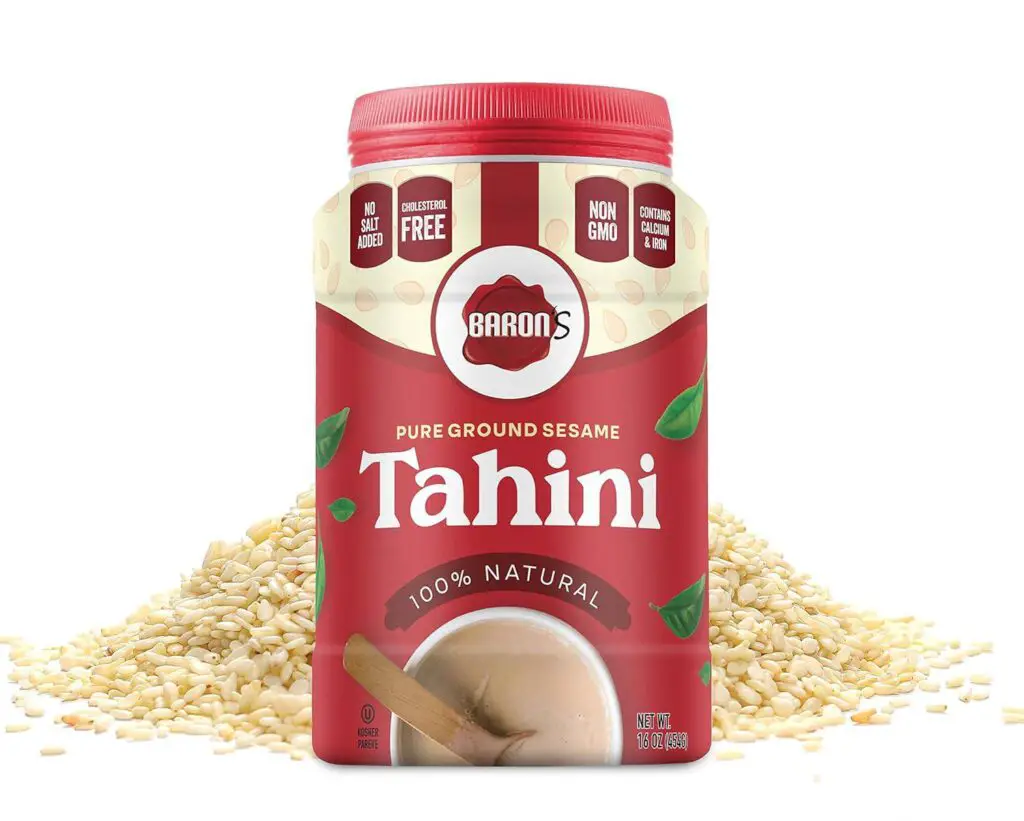
- 3 tablespoons of tahini
- 1 large clove of garlic
- Juice of 1/2 lemon
- 3/4 teaspoon of salt (more to taste)
- 1/4 teaspoon of smoked paprika (optional)
How to Make Baba Ganoush Recipe Without Oil?
Begin by preheating your oven to 200°C (400°F).
Section the eggplant in half and position it cut-side down on a pre-greased baking sheet. Roast for 35 minutes, aiming for a tender consistency.
Next, switch your oven to broil and char the eggplant skin for 8-10 minutes. Allow the broiled eggplant to cool in a sealed plastic bag for 5-7 minutes. This steaming process facilitates easy removal of the skin.
Once cool to the touch, remove the softened flesh from the eggplant and discard the blackened skin. Combine the flesh with the remaining ingredients (to be detailed later) in a food processor or high-speed blender. Pulse the mixture until well combined. For a classic baba ganoush texture, maintain a slightly chunky consistency. Alternatively, achieve a silky texture by blending until completely smooth.
Leftovers can be stored securely in an airtight container in your refrigerator for up to 7 days. This recipe allows you to enjoy a delightful and healthy baba ganoush without the use of additional oil.
Serving Suggestions
Dip Presentation
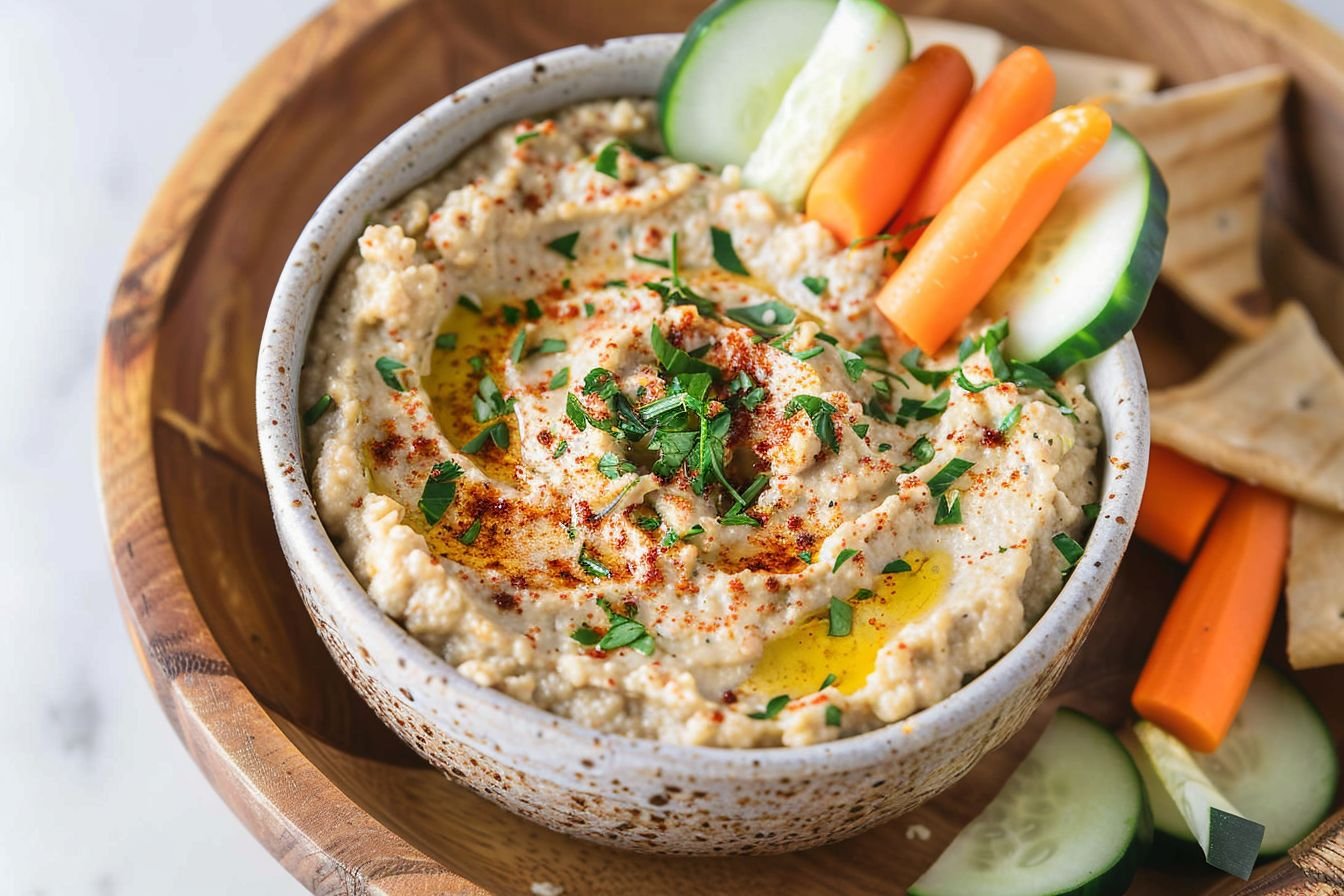
Baba ganoush can be presented in various ways to make it more appealing to the eyes. One way is to place it in a shallow bowl and create a well in the center. Sprinkle some paprika or sumac on top for added color and flavor. You can also garnish it with some chopped parsley, cilantro, or mint.
Another way to present baba ganoush is to pipe it onto a platter in a decorative pattern. Use a piping bag fitted with a star tip to create swirls or rosettes. This not only looks impressive but also makes it easier for guests to grab a bite.
Accompaniments
Baba ganoush is a versatile dip that can be served with a variety of accompaniments. It goes well with pita bread, crackers, and vegetable sticks such as carrots, cucumbers, and bell peppers. You can also serve it with grilled meats or fish as a flavorful side dish.
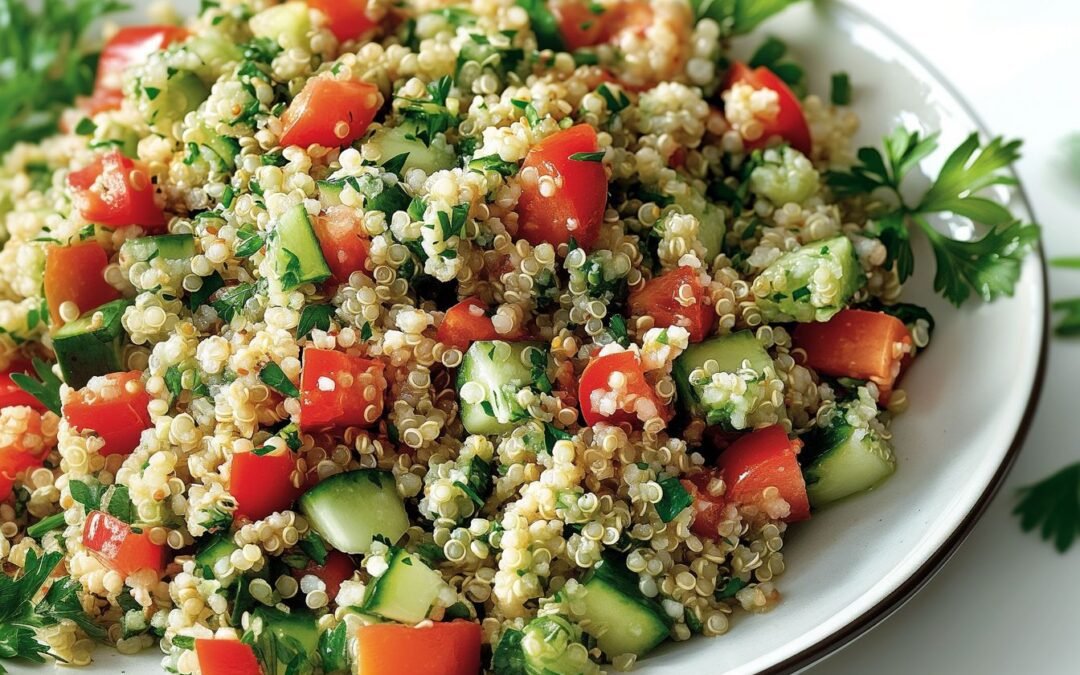
For a more Middle Eastern vibe, serve baba ganoush with some tabbouleh, hummus, and falafel. This makes for a complete and satisfying meal that is both healthy and delicious.
Storage and Shelf Life
Once the baba ganoush is prepared, it can be stored in an airtight container in the refrigerator for up to 7 days. It is best to consume it within this time frame to ensure maximum freshness and flavor.
If you plan on storing it for longer, it is recommended to freeze it. Baba ganoush can be frozen for up to 3 months in an airtight container or freezer-safe bag.
When it comes to thawing, it is best to let it thaw in the refrigerator overnight. Once thawed, give it a good stir to ensure the consistency is smooth and creamy.
It is important to note that baba ganoush without oil may not have the same shelf life as traditional baba ganoush with oil. The absence of oil may cause it to spoil faster, so it is important to keep an eye on it and consume it within the recommended time frame.
To ensure the longevity of your baba ganoush, it is best to follow proper food safety guidelines. This includes washing your hands before handling the ingredients, using clean utensils, and storing them in the refrigerator or freezer at the appropriate temperature.
Common Mistakes to Avoid
When making baba ganoush without oil, there are a few common mistakes that can easily be avoided. Here are some tips to help you create a delicious and healthy dish:
- Not Roasting the Eggplant Enough: A common mistake is not roasting the eggplant long enough. The eggplant should be soft and tender, which can take up to 45 minutes to achieve. If the eggplant is not cooked enough, it will be difficult to blend and result in a lumpy texture.
- Using the Wrong Tahini: Tahini is an important ingredient in baba ganoush and can greatly affect the taste. Make sure to use a high-quality tahini that is smooth and creamy. Avoid using tahini that is too bitter or too thick, as it can overpower the other flavors in the dish.
- Overloading the Blender: When blending the ingredients, it is important not to overload the blender. This can result in a chunky and uneven texture. It is best to blend in small batches and gradually add more ingredients as needed.
- Not Adjusting Seasonings: The key to a great baba ganoush is getting the seasoning right. Taste the dish as you go and adjust the seasoning as needed. Adding too much salt or lemon juice can quickly ruin the dish, so be sure to add these ingredients in small increments.
Conclusion
Making this baba ganoush recipe without oil is a great way to enjoy this delicious dip without adding unnecessary calories and fat. By using tahini, lemon juice, and garlic, you can still achieve a creamy and flavorful baba ganoush that is perfect for dipping veggies or pita chips.
One important thing to keep in mind when making oil-free baba ganoush is to roast the eggplant until it is completely soft and tender. This will ensure that the dip has a smooth and creamy texture. Additionally, using high-quality tahini is key to achieving a rich and nutty flavor.
Overall, baba ganoush without oil is a healthy and tasty alternative to traditional recipes. It’s easy to make and can be customized to suit your taste preferences. Whether you’re looking for a healthy snack or a crowd-pleasing appetizer, this oil-free baba ganoush recipe is sure to impress.
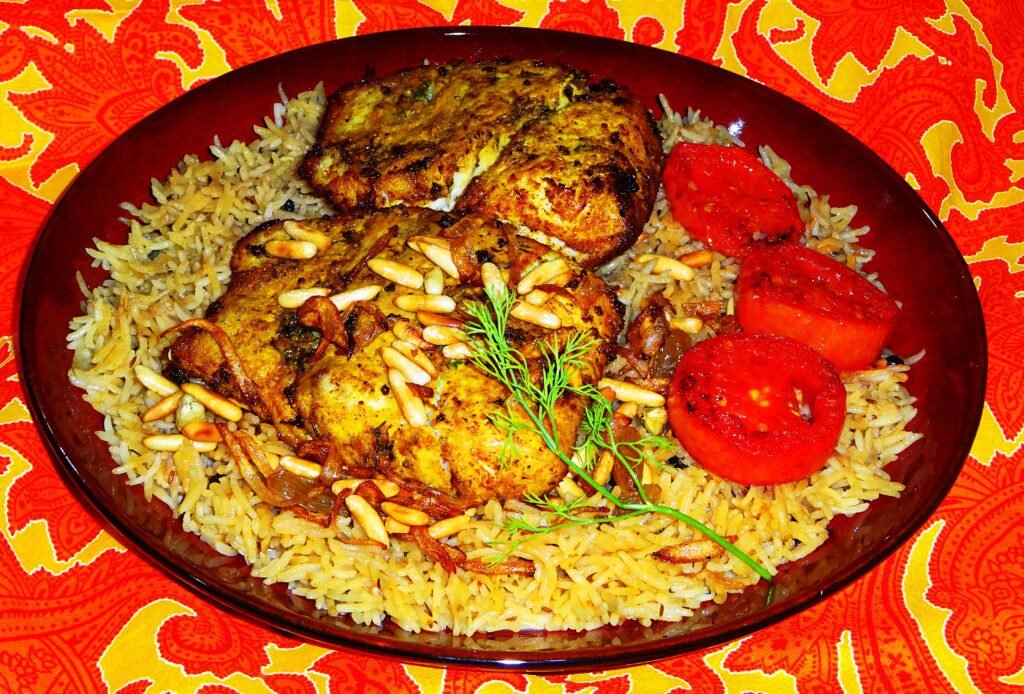
Did you know that Lebanese sayadieh (fish fillet on rice) pairs perfectly with this dip?
Get that delicious recipe now (by clicking the image below):