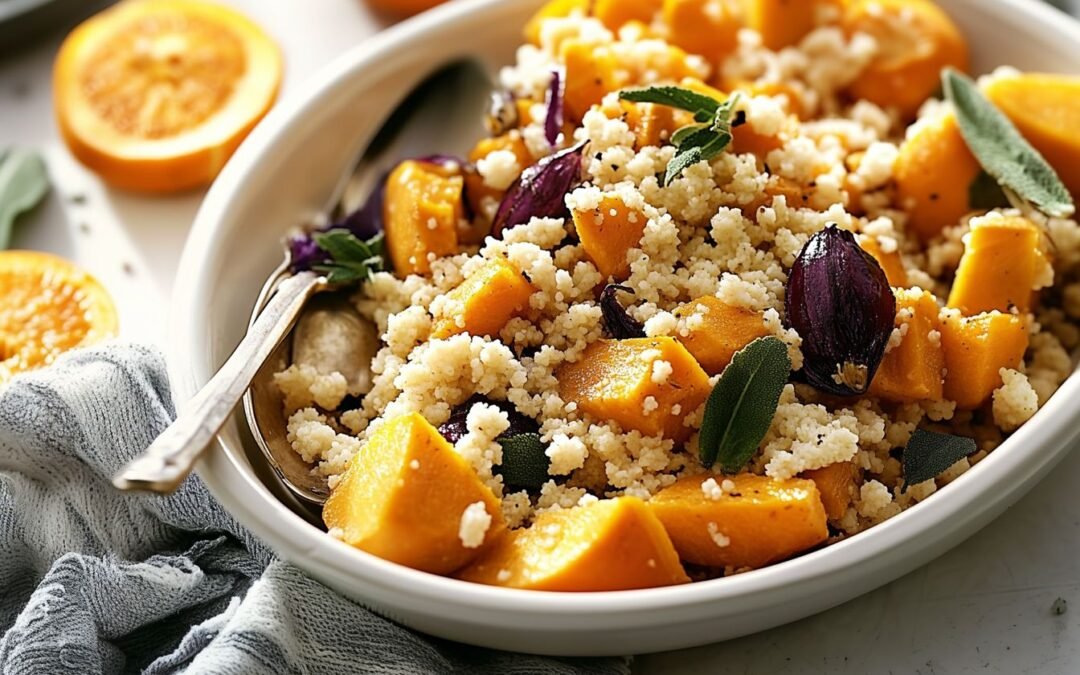
Baba ganoush with Japanese eggplant is a unique and delicious twist on the traditional recipe which has a wonderful flavor. This dish is perfect for a party or as a healthy snack option.
To make this recipe, you will need just a few ingredients. It contains Japanese eggplants, salt, black pepper, sesame oil, and harissa.
What Is Baba Ganoush?
Origins and Cultural Significance
Baba Ganoush is a culinary treasure from the Levant region with a history stretching back centuries. This area encompasses modern-day Lebanon, Syria, Israel, and Jordan, where Baba Ganoush is a beloved mainstay.
Often gracing tables alongside hummus, tabbouleh, and other mezze delights, it’s not just a tasty appetizer, but also holds a special place in Middle Eastern culture. Baba Ganoush adds flavor to celebrations and feasts, making it a delicious tradition.
Japanese Eggplant vs. Traditional Varieties
Traditionally, baba ganoush is made using globe eggplants, which are large, round, and dark purple. However, in recent years, many chefs have started using Japanese eggplants to make this dish.
One of the main benefits of using Japanese eggplants is their size. They are smaller and more slender than traditional eggplants, which makes them easier to roast and handle. Additionally, Japanese eggplants have thinner skin, which means that they don’t need to be peeled before roasting.
Despite these differences, baba ganoush made with Japanese eggplants tastes just as delicious as the traditional version. The dip is still creamy and flavorful, with a subtle smokiness from the roasted eggplant.
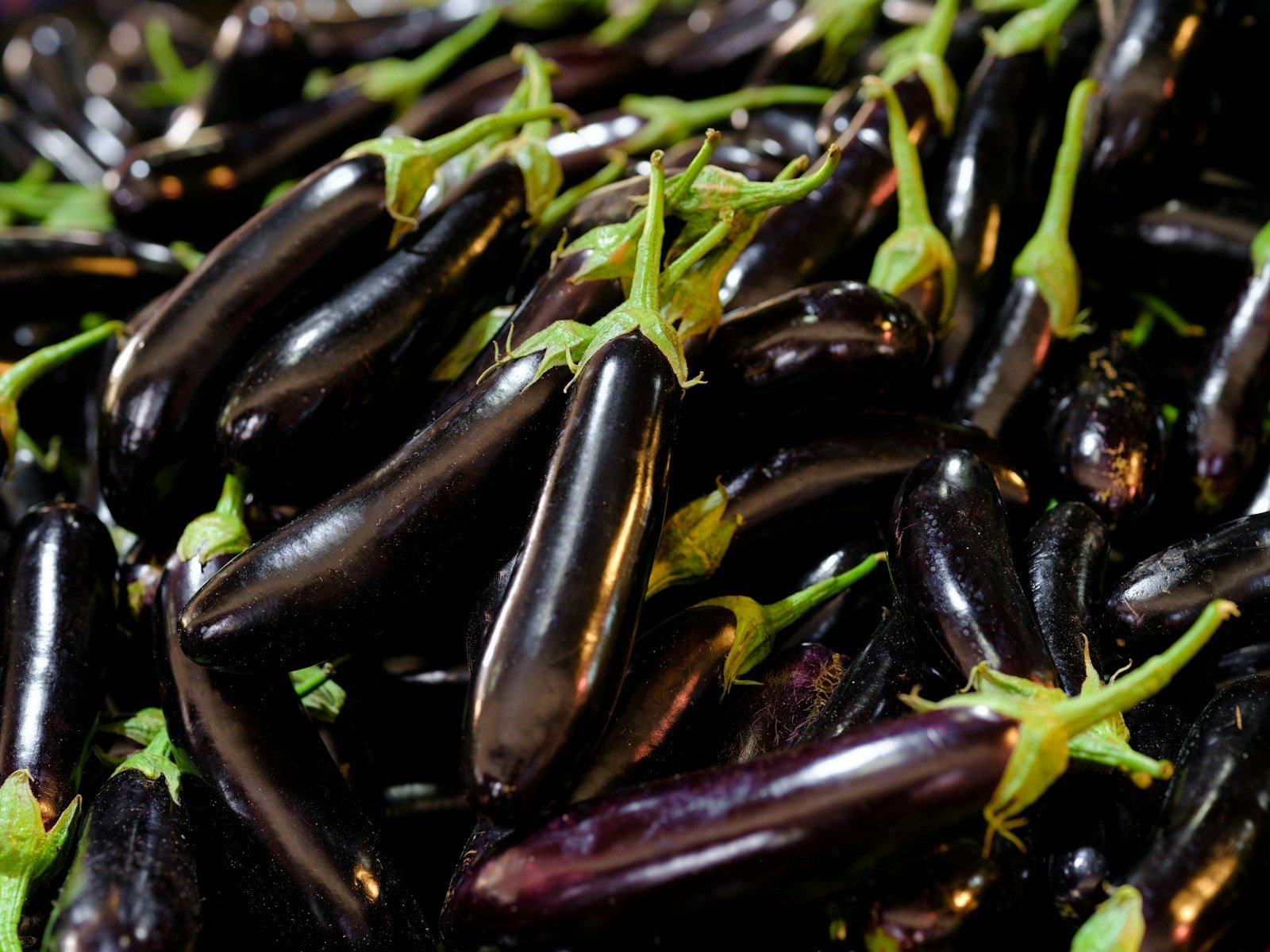
Ingredients:
- 5 Japanese eggplants (approx. 2 lbs)
- 1 tsp of salt
- 1/4 tsp of black pepper
- 1 1/2 tbsp of toasted sesame oil
- 1 tbsp of harissa
How to Make Baba Ganoush with Japanese Eggplant?
Preheat your oven to 350°F (175°C). Halve the eggplants longitudinally and place them cut-side down on a parchment-lined baking sheet. Roast for 45 minutes to 1 hour, until very tender. Allow the roasted eggplant to cool completely.
Once cool, remove the softened flesh from the eggplant shells and discard the skins. Using a sharp knife (a food processor will over-process the mixture), finely chop the eggplant flesh to achieve a smooth consistency.
Season the chopped eggplant with salt, freshly ground black pepper, and toasted sesame oil. Cover the mixture and refrigerate until ready to serve. For presentation, portion the chilled eggplant mixture into ramekins and garnish with harissa.
Serving Suggestions
Garnish and Presentation
When serving this baba ganoush, presentation is key. Consider garnishing your dish with a sprinkle of chopped fresh herbs, such as parsley or cilantro, or a drizzle of high-quality olive oil to make your dish stand out. You can also add a sprinkle of sumac or paprika for a pop of color and flavor.
To create an eye-catching presentation, serve the baba ganoush in a shallow dish and use a spoon to create a swirl pattern on the surface. You can also sprinkle some toasted pine nuts or sesame seeds on top for added texture.
Accompaniments
This dish pairs well with a variety of accompaniments. Serve it with warm pita bread, sliced cucumbers, and cherry tomatoes for a refreshing and light meal. You can also serve it with grilled chicken or lamb for a heartier meal.
For a vegan or vegetarian option, serve the baba ganoush with roasted vegetables, such as zucchini, bell peppers, and eggplant. You can also serve it with a side of hummus and falafel for a complete Middle Eastern spread.
Storage and Shelf Life
Here are some tips for storing and extending the shelf life of your baba ganoush:
- Store baba ganoush in an airtight container in the refrigerator. This will help prevent it from drying out and absorbing other flavors in the fridge.
- Baba ganoush can last up to 5 days in the refrigerator. After that, it may start to lose its flavor and texture.
- If you want to extend the shelf life of your baba ganoush, you can freeze it. Place it in a freezer-safe container and it can last up to 6 months in the freezer.
- When you’re ready to use frozen baba ganoush, thaw it in the refrigerator overnight. Stir it before serving to ensure it’s well mixed.
Common Mistakes to Avoid
When making this baba ganoush, there are a few common mistakes to avoid to ensure the best possible outcome.
Firstly, it’s important to properly char the eggplant. This can be done on a grill or over an open flame, but be sure to turn the eggplant frequently to ensure even charring. If the eggplant is not charred enough, the baba ganoush may lack the smoky flavor that is characteristic of this dish.
Another mistake to avoid is using too much tahini. While tahini is an important ingredient in baba ganoush, using too much can overpower the other flavors and make the dip too thick. Start with a small amount and gradually add more to taste.
It’s also important to properly drain the eggplant after roasting it. If the eggplant has excess moisture, the baba ganoush may be too watery. Let the eggplant drain in a colander for at least 30 minutes before making the dip to ensure a creamy and smooth texture
Finally, be sure to adjust the seasoning to taste. While the recipe may call for a specific amount of salt, lemon juice, or garlic, everyone’s taste preferences are different. Taste the baba ganoush as you make it and adjust the seasoning as needed to make it perfect for you.
Conclusion
In conclusion, making baba ganoush with Japanese eggplant is a great way to switch up the traditional recipe. The Japanese eggplant adds a unique flavor and texture to the dish that is sure to impress your taste buds.
When preparing this dish, it is important to roast the eggplant until it is soft and tender. This will ensure that the baba ganoush has a smooth and creamy consistency. Additionally, using fresh ingredients such as garlic, lemon juice, and tahini will enhance the flavor of the dish.
To serve, I recommend garnishing with fresh herbs such as parsley or cilantro and serving with warm pita bread or fresh vegetables. This dish makes for a great appetizer or side dish at any gathering or dinner party.
Overall, I highly recommend trying this recipe for baba ganoush with Japanese eggplant. It is a simple and delicious dish that is sure to impress your guests and satisfy your cravings.
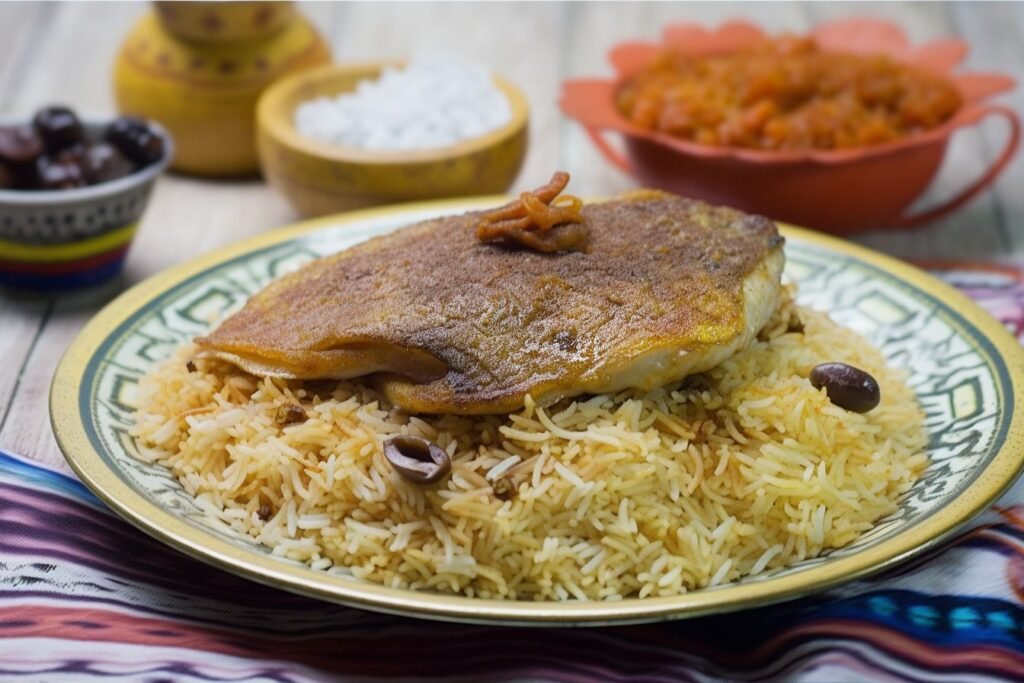
In addition, this baba ganoush is a perfect accompaniment for fish and rice.
Get its recipe now (by clicking the image below):