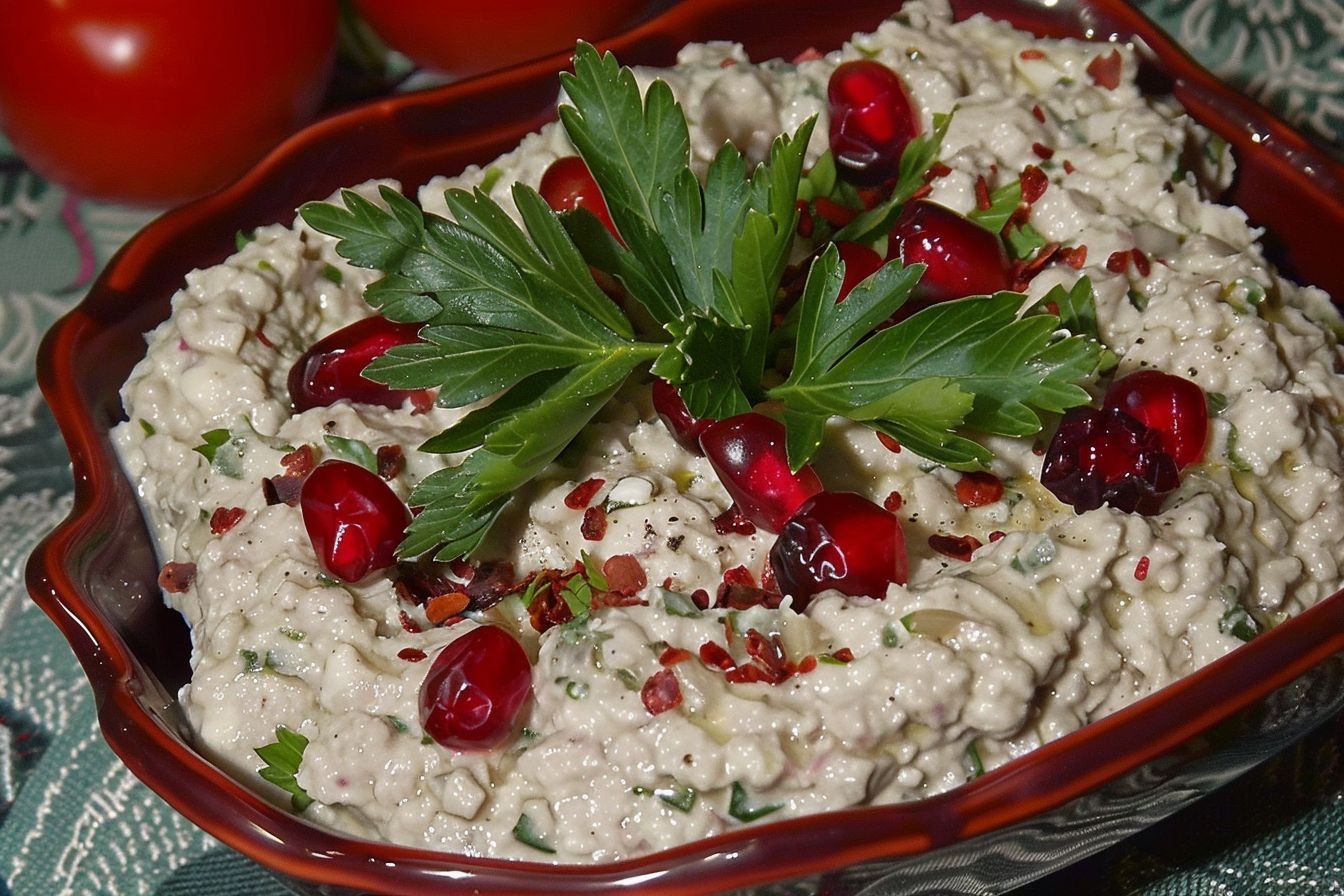
Baba ganoush with sesame oil has a rich, nutty flavor of the sesame oil which adds a whole new dimension to the dish, and it pairs perfectly with the smoky, roasted eggplant.
To make my baba ganoush with sesame oil, you will need eggplants, garlic, tahini, sesame oil, lemon juice, water, salt, freshly ground black pepper, and a dash of hot red pepper to taste (cayenne).
If you’re looking for a delicious and unique twist on traditional baba ganoush, give this recipe a try! With the addition of sesame oil, it’s sure to become a new favorite in your household.
History of Baba Ganoush
Baba ganoush originated in the Levant region, which includes modern-day Lebanon, Syria, and Israel. It is believed that the dish was first made by the Bedouin people, who roasted eggplants over an open flame and then mashed them with olive oil and various seasonings.
Over time, baba ganoush spread to other parts of the Middle East and became a popular dish in many countries, including Turkey, Egypt, and Iran. Today, it is enjoyed worldwide and is often served as an appetizer or side dish.
One interesting fact about baba ganoush is that it is often made with tahini, a paste made from sesame seeds. Tahini is a staple in Middle Eastern cooking and is used in many other dishes, such as hummus and falafel.
Importance of Sesame Oil in Middle Eastern Cuisine
This is a versatile oil that is used in a variety of ways, from cooking to seasoning. Here are a few reasons why sesame oil is so important in Middle Eastern cuisine:
Flavor Enhancer
Sesame oil has a distinct nutty flavor that adds depth and complexity to any dish it is added to. It is commonly used as a finishing oil, drizzled over dishes like hummus or baba ganoush to enhance their flavor. It can also be used as a marinade for meats and vegetables, infusing them with its rich flavor.
Nutritional Benefits
Sesame oil is high in healthy fats, antioxidants, and vitamins. It has been shown to have anti-inflammatory properties and may help reduce the risk of heart disease and other chronic illnesses. This makes it a healthier alternative to other oils like vegetable or canola oil.
Ingredients:
- 2 medium eggplants
- 4-5 cloves of garlic
- 6 tbsp of tahini
- 4 lemons juiced
- 2 tbsp of water
- Salt and black pepper to taste
- Cayenne pepper, to taste
- Sesame oil
- Chopped parsley (optional)
- Toasted pine nuts (optional)
- Pomegranate seeds (optional)
How to Make Baba Ganoush with Sesame Oil?
- Preheat your oven to 450°F (230°C). Choose one of the following methods:
- Broiling: Leave the eggplant whole with the skin on. Broil, turning occasionally, until the skin is charred and the flesh is tender.
- Baking: Cut the eggplant in half lengthwise. Brush the cut sides with olive oil and place them face down on a baking sheet. Roast until the flesh is soft.
- Allow the roasted eggplant to cool slightly until manageable. Peel away most of the skin, but you can leave some for a smoky flavor. Mash the softened flesh with a fork.
- Combine garlic cloves, tahini, lemon juice, and a small amount of water in a food processor. Blend until smooth and well combined.
- Add the mashed eggplant to the tahini sauce in the food processor. Pulse a few times until the mixture reaches a coarse puree consistency.
- Season the baba ganoush with salt, red pepper flakes, and black pepper to taste. Refrigerate for 1-2 hours to allow the flavors to develop.
- Once chilled, taste the baba ganoush again and adjust the seasonings if necessary. You may also add a touch more tahini for a richer flavor profile. Garnish with chopped parsley, pine nuts, or pomegranate seeds for a visually appealing presentation.
- Drizzle a little bit of sesame oil.
- Enjoy your baba ganoush with pita bread or vegetables.
Tips for the Perfect Texture
- Use fresh eggplants: The freshness of the eggplants can greatly affect the texture of the baba ganoush. Look for eggplants that are firm and heavy for their size, with smooth and shiny skin. Avoid eggplants that are wrinkled or have soft spots.
- Roast the eggplants until they are completely soft: This is crucial for achieving a creamy and smooth texture. Make sure to prick the eggplants all over with a fork before roasting to prevent them from exploding in the oven. Roast them at 400°F for about 40-50 minutes, or until they are completely soft and collapsed.
- Remove as much liquid as possible: After roasting, let the eggplants cool for a few minutes before peeling off the skin and removing the seeds. Use a colander to drain any excess liquid from the flesh, and gently press it with a spoon to remove even more liquid. This will prevent the baba ganoush from becoming watery.
- Use a food processor for a smooth texture: While some people prefer a chunky baba ganoush, I find that using a food processor results in a smoother and creamier texture. Pulse the eggplant flesh with the other ingredients until you reach your desired consistency.
- Refrigerate before serving: After making the baba ganoush, refrigerate it for at least an hour before serving. This will allow the flavors to meld together and the texture to firm up slightly.
Serving Suggestions
Here are a few ideas to get you started:
- As a Dip: This dish is perfect for dipping your favorite vegetables, crackers, or pita bread. You can also serve it alongside other dips, such as hummus and tzatziki, for a delicious and healthy snack.
- As a Spread: Spread it on your favorite sandwich or wrap for a tasty and nutritious lunch. You can spread it on toast or bagels for a quick and easy breakfast.
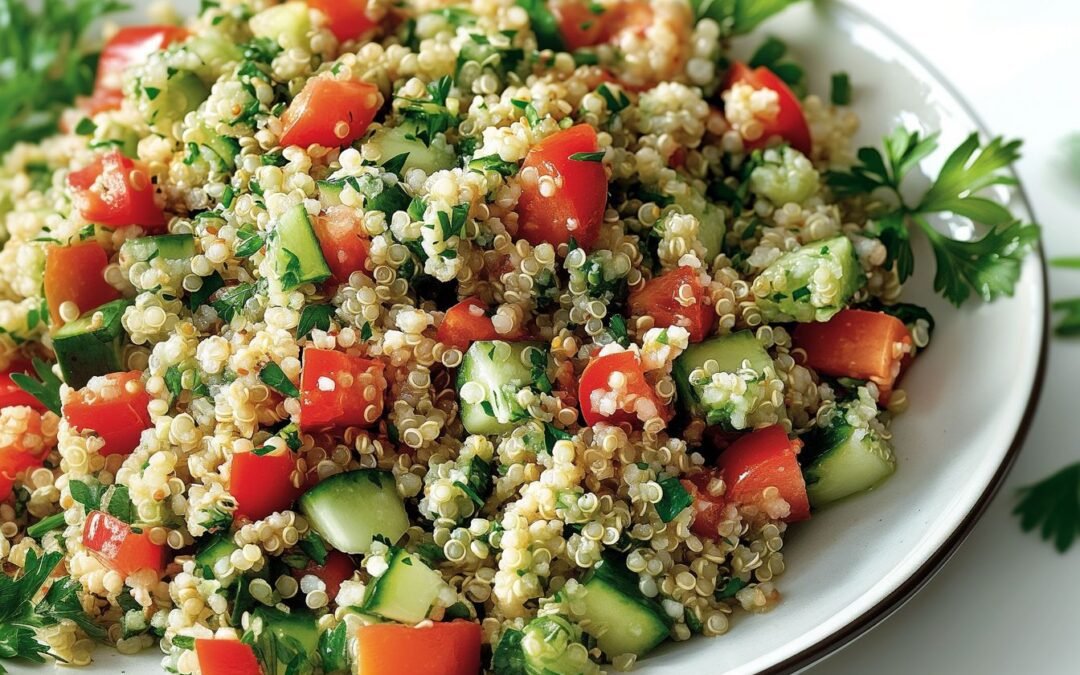
- As a Side Dish: This baba ganoush pairs well with grilled meats, such as chicken or lamb, and can also be served as a side dish alongside other Mediterranean-inspired dishes, such as tabbouleh or fattoush salad.
- As a Topping: Top grilled vegetables like eggplant, zucchini, or bell peppers with it for a tasty and healthy side dish.
Health Benefits
Here are some of the health benefits of baba ganoush with sesame oil:
- Rich in antioxidants: Baba ganoush is made from eggplant, which is rich in antioxidants that help protect your cells from damage caused by free radicals. Sesame oil is also a good source of antioxidants, making this dish even more beneficial for your health.
- Good for your heart: This dip is low in saturated fat and high in monounsaturated and polyunsaturated fats, which are good for your heart. These fats can help lower your cholesterol levels and reduce your risk of heart disease.
- High in fiber: Eggplant is high in fiber, which can help keep you feeling full and satisfied for longer periods. This can help you eat less and maintain a healthy weight.
- May help reduce inflammation: Sesame oil contains compounds that have anti-inflammatory properties. Eating baba ganoush with sesame oil may help reduce inflammation in your body, which is linked to a variety of health problems.
Pairing with Other Dishes
1. Pita Bread
Pita bread is a classic pairing for baba ganoush, and for good reason. The soft, fluffy bread is the perfect vehicle for scooping up the creamy dip. You can toast the pita bread for a little extra crunch, or serve it fresh and warm.
2. Grilled Vegetables
Grilled vegetables are a great option if you’re looking for a healthy and flavorful side dish. Try grilling eggplant, zucchini, and bell peppers alongside your baba ganoush. The smoky, charred flavor of the vegetables pairs perfectly with the creamy dip.
3. Falafel
For a more substantial meal, consider pairing baba ganoush with falafel. The crispy, fried chickpea balls are a staple of Middle Eastern cuisine, and they’re often served with baba ganoush and other dips. The combination of textures and flavors is sure to satisfy your taste buds.
4. Hummus
If you’re a fan of dips, you can’t go wrong with pairing baba ganoush with hummus. The two dips complement each other perfectly, and they’re both made with similar ingredients. Serve them with pita bread or vegetables for a delicious and healthy snack.
Storing and Preservation
- Refrigerate: After making baba ganoush, let it cool to room temperature and then store it in an airtight container in the refrigerator. It can last for up to 4-5 days in the fridge.
- Freezing: If you have leftover baba ganoush, you can freeze it for later use. Simply put it in a freezer-safe container and store it in the freezer. It can last for up to 3 months in the freezer.
- Thawing: When you’re ready to use your frozen baba ganoush, let it thaw in the refrigerator overnight. You can also thaw it in the microwave or on the countertop, but be sure to stir it well before using it.
- Separation: Baba ganoush can sometimes separate when it’s stored, but don’t worry! Just give it a good stir before serving and it will be as good as new.
Conclusion
I hope you found this baba ganoush with sesame oil recipe informative and helpful in your culinary adventures. As I was writing this article, I realized how versatile baba ganoush can be with the addition of sesame oil. The nutty flavor of the sesame oil enhances the smoky flavor of the eggplant, resulting in a delicious and flavorful dip.
Throughout this article, I have shared my personal experience and tips on how to make the perfect dip. I have also provided some variations and serving suggestions to inspire you to get creative in the kitchen.
Remember, cooking is all about experimenting and having fun. Don’t be afraid to try new things and make the recipe your own. I encourage you to give this recipe a try and let me know how it turned out in the comments below.
Thank you for reading and happy cooking!
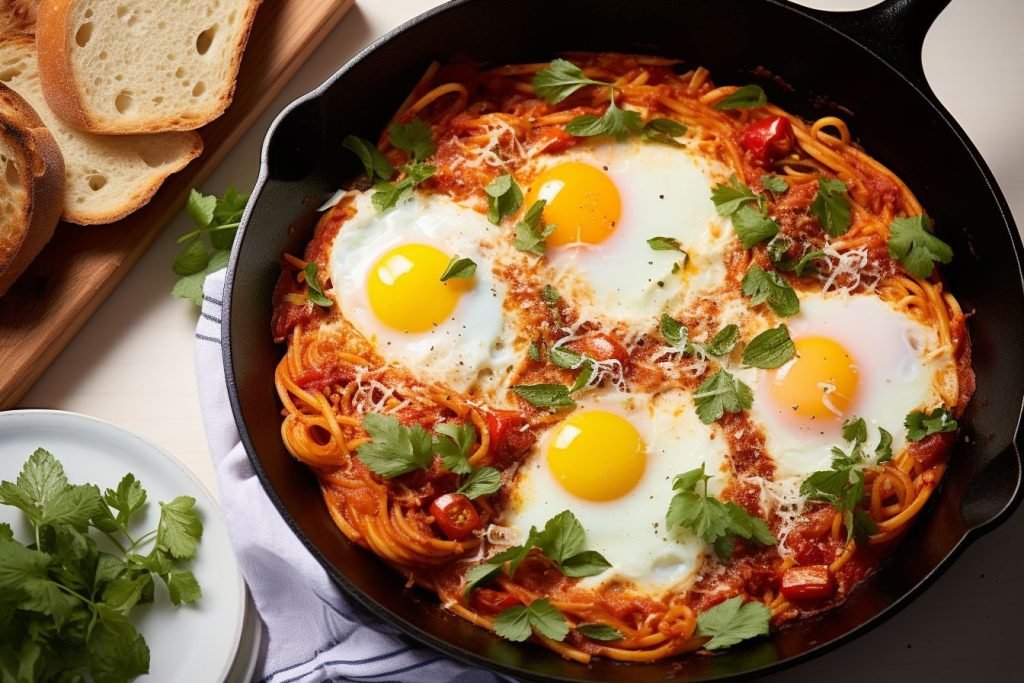
By the way, this baba ganoush complements shakshuka with pasta amazingly!
Get that recipe now (by clicking the image below):