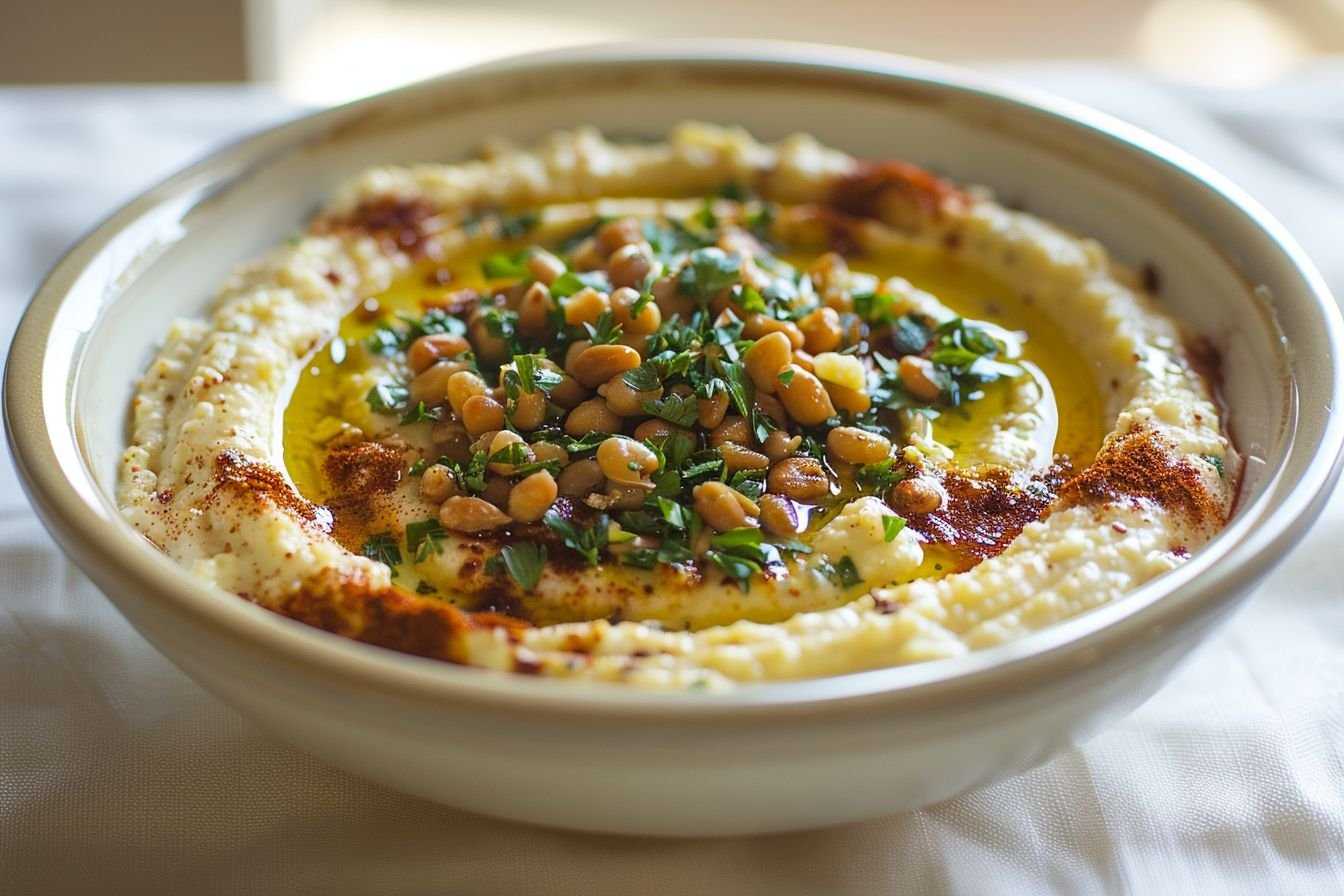
This recipe for baba ganoush without eggplant relies on the humble zucchini to create a creamy and flavorful dip that’s just as satisfying as the traditional version.
To make this eggplant-free baba ganoush, you’ll need just a few simple ingredients. zucchini, olive oil, garlic, tahini, lemon juice, parsley, salt, and pepper to taste. Top it all off with some toasted pine nuts and a pinch of red pepper flakes, if desired, and you’ve got a dip that’s perfect for snacking on with pita chips or fresh vegetables.
Understanding Baba Ganoush
This delicious dip is a staple in many households and restaurants, and for good reason. It’s creamy, flavorful, and perfect for dipping pita bread or vegetables. However, as someone who doesn’t eat eggplant, I was curious about how to make baba ganoush without this traditional ingredient.
Traditional Ingredients
Before we get into the role of eggplant in baba ganoush, let’s first take a look at the traditional ingredients. Baba ganoush is typically made with roasted eggplant, tahini, garlic, lemon juice, and olive oil. Some recipes also call for parsley, cumin, or paprika for added flavor.
Role of Eggplant
Eggplant is a key ingredient in traditional baba ganoush, providing a meaty texture and smoky flavor. However, it’s not the only ingredient that can be used to achieve this delicious dip. Several alternatives can be used in place of eggplant.
Alternative Bases for Baba Ganoush
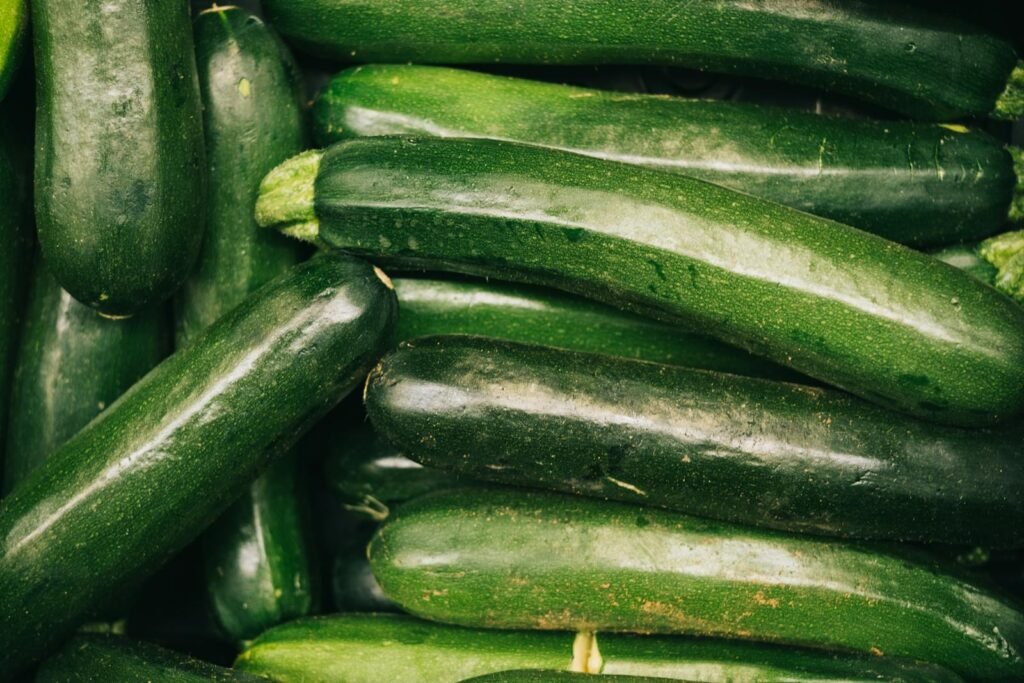
Zucchini as a Substitute: Zucchini is a great alternative to eggplant, as it has a similar texture and mild flavor.
Chickpeas for Texture: If you’re looking for a heartier baba ganoush, try using chickpeas instead of eggplant. This will give the dip a thicker, creamier texture.
Root Vegetable Variants: Root vegetables like carrots, sweet potatoes, and beets can also be used as a base for baba ganoush.
Ingredients:
- 2 large zucchinis
- 1 tbsp of olive oil
- 1 clove of garlic
- 2-3 tbsp of tahini
- 2 tbsp of freshly squeezed lemon juice, from a whole lemon
- 2 tbsp of chopped fresh parsley
- Salt and black pepper to taste
- 2 tbsp of toasted pine nuts, for garnish
- a pinch of chili flakes (optional)
How to Make Baba Ganoush Without Eggplant?
- Preheat your oven to 400°F (200°C). Utilize this preheating time to prepare the zucchini. Trim the ends and longitudinally bisect each one. Arrange the halves on a parchment-lined baking sheet and lightly coat them with olive oil.
- Roast the prepared zucchini for 30 minutes, or until they achieve a fully softened state. Once cooked, allow them to cool slightly for ease of handling. Subsequently, meticulously remove the softened flesh from each half.
- For the next step, transfer the zucchini flesh to a food processor along with a clove of garlic, tahini paste, and fresh lemon juice. Process the mixture until it achieves a smooth and homogenous consistency.
- To complete the dip, incorporate finely chopped fresh parsley, salt, and ground black pepper. For an optional touch of heat, red pepper flakes may also be added. Blend briefly to fully integrate the seasonings.
- Finally, present the creamy zucchini dip alongside toasted pine nuts for a delightful textural contrast. Pair it with warm pita bread, naan, or your preferred flatbread for scooping.
Serving Suggestions
Dippers and Spreads
There are a variety of dippers and spreads that pair well with this flavorful dip. I love serving it with fresh pita bread, sliced cucumbers, and carrot sticks. The cool crunch of the vegetables paired with the creamy richness of the baba ganoush is a match made in heaven.
If you’re looking for something a little more substantial, try serving the baba ganoush with toasted bread or crackers. The nutty flavor of whole grain bread or the buttery crunch of a cracker adds a nice contrast to the smooth texture of the dip.
For a more Middle Eastern-inspired spread, try serving the baba ganoush alongside some hummus and tzatziki. The combination of these three dips creates a delicious and well-rounded appetizer platter that is sure to impress your guests.
Garnishes
Garnishing your baba ganoush can add an extra pop of flavor and visual appeal. I love topping mine with a drizzle of olive oil, a sprinkle of sumac, and some fresh parsley. The sumac adds a tangy brightness to the dish, while the parsley adds a fresh herbaceous note.
If you’re looking for something a little more indulgent, try topping the baba ganoush with some crumbled feta cheese or toasted pine nuts. The salty tang of the feta and the nutty crunch of the pine nuts take this dip to the next level.
Nutritional Information
Here is a table that shows the nutritional information for a typical serving of this dip:
| Nutrient | Amount per serving |
|---|---|
| Calories | 129 |
| Total fat | 17g |
| Protein | 4g |
| Total Carbohydrate | 7g |
Allergy-Friendly Tips
Here are some tips for making your baba ganoush allergy-friendly:
- Substitute roasted zucchini or cauliflower for the eggplant (like in this recipe). Both of these vegetables have a similar texture to eggplant and can be roasted in the same way. Just be sure to adjust the seasonings to your liking.
- Make your pita chips instead of using store-bought ones. Many store-bought pita chips contain common allergens such as wheat and soy. Making your own is easy and allows you to control the ingredients. Simply cut pita bread into triangles, brush with olive oil, and bake until crispy.
- Serve with fresh vegetables instead of bread or crackers. This is a great option for those who are gluten-free or have other grain allergies. Carrots, cucumbers, and bell peppers all make great dippers for baba ganoush.
Conclusion
I hope that this article has provided you with some insight into how to make a delicious baba ganoush without eggplant. By using alternative ingredients such as zucchini or cauliflower, you can create a dish that is just as tasty and flavorful as traditional baba ganoush.
One of the benefits of using zucchini is that it is low in calories and high in nutrients. This makes them a great choice for anyone who is looking to eat healthier or lose weight. Additionally, this vegetable is readily available at most grocery stores and is relatively inexpensive.
Another advantage of using zucchini is that it has a milder flavor than eggplant. This means that you can experiment with different seasonings and spices to create a baba ganoush that is uniquely your own. Some of my favorite seasonings to use include garlic, lemon juice, and tahini.
Overall, making baba ganoush without eggplant is a great way to switch up your diet and try something new. Whether you’re a seasoned chef or a beginner in the kitchen, this recipe is easy to follow and can be customized to suit your tastes. So why not give it a try and see how delicious and healthy baba ganoush can be without eggplant?
If you’re still hungry, add this dip to Persian fish on lentils.
Get this recipe now (by clicking the image below):