Shanklish cheese is a Middle Eastern cheese that has been gaining popularity in recent years. It is a traditional cheese that has been made for centuries in countries such as Lebanon, Syria, and Jordan. Shanklish cheese is made from a mixture of cow’s and sheep’s milk, which gives it a unique flavor and texture.
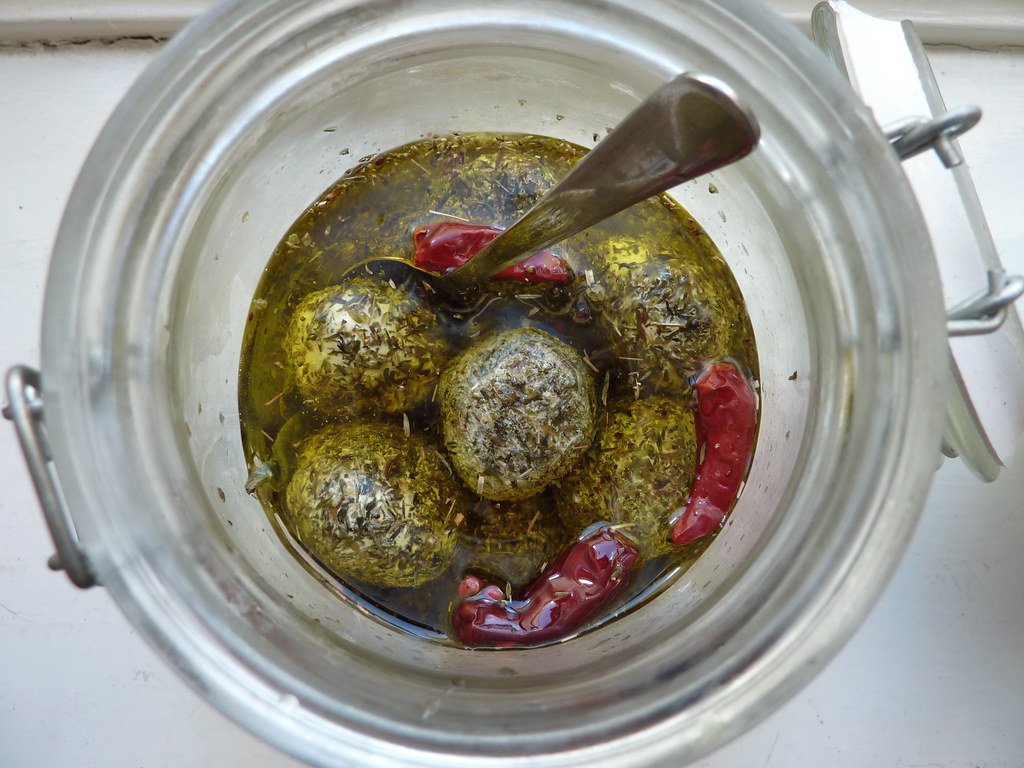
To make Shanklish cheese, you will need Greek yogurt, sweet paprika, a small red chili, zaatar, and olive oil. The process involves straining the yogurt to remove the excess liquid, adding the spices and chili, and forming the mixture into small balls. The balls are then coated in zaatar and covered in olive oil to preserve them.
Shanklish cheese has a tangy, slightly spicy flavor and a crumbly texture. It can be used in a variety of dishes, such as salads, dips, and sandwiches. It is a versatile cheese that can add a unique flavor to any dish. If you’re looking to try something new, this is worth a try.
History of Shanklish Cheese
Origins
I have always been fascinated by the history of food and how it evolved over time. Shanklish cheese is a perfect example of how a simple food can be transformed into something extraordinary. Shanklish cheese has been around for centuries and is believed to have originated in the Levant region.
Regional Variations
As with most traditional foods, there are many regional variations of shanklish cheese. In Lebanon, for example, this cheese is often made with cow’s milk instead of goat and sheep’s milk. In Syria, the cheese is sometimes rolled in za’atar, a blend of herbs and spices that is commonly used in Middle Eastern cuisine.
Despite these regional variations, shanklish cheese remains a beloved staple of Levantine cuisine. It is often served as a snack or appetizer, either on its own or with bread and olives. It can also be used as a topping for salads or mixed into dishes like omelets and pasta.
Ingredients:
- 1kg of Greek yogurt
- 2 teaspoons of sweet paprika
- 1 finely chopped small red chilli
- 1/4 cup (30g) of zaatar
- Olive oil, for covering
How to make Shanklish Cheese?

- Start by placing yogurt and water in a saucepan and whisking them together. Then, place the pan on medium-low heat and let it gently simmer for 15 minutes or until the mixture starts to separate.
- Then, use a colander lined with muslin or a clean cloth placed over a bowl. Pour the yogurt mix into it and let it drain for 2 hours until it’s firm and dry. After, discard the liquid.
- Combine paprika, zaatar and chili in a shallow bowl. Using your clean hands, shape and compress 1 tablespoon of yogurt mixture into a ball, then roll it in the chili mixture. Repeat this process to make about 20 balls, then transfer them to a jar and cover them with oil. Store the Shanklish Cheese, covered and chilled, for up to 3 months.
Nutritional Profile
Macronutrients
Shanklish cheese is a good source of protein, with about 6 grams of protein per 1-ounce serving. It also contains fat, with about 8 grams of fat per serving. However, it is important to note that shanklish cheese is high in saturated fat, so it should be consumed in moderation.
Vitamins and Minerals
Shanklish cheese is a good source of calcium, with about 20% of the daily recommended value per serving. It also contains vitamin A and vitamin B12. Additionally, it has a small amount of iron and potassium.
In summary, shanklish cheese is a tasty and nutritious cheese that can be a part of a balanced diet. However, it is important to consume it in moderation due to its high saturated fat content.
Culinary Uses
As a versatile cheese, it can be used in various dishes, both traditional and modern. Here are some culinary uses of shanklish cheese:
Traditional Dishes
In Middle Eastern cuisine, shanklish is often used in traditional dishes such as fattoush salad, manaeesh, and kibbeh. Fattoush salad is a refreshing salad made with vegetables, herbs, and toasted pita bread, and shanklish adds a tangy and salty flavor to the salad. Manaeesh is a popular Levantine breakfast food, which is a flatbread topped with za’atar and shanklish cheese. Kibbeh is a traditional Levantine dish made with bulgur, minced onions, and ground meat, and shanklish is often used as a stuffing for the kibbeh.
Modern Adaptations
Shanklish cheese can also be used in modern adaptations of dishes. For example, it can be used as a topping for pizza, adding a unique flavor to the pizza. It can also be used as a filling for omelets or as a spread for sandwiches. Moreover, it can be used as a substitute for feta cheese in various dishes, such as Greek salad or spanakopita.
Overall, this cheese is a versatile cheese that can be used in various dishes, both traditional and modern. Its tangy and salty flavor adds a unique taste to any dish.
Pairing Shanklish Cheese
Wine Pairing
When it comes to wine pairing, shanklish cheese goes well with both red and white wines. For red wine, I recommend a fruity and light-bodied wine such as Pinot Noir or Beaujolais. These wines have a good balance of acidity and tannins that complement the tangy and salty flavor of shanklish cheese. On the other hand, for white wine, I suggest a crisp and dry wine like Sauvignon Blanc or Pinot Grigio. These wines have a refreshing acidity that cuts through the richness of the cheese and enhances its flavors.
Food Combinations
- Fresh vegetables: The tangy flavor goes well with fresh vegetables like tomatoes, cucumbers, and bell peppers. You can make a simple salad by tossing these vegetables with some olive oil and lemon juice and adding crumbled shanklish cheese on top.
- Olives: Olives have a similar salty and tangy flavor to this cheese, making them a perfect pairing. You can serve this cheese and olives on a platter as a simple appetizer.
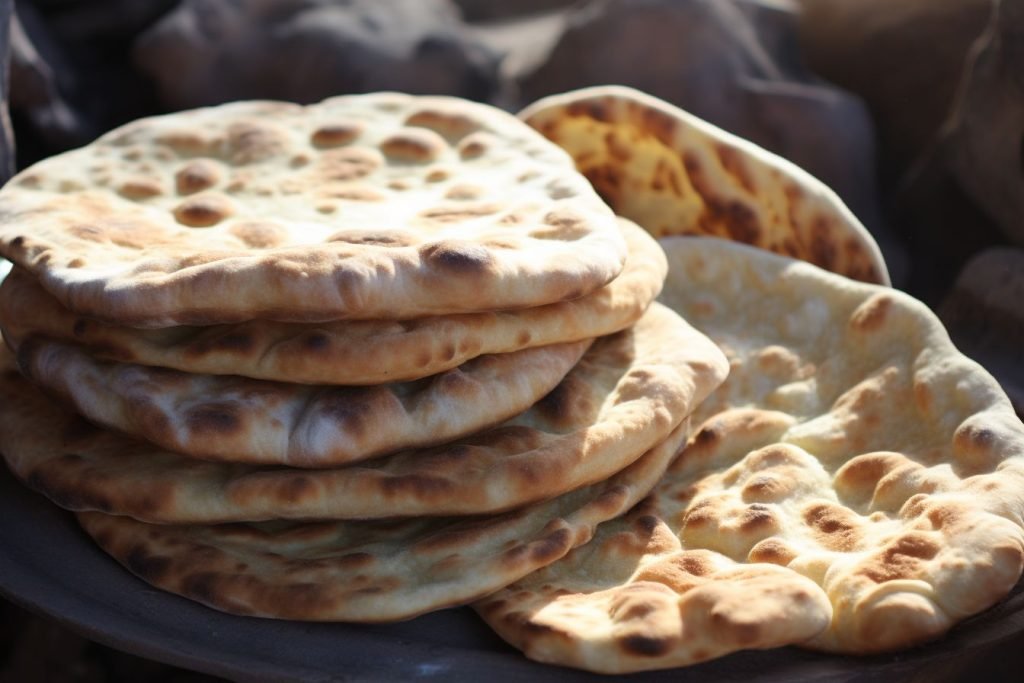
- Flatbread: Shanklish cheese is a popular ingredient in Middle Eastern cuisine, and it pairs well with flatbread. You can make a simple flatbread pizza by topping it with the cheese, tomatoes, and fresh herbs.
- Honey: The sweetness of honey complements the tanginess of shanklish cheese. You can drizzle honey over shanklish cheese and serve it as an appetizer.
Storage and Handling
Shelf Life
As a dairy product, this cheese has a limited shelf life. Generally, it can stay fresh for up to 3 months if stored properly. However, it is important to keep in mind that the shelf life may vary depending on the quality of the cheese and the storage conditions.
Proper Storage Methods
To extend its shelf life, it is important to store it properly. Here are some tips on how to do so:
- Keep it refrigerated: It should be stored in the refrigerator at a temperature between 35-40°F. This will help slow down the growth of bacteria and keep the cheese fresh for longer.
- Store it in an airtight container: To prevent the cheese from drying out and absorbing odors from other foods in the fridge, it is best to store it in an airtight container or wrapped tightly in plastic wrap.
- Keep it away from moisture: Moisture can cause the cheese to spoil quickly, so it is important to keep it dry. You can do this by placing a paper towel in the container with the cheese to absorb any excess moisture.
- Don’t freeze it: Freezing can alter its texture and flavor, so it is best to avoid freezing it.
Conclusion
I have thoroughly enjoyed exploring the world of shanklish cheese. From its origins in the Levant to its popularity in the Middle East and beyond, this cheese has a rich history and a unique flavor profile.
Throughout my research, I have discovered that this is a versatile ingredient that can be used in a variety of dishes. Its tangy, salty flavor pairs well with vegetables, meats, and grains, making it a great addition to salads, sandwiches, and dips.
One thing that stands out about it is its texture. The combination of soft and crumbly makes it a delight to eat, and it adds a nice contrast to dishes that may otherwise be lacking in texture.
Overall, I highly recommend trying shanklish cheese if you haven’t already. It’s a delicious and unique cheese that is sure to add flavor and texture to your meals.
As already discussed, this cheese pairs perfectly with Middle Eastern flatbread.
Get this tandoor bread recipe (by clicking the image below):