Mujadara without rice is not only possible but also delicious. It’s a great dish for someone who is trying to cut back on carbohydrates,
To make it, you’ll need brown or green lentils, coarse bulgur, canola oil, a small onion, red onions, cumin powder (optional), water, and salt. Instead of cooking the lentils and rice together, you’ll cook the lentils and bulgur together with a finely chopped onion.
This version of mujadara is also a great source of nutrition. Lentils are high in protein and fiber, making them a filling and satisfying addition to any meal. Bulgur is also a good source of fiber and contains essential vitamins and minerals like iron and magnesium. By swapping out the rice for bulgur, you’re adding more nutrition to your dish without sacrificing flavor.
Understanding Mujadara
Mujadara is typically made with rice, lentils, and caramelized onions. However, there are variations of this dish that do not include rice, such as the one I will be discussing in this article.
The absence of rice in mujadara does not take away from the dish’s traditional and authentic taste. Instead, it provides a healthier alternative for those who are looking to cut down on their carbohydrate intake.
This is a simple yet flavorful dish that can be enjoyed on its own or as a side to other Middle Eastern dishes. It is a dish that has been passed down through generations and continues to be a favorite among many.
Mujadara Variations
Mujadara Without Rice
While rice is a staple ingredient in traditional mujadara, it is possible to make this dish without it. One alternative is to replace the rice with bulgur, a cracked wheat with a similar texture and flavor to rice. This variation is often called “bulgur mujadara” and is popular in many Middle Eastern countries.
Another option is to use only lentils and omit the rice or bulgur altogether. This variation, known as “lentil mujadara,” is a great option for those looking for a low-carb or gluten-free version of the dish.
Regional Twists
Mujadara is a versatile dish that can be adapted to suit different regional tastes. In Lebanon, for example, mujadara hamra is a popular variation that includes red lentils and caramelized onions. This gives the dish a slightly sweeter flavor and a reddish-brown color.
In other parts of the Middle East, such as Syria and Jordan, mujadara is often served with a side of yogurt or a salad. This helps to balance out the richness of the lentils and adds a refreshing element to the dish.
Alternative Grains
While rice and bulgur are the most common grains used in mujadara, there are other options to consider. Quinoa, for example, is a great alternative for those looking for a high-protein and gluten-free option. It has a nutty flavor that pairs well with the earthy lentils.
Another option is to use barley instead of rice or bulgur. This gives the dish a chewier texture and a slightly nutty flavor.
Ingredients:
- 1 cup of brown or green lentils (I prefer brown)
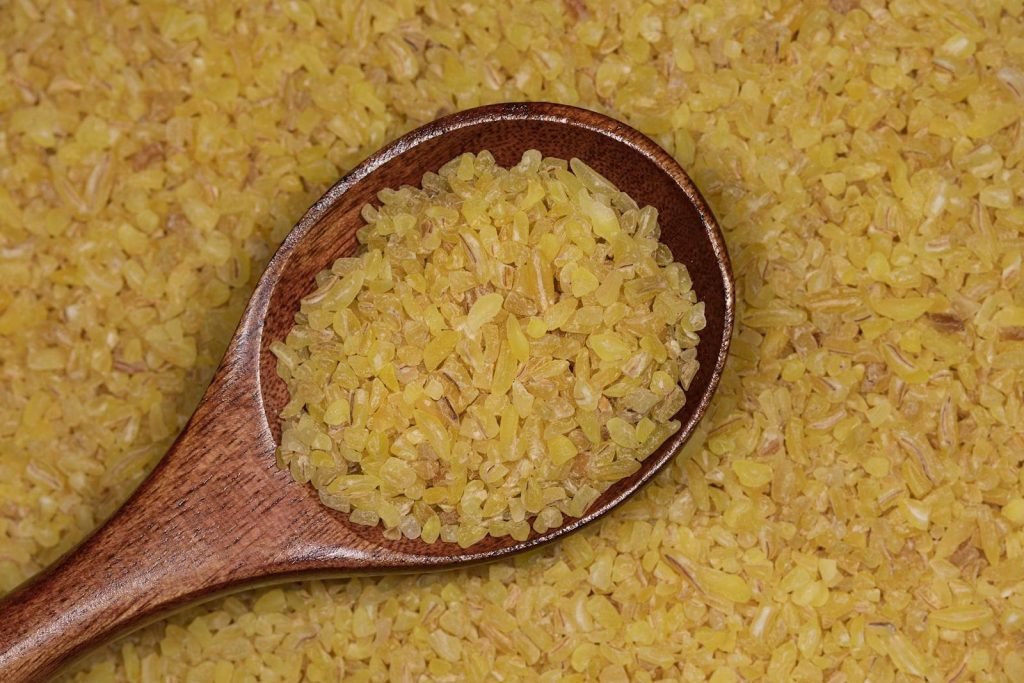
- ¾ cup of coarse bulgur
- 1/3 cup of canola oil
- 1 finely chopped small onion
- 3 large red onions
- A dash of cumin powder (not mandatory)
- 3 cups of water
- 1 tsp of salt (or to taste)
How to make mujadara without rice?
- First, visually sort the lentils to remove any debris or shriveled lentils. Wash and drain them before placing them in a Dutch oven or Instant Pot. Add 3 cups of water and bring it to a boil. Once it starts boiling, cover it up and let it cook on very low heat for about 20 minutes or until the lentils are nice and soft.
- Next, put the lentils in a colander and keep the extra liquid aside.
- To make the onions caramelized, heat some oil in a wide skillet on medium-high heat. Put the sliced onions in the skillet and cook them for approximately 10 minutes, stirring constantly until they begin to soften. Next, turn down the heat to low and keep cooking and stirring until the onions turn a deep brown color and get crispy. Be sure to remove them with a slotted spoon or tongs before they become burnt.
- Afterward, pour the oil from the skillet into a stockpot and add the chopped onion. Cook it until it turns a light brown color, then mix in the lentils, bulgur, 1 1/2 cups of the reserved lentil broth, salt, and cumin powder. Bring it to a boil, then turn down the heat to low, cover it, and let it simmer for 25 minutes. This gives the bulgur time to cook and allows the flavors to blend nicely.
- Lastly, transfer it to a serving dish and top it off with the caramelized onions. Serve it alongside fattoush or Middle Eastern salad, and dig in!
Serving Suggestions
Accompaniments
Mujadara is traditionally served with a side of yogurt, which helps to balance out the flavors of the dish. You can use plain Greek yogurt or regular yogurt, depending on your preference. I like to add a squeeze of lemon juice and a sprinkle of chopped parsley to my yogurt for some extra flavor.
If you’re looking for a more substantial side dish, consider serving mujadara with a salad. Fattoush salad is a great choice, as it features a variety of fresh vegetables and a tangy dressing that pairs well with the earthy flavors of the mujadara. Alternatively, a simple green salad dressed with lemon juice and olive oil would also work well.
Toppings and Add-ons
One of the great things about mujadara is that it’s very customizable. You can add toppings and add-ons to suit your tastes. Here are a few ideas to get you started:
- Crispy fried onions: These are a classic topping for mujadara and add a nice crunch to the dish.
- Toasted pine nuts: These add a nutty flavor and a bit of texture to the dish.
- Caramelized onions: If you love onions, consider adding some caramelized onions to your mujadara for extra sweetness and depth of flavor.
- Roasted vegetables: Roasted carrots, sweet potatoes, or squash would all be delicious additions to mujadara.
Tips and Tricks
Enhancing Flavor
To enhance the flavor, I recommend using a variety of spices and herbs. You can add cumin, coriander, and turmeric to the lentils and onions while they are cooking. This will give the dish a warm and earthy flavor. You can also add fresh herbs like parsley or cilantro to the finished dish for a pop of freshness.
Perfecting Texture
One of the keys to perfecting this mujadara is to cook the lentils and onions until they are very soft. This will give the dish a creamy texture that is both comforting and satisfying. You can also experiment with different types of lentils to achieve different textures. Red lentils will break down more during cooking, while green or brown lentils will hold their shape better.
Storage and Reheating
This is a great dish to make ahead of time and store in the refrigerator or freezer for later. To store, let the dish cool completely and then transfer it to an airtight container. Mujadara will be kept in the refrigerator for up to 5 days or in the freezer for up to 3 months.
To reheat mujadara, you can use the microwave or the stovetop. If using the microwave, cover the dish with a damp paper towel and heat on high for 1-2 minutes. If using the stovetop, add a splash of water or broth to the pan and heat over medium-low heat until warmed through. Stir frequently to prevent sticking.
Conclusion
In conclusion, mujadara without rice is a delicious and healthy alternative to the traditional recipe. By substituting rice with other grains, such as quinoa or bulgur wheat, you can add more nutritional value to your dish and create a unique flavor profile.
I found that using bulgur wheat instead of rice gave the mujadara a nuttier taste and a slightly chewy texture, which complemented the lentils and onions perfectly. Additionally, the high fiber content of bulgur wheat made me feel fuller for longer, which is great for those who are trying to eat healthier.
Another great alternative to rice is quinoa. Quinoa is a complete protein, which means it has all nine essential amino acids our bodies require. This makes it a great choice for vegetarians and vegans who may struggle to get enough protein in their diets. When used in mujadara, quinoa adds a slightly nutty flavor and a fluffy texture that pairs well with the lentils and onions.
Overall, I highly recommend trying mujadara without rice. It’s a simple and flavorful dish that can be customized to your liking. Whether you choose to use bulgur wheat, quinoa, or another grain, you will surely enjoy this Middle Eastern classic.
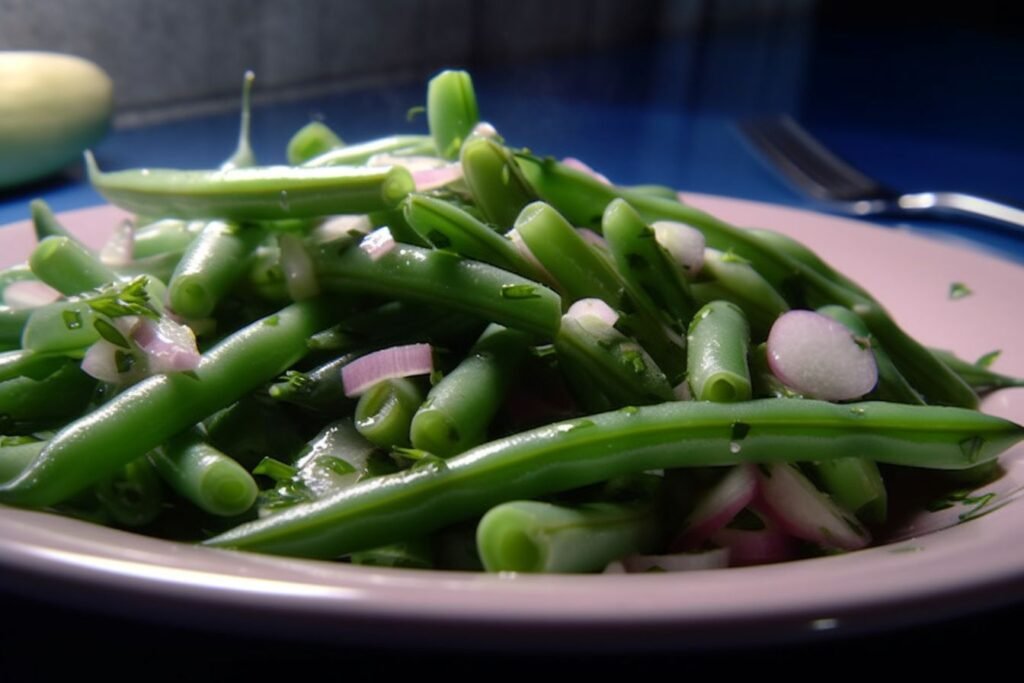
As already mentioned, a fresh salad pairs great with this mujadara.
Get this green bean salad recipe now (by clicking the image below):