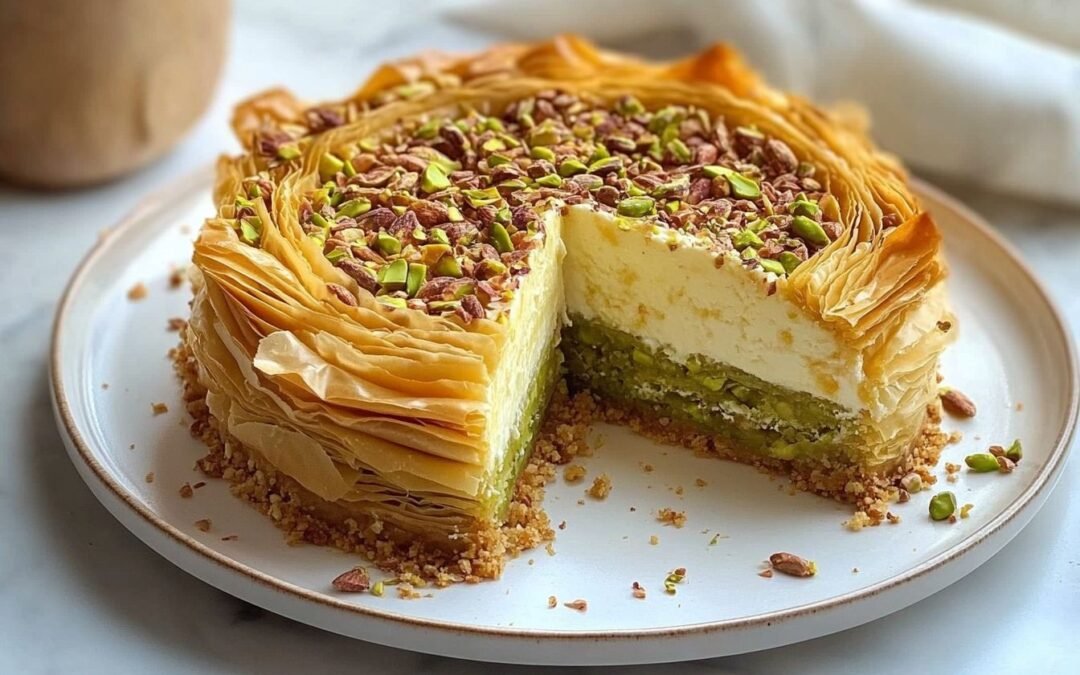
Kunafa with pistachio is a sweet and savory pastry that is made with layers of shredded phyllo dough, filled with a creamy pistachio mixture and drizzled with a sweet sugar syrup.
You will need kunafa dough and butter to make this delicious dessert. The cream filling pistachios, sugar, cream cheese, thick cream, and whipped cream. You will need sugar, water, and lemon juice to prepare the sugar syrup.
The combination of the crunchy kunafa dough, the creamy pistachio filling, and the sweet sugar syrup creates a perfect balance of flavors and textures. This dessert is perfect for special occasions or simply as a treat for yourself.
History of Kunafa
Origin
Kunafa has a rich history that spans across many cultures. Its exact origin is difficult to pinpoint, but it is believed to have originated in the Levant region of the Middle East.
One theory suggests that Kunafa was first created in Nablus during the Ottoman Empire. It was originally made with a cheese filling and served during Ramadan. Another theory suggests that it was invented in Egypt and brought to the Levant region by the Ottomans.
Evolution
Over time, kunafa has evolved to include a variety of fillings and toppings. In some regions, it is made with semolina dough instead of phyllo dough. In others, it is served with sweet syrup or honey.
One popular variation of Kunafa is the pistachio-filled version. This variation is believed to have originated in Lebanon, where it is often served with rosewater syrup. The pistachio filling adds a delicious nutty flavor and texture to the dessert.
Today, Kunafa is enjoyed worldwide and has even been adapted to include savory fillings. Its popularity continues to grow, and it is considered a staple dessert in many Middle Eastern and Mediterranean cultures.
What Is Kunafa?
Definition
Kunafa is a traditional Middle Eastern dessert made with shredded phyllo dough that is layered with a sweet cheese filling and soaked in sugar syrup. The dessert is typically topped with pistachios or other nuts and served warm.
Cultural Significance
Kunafa has a long history in Middle Eastern cuisine and is a popular dessert during Ramadan and other special occasions. It is often served to guests as a symbol of hospitality and generosity. Kunafa is also a beloved dessert in many Arab countries and is often enjoyed with a cup of strong Arabic coffee.
The dessert has many regional variations, with different countries and cultures putting their spin on the classic recipe. Some kunafa versions use a semolina-based dough instead of phyllo, while others incorporate flavors like rose water or orange blossom water into the sugar syrup.
Ingredients:
- 300 grams of kunafa dough
- 130 grams of melted butter
For the cream filling:
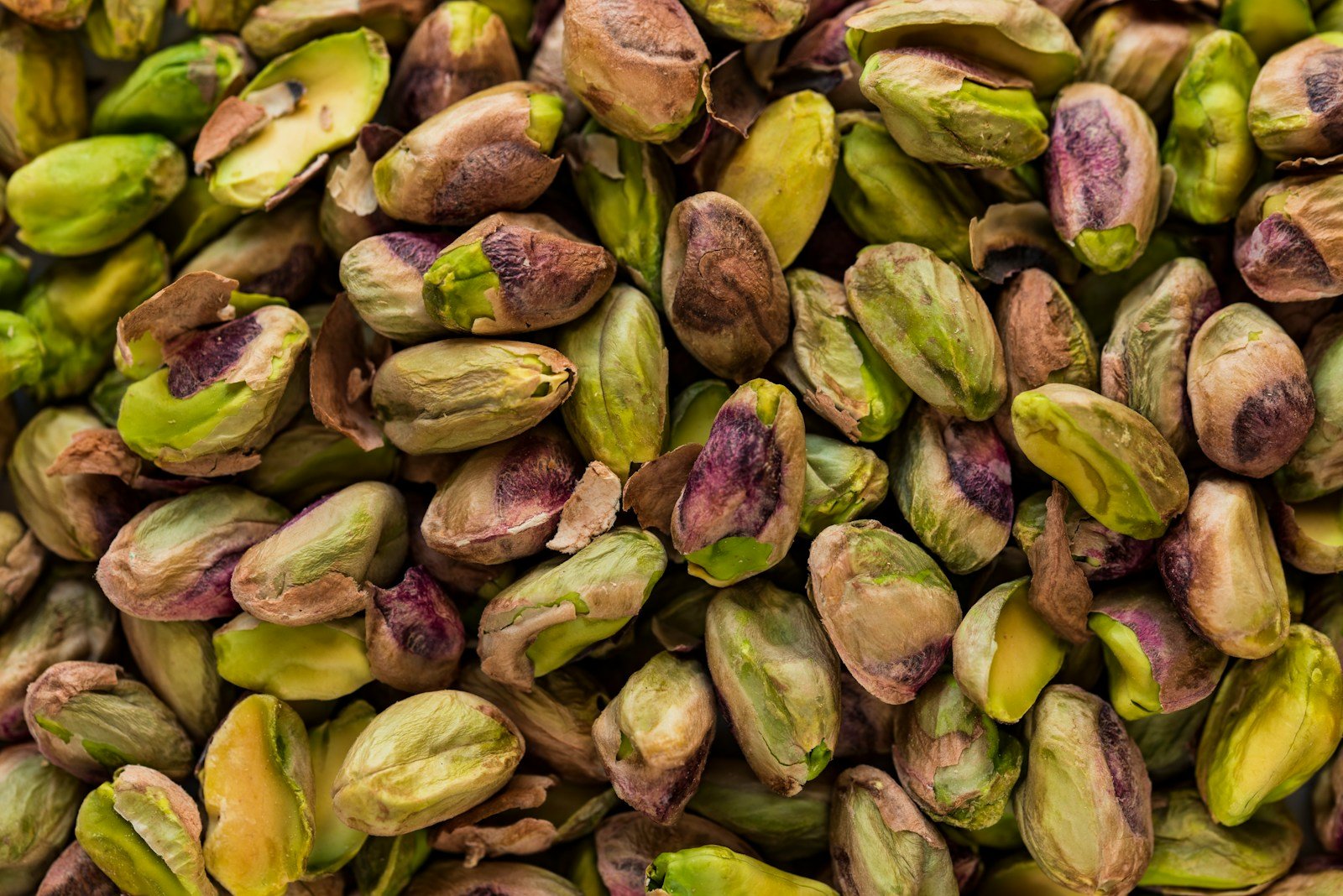
- 3/4th cup of pistachios
- 4 tablespoons of sugar
- 6 cubes of cream cheese
- 270 ml of thick cream
- 1 sachet of whipped cream
For the sugar syrup:
- 1 cup of sugar
- 1 & 1/2 cups of water
- 1 tablespoon of lemon juice
How to Make Kunafa with Pistachio?
- Start by powdering pistachios in a blender. Once they are finely ground, add all the other ingredients and blend everything until it becomes a smooth mixture. Then, chill it in the fridge until use.
- Next, mix the kataifi and butter in a large bowl. Place the dough onto a greased mold and press it slightly. After that, pour the cream over the dough and cover it with more dough. Bake it in a preheated oven at 200 degrees for 20 to 25 minutes or until it turns golden and crisp.
- Once it’s out of the oven, let it cool for a few minutes before gently flipping it with a spoon and pouring the sugar syrup over it.
Accompaniments
I love to serve this kunafa with a side of hot, sweet tea. The tea helps to cut through the richness of the dessert and refreshes the palate.
Another great accompaniment is a scoop of vanilla ice cream. The coolness of the ice cream pairs perfectly with the warm, gooey kunafa.
For a more traditional Middle Eastern touch, serve the kunafa with a dollop of thick, creamy labneh. The tanginess of the labneh balances out the sweetness of the dessert and adds a nice contrast in texture.
Variations of Kunafa
Regional Variations
Kunafa is a dessert that varies from region to region. In Israel, kunafa is made with a white cheese called Nabulsi, while in Syria, it is made with ricotta cheese. In Lebanon, kunafa is served with a layer of ashta cream, while in Egypt, it is served with a layer of cream and nuts. However, in Turkey, kunafa is made with a crispy phyllo crust and a pistachio filling.
Modern Twists
In recent years, chefs have been experimenting with new ways to serve kunafa. Some have added chocolate or Nutella to the filling, while others have used different types of cheese, such as feta or goat cheese. Some have even turned kunafa into a savory dish by adding meat or vegetables to the filling.
One modern twist on kunafa is to serve it in a cup or cone, like an ice cream sundae. Another is to make kunafa rolls, which are easier to eat and can be served as a finger food at parties.
Storage and Preservation
Short-Term Storage
If you plan on consuming the kunafa within a day or two, you can store it at room temperature in an airtight container. However, it’s important to keep it away from direct sunlight and heat sources, as this can cause the pastry to become soggy.
Alternatively, you can store the kunafa in the refrigerator for up to three days. To do this, wrap it tightly in plastic wrap or aluminum foil and place it in an airtight container. Before serving, let it come to room temperature for about 15-20 minutes.
Freezing and Long-Term Storage
If you want to store the kunafa for a longer period, freezing is the way to go. To freeze, wrap the kunafa tightly in plastic wrap or aluminum foil and place it in an airtight container. Label the container with the date and freeze for up to three months.
When you’re ready to enjoy the kunafa, remove it from the freezer and let it thaw in the refrigerator overnight. Once it’s fully thawed, let it come to room temperature for about 15-20 minutes before serving.
Troubleshooting
Common Issues
- The kunafa is too dry: This can happen if you don’t use enough syrup or if you overbake the kunafa. To fix this, try adding more syrup or reducing the baking time.
- The kunafa is too soggy: This can happen if you use too much syrup or if you don’t let the kunafa cool before adding the syrup. To fix this, try reducing the amount of syrup or letting the kunafa cool for a few minutes before adding the syrup.
- The kunafa is too sweet: This can happen if you use too much sugar in the syrup or if you use sweetened pistachios. To fix this, try reducing the amount of sugar in the syrup or using unsweetened pistachios.
Solutions
If you encounter any of these issues, don’t worry! There are some easy solutions to fix them:
- Add more syrup: If your kunafa is too dry, try adding more syrup. You can also try brushing the kunafa with a mixture of honey and water for extra moisture.
- Reduce the syrup: If your kunafa is too soggy, try reducing the amount of syrup you use. You can also try baking the kunafa for a few extra minutes to help it dry out.
- Adjust the sugar: If your kunafa is too sweet, try reducing the amount of sugar in the syrup. You can also use unsweetened pistachios to help balance out the sweetness.
Conclusion
I hope you enjoyed reading about my experience with kunafa with pistachio. It’s a unique and delicious dessert that’s perfect for those who love sweet treats.
One thing I appreciated about this dessert is that it’s not overly sweet. The combination of the crispy pastry and the creamy cheese filling is perfectly balanced, and the addition of the pistachio topping adds a nice crunch and nutty flavor.
Overall, I highly recommend making kunafa with pistachio if you’re looking for a new dessert to add to your repertoire. It’s a crowd-pleaser and a great way to impress your guests at your next dinner party.
Did you know that this kunafa can be a great dessert after having Moussaka with Bechamel?
Get its recipe now (by clicking the image below):